Free Shipping on Orders $75+  •  GMP Certified  •  Made in the USA
HomeBlogIs Creatine Banned in Sports?
Safety

Is Creatine Banned in Sports?

By PureNutri-Care Editorial Team Updated Jun 23, 2026 8 min read
Creatine monohydrate gummies — not a banned substance in sports

Key Takeaways

If you compete — in college, at the Olympic level, or in any drug-tested league — one question matters before you take any supplement: will it get me in trouble? With creatine, the answer is reassuringly clear. Creatine is not banned in sports. It is not on the WADA Prohibited List, it is permitted by the Olympics and the NCAA, and it is allowed across the major professional leagues. It is simply a dietary supplement, found naturally in food and produced by your own body.

Let us go through the specific governing bodies, clear up the one rule that confuses people, and explain the contamination issue that actually deserves an athlete\'s attention.

Is creatine on the WADA banned list?

No. The World Anti-Doping Agency (WADA) maintains the Prohibited List used in Olympic and international competition, and creatine is not on it. WADA classifies creatine as a legal nutritional supplement, not a prohibited substance. Athletes subject to WADA testing can use creatine both in and out of competition without violating anti-doping rules.

This is not a loophole or a gray area — creatine has been studied for decades and is openly accepted by anti-doping authorities as a normal part of an athlete\'s nutrition, no different in principle from protein or carbohydrate.

Is creatine banned by the NCAA?

No, the NCAA does not ban creatine, and college athletes are permitted to use it. There is one detail that causes confusion: NCAA rules restrict the types of supplements that member schools can directly provide to their athletes. Muscle-building supplements like creatine fall into a category that institutions generally cannot hand out for free.

That is a rule about who pays and who distributes — not a ban on the substance. An NCAA athlete can buy and take creatine on their own; their school just may not be allowed to supply it. So if you read that "the NCAA limits creatine," this is what it means: a distribution restriction, not a prohibited-substance designation.

Is creatine allowed in the Olympics?

Yes. Because the Olympics follow the WADA Prohibited List, and creatine is not on that list, creatine is permitted for Olympic athletes. Many Olympic competitors across strength, sprint, and power sports openly use it as part of their training nutrition. It does not trigger a positive doping test.

What about professional leagues?

Governing bodyCreatine status
WADA / IOC (Olympics)Not banned — not on the Prohibited List
NCAA (college)Permitted to use; schools restricted from providing it
Major pro leaguesGenerally permitted as a legal dietary supplement
Tested powerlifting / weightliftingPermitted under WADA-aligned rules

Across the board, creatine is treated as a legal supplement. It is one of the most widely used products in elite sport precisely because it is both effective and permitted. For more on its legitimacy, see is creatine a steroid? (it is not).

So why do tested athletes still need to be careful?

Here is the part that matters most. The risk for a drug-tested athlete is not creatine — it is contamination. The supplement industry is not perfectly regulated, and some products have been found to contain trace amounts of banned substances that were never listed on the label, usually picked up during manufacturing in facilities that also handle other ingredients.

Anti-doping rules generally hold athletes strictly liable for whatever is in their system, even if it got there from a contaminated supplement they had no way of detecting. That means a clean substance like creatine can still cause a problem if the specific product you bought was made carelessly.

How to choose a safe creatine if you compete

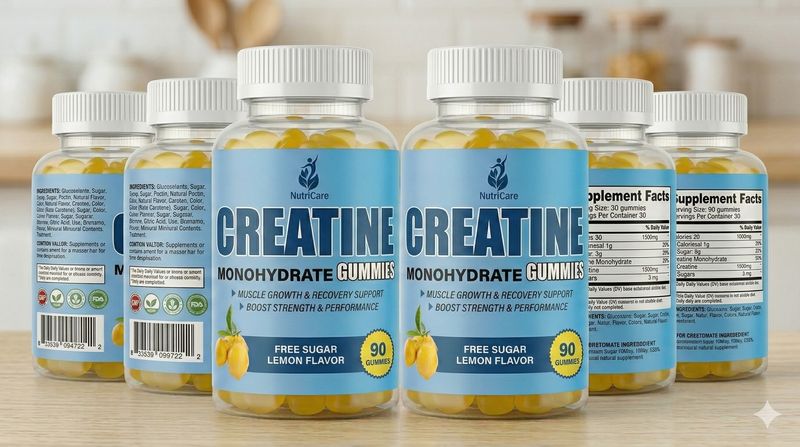
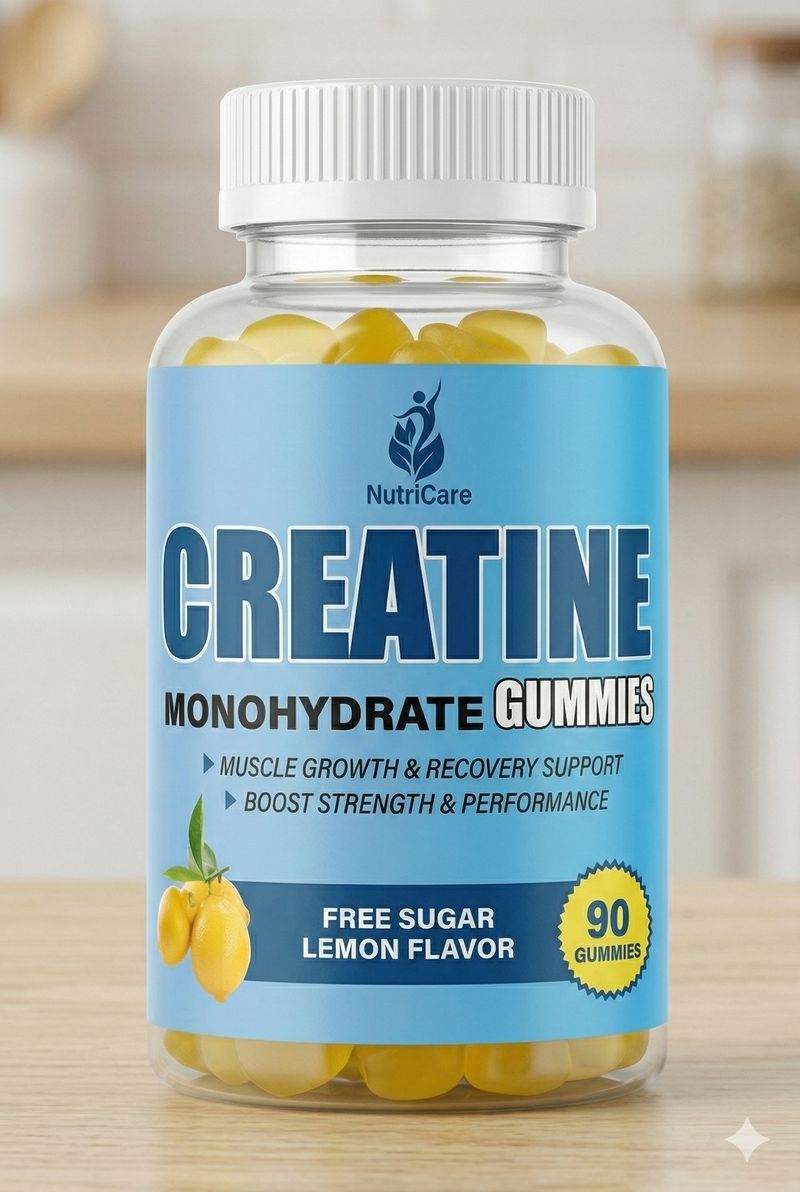
Our creatine monohydrate gummies are made in the USA, are sugar-free and vegan, and use creatine monohydrate as the single active ingredient — the kind of straightforward, single-purpose product that keeps things simple. Always confirm a product\'s current testing status against your specific sport\'s requirements before competing.

Is creatine considered "doping"?

No. Doping refers to the use of prohibited substances or methods to gain an unfair advantage. Creatine is a legal, naturally occurring nutrient that your body already makes and that you get from foods like red meat and fish. Using it is no more "doping" than eating a high-protein meal. Anti-doping authorities draw a clear line, and creatine sits firmly on the permitted side of it.

The bottom line

Creatine is not banned in sports. WADA, the Olympics, the NCAA, and major leagues all permit it as a legal dietary supplement — the only NCAA wrinkle is a rule about schools providing it, not athletes using it. The genuine concern for tested competitors is supplement contamination, not creatine itself. Choose a third-party-tested product from a reputable, USA-based manufacturer, stick to plain monohydrate, and you can take creatine with confidence.

NutriCare Creatine Monohydrate Gummies

The Delicious Way to Build Muscle — sugar-free, vegan, made in the USA. From $39.99.

See the gummies →

Frequently Asked Questions

Is creatine a banned substance in sports?
No. Creatine is not banned by WADA, the NCAA, the Olympics, or major professional leagues. It is a legal dietary supplement that occurs naturally in food and is produced by your own body, and it does not appear on the WADA Prohibited List.
Will creatine make me fail a drug test?
Creatine itself will not cause a positive drug test because it is not a prohibited substance. The real risk is contaminated supplements — products tainted with banned substances during manufacturing. Choosing third-party-tested products from reputable manufacturers reduces that risk.
Does the NCAA allow creatine?
Yes, NCAA athletes are permitted to use creatine. NCAA rules do restrict the kinds of supplements that member schools can directly provide to athletes, but that is a distribution rule — not a ban on athletes using creatine themselves.
Can Olympic athletes take creatine?
Yes. The Olympics follow the WADA Prohibited List, and since creatine is not on it, Olympic athletes can use creatine in and out of competition. Many elite power and strength athletes do.
Is creatine considered doping?
No. Doping involves prohibited substances or methods. Creatine is a legal, naturally occurring nutrient found in foods like red meat and fish and made by the body, so taking it is not considered doping by anti-doping authorities.

Sources & Further Reading

Disclaimer: This article is for general informational purposes only and is not medical advice. Dietary supplements are not intended to diagnose, treat, cure, or prevent any disease. Consult a qualified healthcare provider before starting any supplement, especially if you are pregnant, nursing, taking medication, or have a medical condition.