Creatine for Beginners: How to Start Simply
Key Takeaways
- Yes, beginners can take creatine — it is one of the most researched and best-tolerated supplements available for healthy adults.
- Keep it simple: choose creatine monohydrate, take a steady daily dose, and skip the complicated "loading phase" — beginners do not need it.
- Consistency beats everything. Creatine works by building up in your muscles over a few weeks, so a dose you take every day matters more than perfect timing.
- Gummies are the easiest on-ramp for new users — no powder, no shaker, no chalky taste — which makes the daily habit far easier to keep.
- Pick a sugar-free, third-party-tested product so your first experience with creatine is clean and straightforward.
If you are new to supplements, creatine can feel intimidating — loading phases, grams per kilogram, powders that clump in the bottom of a shaker. The good news: it is far simpler than the internet makes it sound. Creatine is safe and effective for healthy beginners, and you can start with one easy daily dose. This guide strips it down to exactly what a first-timer needs to know.
Should beginners take creatine?
For most healthy adults who train or stay active, yes. Creatine is one of the most studied sports-nutrition supplements in the world, with decades of research behind it. It helps your muscles regenerate ATP — the quick-burst energy your body uses for lifting, sprinting, and other short, powerful efforts. The result for many beginners is a little more strength, better workout volume, and improved recovery over time.
You do not need to be an advanced lifter to benefit. In fact, beginners often notice the effects clearly because they are still building their training base. If you are healthy and active, creatine is a reasonable, evidence-backed place to start.
Which type of creatine should a beginner buy?
Keep this part simple: creatine monohydrate. It is the form used in the overwhelming majority of studies, it is the most affordable, and no other form has reliably beaten it in research. Fancy "advanced" versions (HCl, buffered, ethyl ester, and so on) cost more and do not deliver clearly better results for the average person.
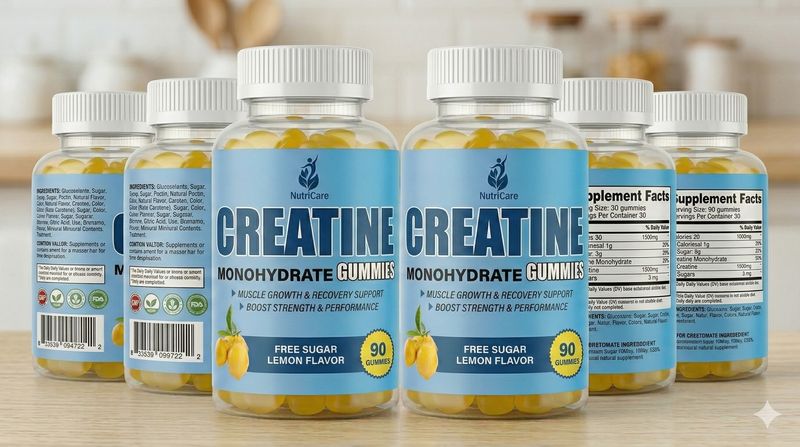
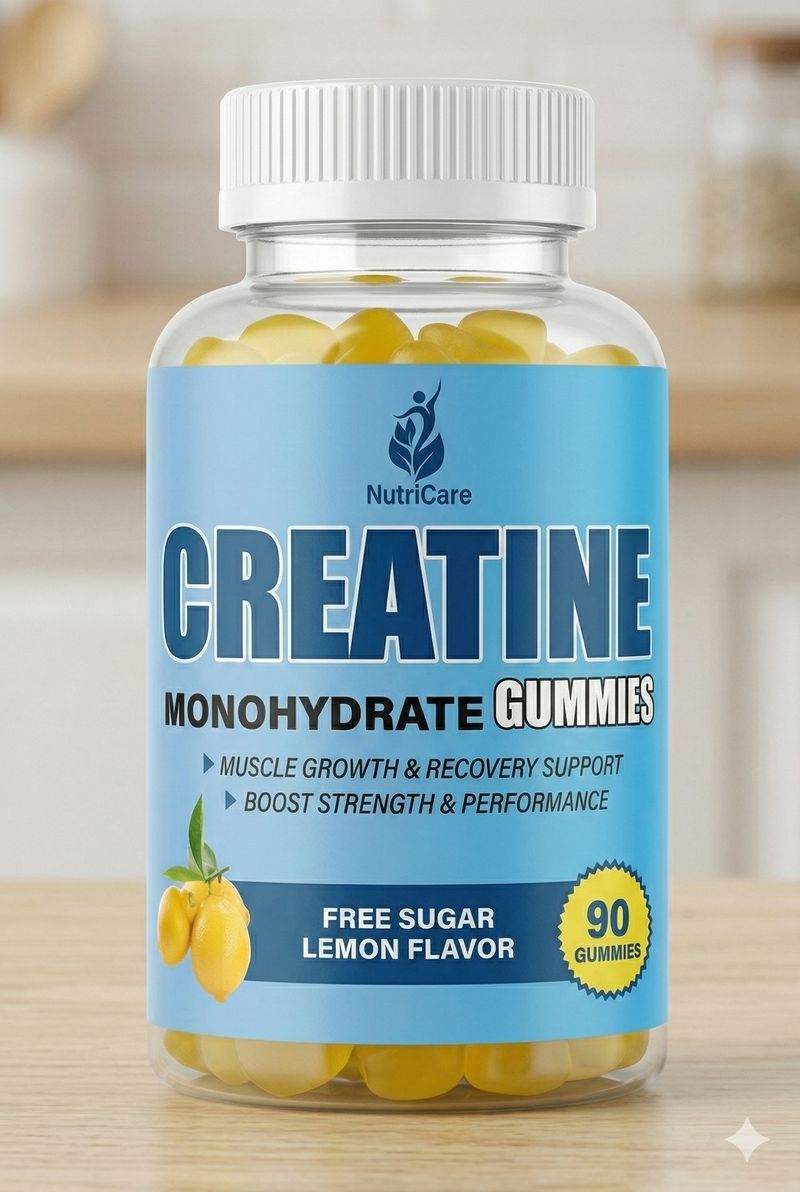
As a beginner, your only real decision is the format you will actually stick with. If you want the easiest possible start, our creatine monohydrate gummies give you the proven ingredient in a form you do not have to mix or measure.
Powder vs. gummies for new users
| Creatine Powder | Creatine Gummies | |
|---|---|---|
| Mixing required | Yes — shaker or water | No |
| Taste | Often chalky or gritty | Pleasant, chewable |
| Portability | Tub at home | Easy to carry |
| Easy to skip? | Easier to forget | Simple daily habit |
| Active ingredient | Creatine monohydrate | Creatine monohydrate |
The active ingredient is identical — the difference is friction. For a beginner, the format you will take every single day is the one that works.
Do beginners need a loading phase?
No. A "loading phase" means taking a large dose split across the day for the first week to saturate your muscles faster. It is optional, not required — and for beginners it usually creates more confusion (and sometimes mild stomach upset) than it is worth.
The simpler approach is to take a single steady daily dose. Your muscles still reach full saturation; it just takes a few weeks instead of about a week. For most new users, that trade-off is well worth the simplicity. If you are curious about the details either way, read our breakdown of the creatine loading phase.
How much creatine should a beginner take?
The standard daily maintenance dose studied in research is around 3–5 grams per day. With our gummies, that means taking the serving listed on the label each day — no math, no scale. The key is to take it consistently rather than chasing a perfect number.
- Pick a daily dose and stick to the label serving.
- Take it every day — including rest days.
- Stay hydrated, since creatine draws a little extra water into your muscles.
When is the best time to take it?
For beginners, the honest answer is: whenever you will remember. Creatine works by accumulating in your muscle tissue over time, so the daily habit matters far more than the clock. Morning with breakfast, pre-workout, or post-workout all work fine. Anchor it to something you already do every day. For a deeper look, see our guide on the best time to take creatine.
How long until a beginner sees results?
Be patient for the first few weeks. Without a loading phase, your muscles typically reach full creatine saturation in about three to four weeks of consistent daily use. Some people notice better workout endurance sooner; for others it is gradual. Either way, results come from steady use, not from a single great week. Our guide on how long until creatine works walks through the timeline.
What should a beginner look for in a creatine product?
Keep your first purchase clean and simple:
- Creatine monohydrate as the active ingredient.
- Sugar-free, so it fits low-sugar, keto, and most everyday diets.
- Third-party tested for quality and label accuracy.
- A format you will actually take daily — for most beginners, that is gummies.
Our creatine gummies are sugar-free, vegan, and made in the USA, which makes them an easy, low-stress way to start.
The bottom line
Starting creatine as a beginner does not need to be complicated. Choose creatine monohydrate, take one steady daily dose, skip the loading phase, and stay consistent for a few weeks. If you want the lowest-friction on-ramp, gummies remove the mixing and the guesswork so the habit sticks. That is genuinely all it takes to begin.
NutriCare Creatine Monohydrate Gummies
The Delicious Way to Build Muscle — sugar-free, vegan, made in the USA. From $39.99.
See the gummies →