Free Shipping on Orders $75+  •  GMP Certified  •  Made in the USA
HomeBlogWhat Is the Best Time to Take Creatine?
Daily Routine

What Is the Best Time to Take Creatine?

By PureNutri-Care Editorial Team Updated Jun 23, 2026 7 min read
Sugar-free creatine gummies for any time of day

Key Takeaways

Ask the internet when to take creatine and you will get a dozen confident, contradictory answers. Here is the truth that cuts through it: the best time to take creatine is the time you will actually take it every single day. Creatine works by saturating your muscles over weeks of consistent use, so the daily habit matters far more than the exact hour on the clock. Let's go through each scenario so you can stop overthinking it.

Does timing really matter for creatine?

Only a little. Unlike a pre-workout stimulant that you feel right away, creatine does not work dose-by-dose. It accumulates in your muscle tissue, and once your muscles are fully saturated, your body draws on that reserve whenever you need quick energy. That means a dose at 8 a.m. and a dose at 8 p.m. both contribute to the same stored pool.

So while research has explored small timing advantages, the effect is minor compared to the big factor: taking it every day without fail. Nail consistency first, then optimize timing if you want.

Should you take creatine before or after a workout?

Both work, and the gap between them is small. Here is the honest comparison:

TimingThe ideaReality
Before workout"Top up" energy before trainingFine — but your muscles already hold a saturated reserve
After workoutReplenish alongside recovery nutritionSlightly favored in some research, but the edge is small
Around workoutEither side of trainingA reasonable, simple default on gym days

If you want a simple rule, take it around your workout and lean slightly toward post-workout. But do not stress if it is more convenient before — the difference will not make or break your results.

Does taking creatine with food help?

Taking creatine alongside a meal, especially one with some carbohydrate or protein, may modestly support uptake. It is a nice-to-have, not a requirement. If pairing it with breakfast or your post-workout meal helps you remember it, that is the real win.

When should you take creatine on rest days?

This is where people get confused — and the answer is reassuringly simple: keep taking it on rest days. On non-training days there is no workout to time around, so just pick any consistent moment. The goal on rest days is purely to maintain your muscle saturation, so morning, midday, or evening are all equally good.

Skipping creatine on rest days is a common mistake. Your muscles do not "know" it is a day off — they simply need a steady daily supply.

Is it better to take creatine in the morning or at night?

Either. There is no meaningful evidence that morning is better than night or vice versa for creatine's core benefits. Choose based on your routine:

The best choice is whichever you will repeat tomorrow, and the day after that.

How do you stay consistent with creatine?

Since consistency is the whole game, build a system that makes missing a dose hard:

  1. Anchor it to an existing habit — brushing your teeth, breakfast, or your workout bag.
  2. Keep it visible — on the counter, by the coffee, in your gym bag.
  3. Pick an easy format — the fewer steps, the better.

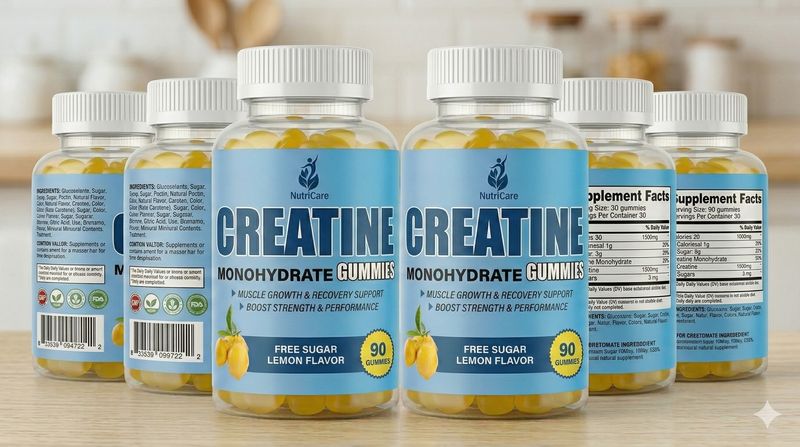
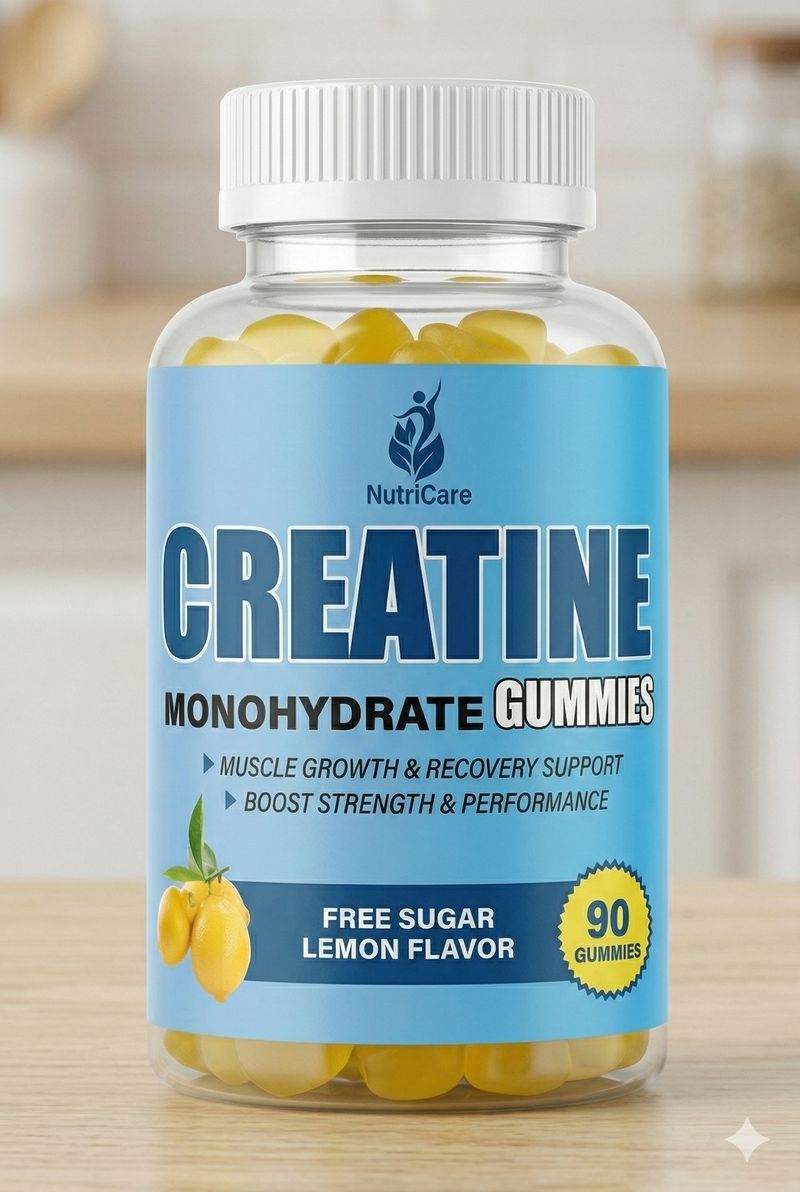
This is where gummies shine. There is no powder to scoop, no shaker to clean, and nothing to mix — you just take them. That low friction is exactly why our creatine monohydrate gummies make daily consistency so easy, whatever time you choose. New to creatine entirely? Start with our creatine for beginners guide.

How long until timing-consistent use pays off?

With a steady daily dose and no loading phase, your muscles typically reach full creatine saturation in about three to four weeks. After that, you maintain it with your regular daily dose. The takeaway: pick a time, lock it into your routine, and give it a few weeks. For the full timeline, see how long until creatine works.

The bottom line

Stop agonizing over the perfect creatine timing. On training days, take it around your workout if you like; on rest days, take it whenever; morning or night, both are fine. The only rule that truly matters is taking it every day. Choose a time that fits your life, pick an easy format like gummies, and stay consistent — that is what delivers results.

NutriCare Creatine Monohydrate Gummies

The Delicious Way to Build Muscle — sugar-free, vegan, made in the USA. From $39.99.

See the gummies →

Frequently Asked Questions

What is the best time to take creatine?
The best time is whenever you will take it consistently every day. Creatine works by saturating your muscles over weeks, so daily consistency matters far more than the exact time. Morning, pre-workout, post-workout, or evening all work.
Should I take creatine before or after my workout?
Both are effective and the difference is small. Some research slightly favors post-workout, often alongside a meal, but taking it before is also fine. A simple default is to take it around your workout.
Do I need to take creatine on rest days?
Yes. On rest days, take it at any consistent time to maintain your muscle saturation. Your muscles need a steady daily supply regardless of whether you train that day.
Is it better to take creatine in the morning or at night?
Neither is clearly better. Creatine is not a stimulant, so it will not affect sleep. Choose the time that fits your routine and that you can repeat every day.
Does taking creatine with food matter?
Taking creatine with a meal containing some carbohydrate or protein may modestly support uptake, but it is optional. Pairing it with a meal is mainly useful as a reminder to stay consistent.

Sources & Further Reading

Disclaimer: This article is for general informational purposes only and is not medical advice. Dietary supplements are not intended to diagnose, treat, cure, or prevent any disease. Consult a qualified healthcare provider before starting any supplement, especially if you are pregnant, nursing, taking medication, or have a medical condition.