Free Shipping on Orders $75+  •  GMP Certified  •  Made in the USA
HomeBlogIs Creatine a Steroid?
Myths

Is Creatine a Steroid?

By PureNutri-Care Editorial Team Updated Jun 23, 2026 6 min read
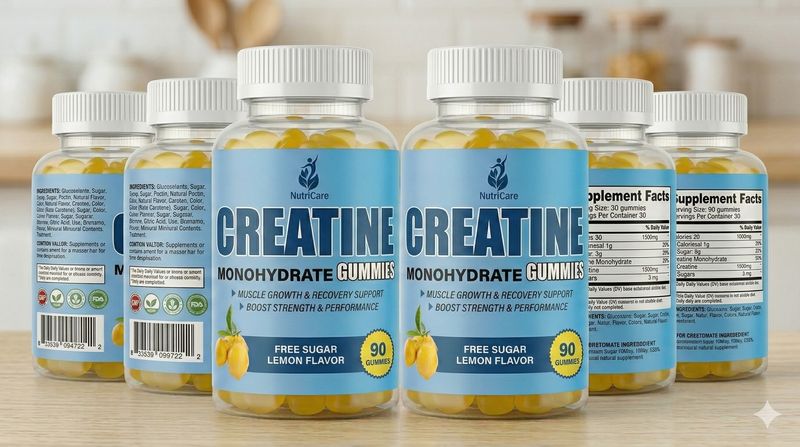
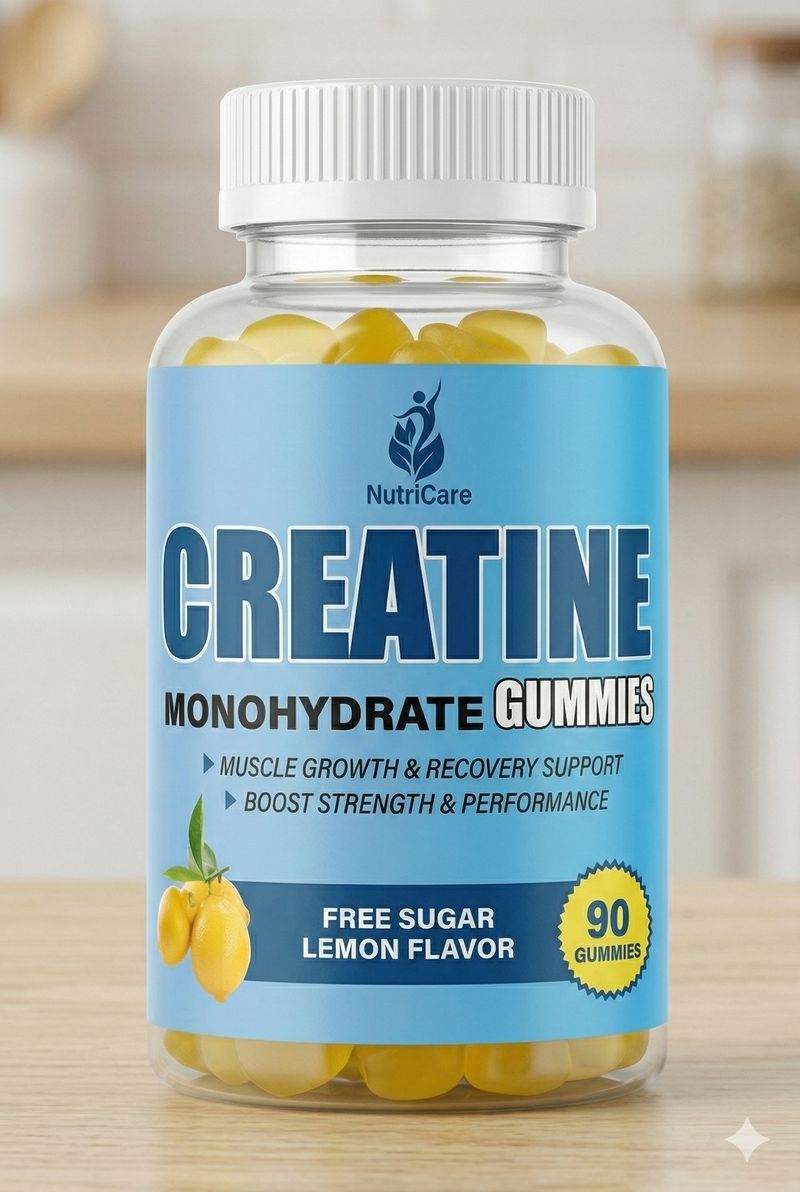
Sugar-free vegan creatine monohydrate gummies bottle

Key Takeaways

No, creatine is not a steroid. It is a natural substance your body makes from amino acids and that you also get from everyday foods like meat and fish. Steroids are synthetic hormones — creatine is not a hormone at all, and it works through a completely different mechanism.

The confusion is understandable: both get associated with muscle and gym culture. But scientifically and legally, they are not the same category of thing. Here is the clear breakdown.

What is creatine, exactly?

Creatine is a compound your body builds from three amino acids — arginine, glycine, and methionine — and stores mostly in your muscles. It is not foreign or synthetic; your liver and kidneys produce it naturally every day, and you eat it whenever you have red meat, fish, or poultry.

Inside your muscles, creatine helps regenerate ATP, the molecule your cells use for quick bursts of energy like lifting or sprinting. That is the whole story: it tops up your energy system. It does not act on your hormones.

What is a steroid, and why is it different?

Anabolic steroids are synthetic versions of testosterone — a hormone. They work by binding to hormone receptors and artificially boosting muscle-building signals throughout the body, which is why they carry serious health risks and are tightly regulated.

Creatine does none of that. It is not a hormone, it does not bind hormone receptors, and it does not alter your testosterone or estrogen levels. Comparing creatine to steroids is like comparing a glass of water to a prescription drug because both are liquids.

Creatine vs. steroids: a side-by-side

 CreatineAnabolic Steroids
What it isNatural compound from amino acidsSynthetic hormone (testosterone-based)
Made by your body?Yes, every dayNo
Found in food?Yes (meat, fish)No
How it worksHelps muscles regenerate energy (ATP)Alters hormone signaling
Affects hormones?NoYes, significantly
Legal statusLegal, sold over the counterControlled, often banned in sport
Safety recordStrong in healthy adultsSerious health risks

Is creatine legal and allowed in sports?

Yes. Creatine is legal, sold over the counter, and is not on the banned-substance lists of major sports authorities. Anabolic steroids, by contrast, are banned in competitive sport and restricted by law in many countries. The fact that creatine is freely available and permitted in competition underlines that it is a food-derived nutrient, not a performance-enhancing drug in the regulated sense.

Why do people confuse the two?

Both creatine and steroids are linked in popular culture to building muscle, so they get lumped together in conversation. The difference is how they get results. Steroids force hormonal changes. Creatine simply gives your muscles more readily available energy and helps you hold a little more water inside the muscle cells, so you can train slightly harder and recover well over time. The gains are real but gradual and natural — nothing like the dramatic, hormone-driven effects of steroids.

If you have heard other myths, you might also wonder whether creatine causes balding — we cover that in our article on whether creatine causes hair loss (the evidence says no).

Should anyone be cautious?

Creatine is well tolerated by most healthy adults, but it is still smart to check with a healthcare provider before starting if you have a kidney condition, are pregnant or nursing, are under 18, or take regular medications. For everyone else, creatine is one of the safest, best-studied supplements you can take.

The bottom line

Creatine is not a steroid. It is a natural, food-derived compound your body already makes, it does not touch your hormones, and it is legal and widely used. If you want the benefits without powders or sugary mixes, our sugar-free, vegan creatine gummies are an easy, USA-made way to take it daily.

NutriCare Creatine Monohydrate Gummies

The Delicious Way to Build Muscle — sugar-free, vegan, made in the USA. From $39.99.

See the gummies →

Frequently Asked Questions

Is creatine a steroid?
No. Creatine is a natural compound made from amino acids that your body produces and that you get from foods like meat and fish. Steroids are synthetic hormones — creatine is not a hormone and works through a completely different mechanism.
Does creatine affect your hormones or testosterone?
No. Creatine does not act on your endocrine system. It does not raise or lower your testosterone or other hormones. It simply helps your muscles regenerate energy (ATP).
Is creatine natural?
Yes. Your body makes creatine every day from amino acids, and you also consume it naturally in red meat, fish, and poultry. Creatine supplements provide the same compound in a convenient form.
Is creatine banned in sports?
No. Creatine is legal and is not on the banned-substance lists of major sports organizations. Anabolic steroids, on the other hand, are banned in competitive sport.
Is creatine safe to take?
Creatine has a strong safety record in healthy adults and is one of the most researched supplements available. People with kidney conditions, or who are pregnant or nursing, should check with a doctor first.

Sources & Further Reading

Disclaimer: This article is for general informational purposes only and is not medical advice. Dietary supplements are not intended to diagnose, treat, cure, or prevent any disease. Consult a qualified healthcare provider before starting any supplement, especially if you are pregnant, nursing, taking medication, or have a medical condition.