Free Shipping on Orders $75+  •  GMP Certified  •  Made in the USA
HomeBlogDoes Creatine Cause Hair Loss?
Creatine Safety

Does Creatine Cause Hair Loss?

By PureNutri-Care Editorial Team Updated Jun 23, 2026 8 min read
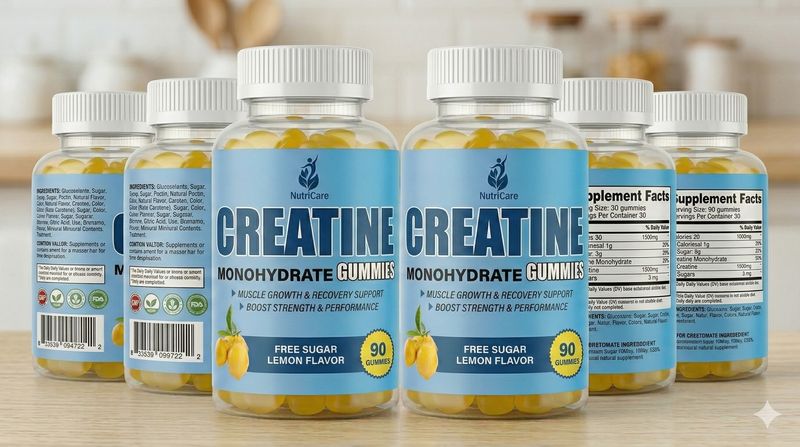
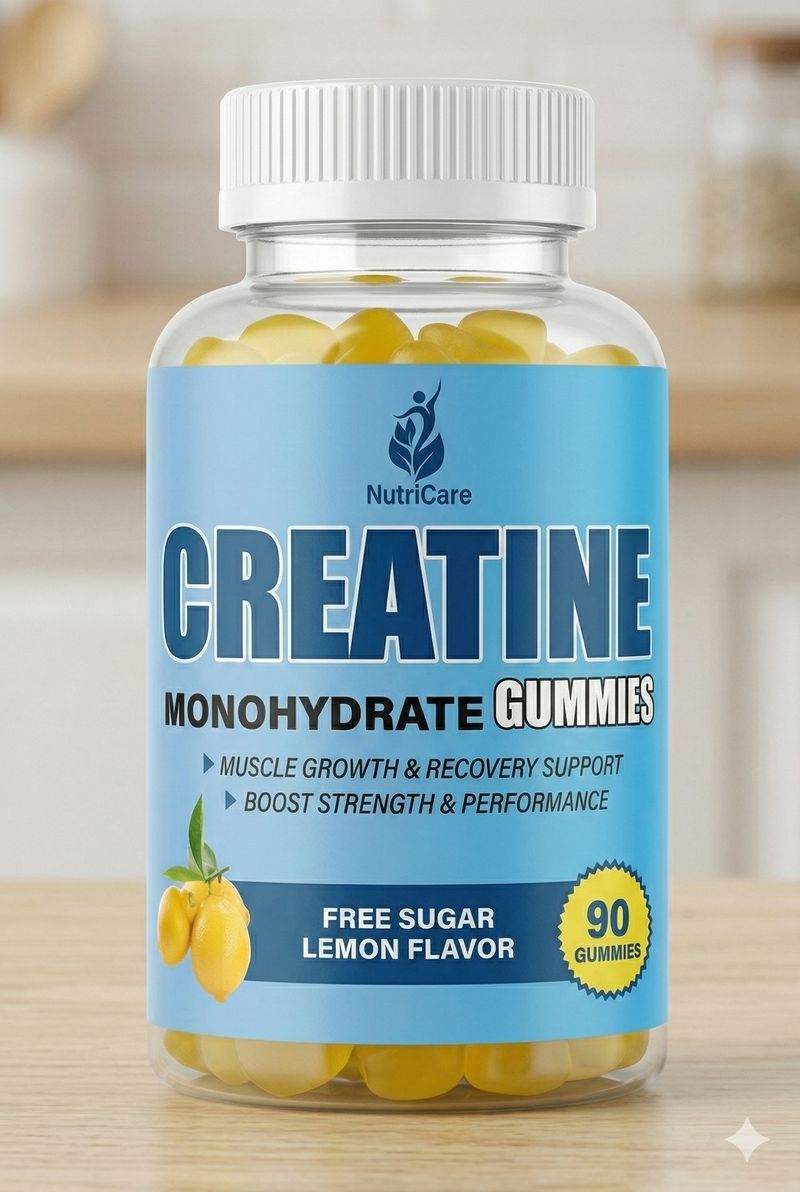
Sugar-free creatine monohydrate gummies bottle on a clean background

Key Takeaways

Short answer: no, there is no solid scientific evidence that creatine causes hair loss. The fear comes almost entirely from one small 2009 study that measured a hormone called DHT — not hair loss itself — and that result has never been repeated in the years since.

This myth has scared a lot of people away from a safe, well-researched supplement. Below is exactly where the worry came from, what the 2009 study actually showed, and what the broader body of research tells us.

Where did the creatine hair loss myth come from?

The entire idea rests on a single 2009 study of college rugby players. It did not measure hair loss at all — it measured a hormone marker — and no study since has linked creatine to actual thinning or shedding.

In that study, researchers gave young male rugby players creatine (a loading dose followed by a maintenance dose) over three weeks. They found that levels of dihydrotestosterone (DHT) rose by about 56% during the loading phase and stayed elevated. Because DHT is the hormone most associated with genetic (androgenetic) hair loss, people connected the dots and assumed creatine must cause balding.

But "DHT went up in a blood test" and "hair fell out" are two very different findings. The study never observed, measured, or reported any actual hair loss.

What is DHT and how does it relate to hair loss?

DHT is a potent form of testosterone. In people who are genetically sensitive to it, DHT gradually shrinks hair follicles on the scalp, leading to male or female pattern hair loss. The key word is genetically sensitive.

If you are not genetically predisposed to pattern baldness, elevated DHT does not make your hair fall out. DHT is a trigger only for follicles that are already vulnerable to it. Creatine does not create that genetic sensitivity — at most, the question is whether it might nudge DHT levels, and even that has not been reliably shown.

How strong is the evidence really?

It is weak. One study, never replicated, that measured a hormone rather than hair. Here is how the single piece of evidence stacks up against the limitations:

The claimWhat the evidence actually shows
"Creatine causes hair loss"No study has ever measured or reported hair loss from creatine.
"Creatine raises DHT"One 2009 study found a DHT increase; it has not been replicated.
Sample sizeOnly about 20 young male athletes — small and narrow.
Baseline differenceThe creatine group already had lower DHT at the start, which can exaggerate a percentage change.
ReplicationFollow-up reviews have not confirmed a consistent DHT effect.

Major reviews of creatine research consistently report that creatine does not produce the side effects often attributed to it. When a finding cannot be reproduced, scientists treat it with caution — and that is exactly the case here.

Is creatine actually safe?

Yes. Creatine monohydrate is one of the most extensively studied dietary supplements in existence, with a strong safety record in healthy adults across decades of trials. The International Society of Sports Nutrition's position stand describes it as safe and effective when used appropriately.

Far from being risky, creatine is researched for benefits well beyond the gym — strength, recovery, and even cognitive support. If you want a practical primer on dosing and routine, see our guide on how to take creatine gummies. And if you have heard the other big myth, our breakdown of whether creatine is a steroid clears that up too (it is not).

Who should be cautious?

If you have a strong personal or family history of pattern baldness and you are genuinely worried, it is reasonable to talk to a dermatologist before starting any new supplement — not because creatine is proven to cause hair loss, but so you can make a fully informed choice. The same goes if you are managing a kidney condition, are pregnant or nursing, or take medications and want to be careful. For everyone else, the evidence simply does not support avoiding creatine out of hair-loss fear.

The bottom line

The creatine-hair-loss link is a myth built on a single, unreplicated study that measured a hormone, not hair. There is no direct evidence that creatine causes balding or thinning. For the vast majority of healthy adults, creatine remains one of the safest and best-supported supplements available. If convenience is what keeps you consistent, our sugar-free, vegan creatine gummies make a daily dose easy — no shaker, no powder, no clumps.

NutriCare Creatine Monohydrate Gummies

The Delicious Way to Build Muscle — sugar-free, vegan, made in the USA. From $39.99.

See the gummies →

Frequently Asked Questions

Does creatine really cause hair loss?
There is no direct scientific evidence that creatine causes hair loss. The concern comes from a single 2009 study that found increased DHT levels in athletes, but that study did not measure hair loss and has never been replicated.
Does creatine increase DHT?
One small 2009 study reported a rise in DHT during creatine supplementation, but it has not been reproduced by other research. The overall evidence that creatine meaningfully raises DHT is weak and inconsistent.
I have male pattern baldness in my family. Should I avoid creatine?
The evidence does not justify avoiding creatine over hair-loss fears. However, if you are genetically predisposed to pattern baldness and feel concerned, it is reasonable to discuss it with a dermatologist before starting any new supplement.
Will I lose hair if I take creatine and I am not genetically prone to balding?
DHT only triggers hair thinning in people who are genetically sensitive to it. If you are not predisposed to pattern hair loss, there is no plausible mechanism by which creatine would make your hair fall out.
Is creatine monohydrate safe overall?
Yes. Creatine monohydrate is one of the most researched supplements in the world and has a strong safety record in healthy adults. People with kidney disease, or who are pregnant or nursing, should check with a doctor first.

Sources & Further Reading

Disclaimer: This article is for general informational purposes only and is not medical advice. Dietary supplements are not intended to diagnose, treat, cure, or prevent any disease. Consult a qualified healthcare provider before starting any supplement, especially if you are pregnant, nursing, taking medication, or have a medical condition.