Does Creatine Affect Testosterone?
Key Takeaways
- In controlled studies, creatine does not meaningfully increase or decrease testosterone — total and free testosterone stay essentially unchanged.
- Creatine is not an anabolic steroid or a hormone; it works on your muscle energy system, not your endocrine system.
- The myth largely comes from one small study suggesting a rise in DHT, a testosterone-related hormone — but that result has not been reproduced.
- That same DHT study is the root of the creatine hair-loss myth, which the broader evidence does not support.
- Any strength gains you feel come from better workouts and recovery, not from creatine boosting your hormones.
Because creatine builds muscle and strength, a lot of people assume it must be doing something to their hormones — usually that it raises testosterone. The reality is more boring and more reassuring: creatine does not meaningfully change your testosterone in either direction, and the studies are fairly clear on this.
Let's go through what the research actually found, where the myth came from, and why this ties directly into the hair-loss rumor.
Does creatine increase testosterone?
No, not in any meaningful way. Multiple controlled studies have measured both total and free testosterone in people taking creatine versus a placebo, and the results consistently show no significant difference. Creatine is not a testosterone booster, and it should not be marketed as one.
This makes sense when you understand how creatine works. It operates inside your muscle cells, helping regenerate ATP for short, powerful efforts. That is an energy-system effect, not a hormonal one. Creatine simply does not act on the glands and signaling that control testosterone production.
Does creatine lower testosterone?
Also no. There is no credible evidence that creatine suppresses testosterone or harms your hormonal health. If you have heard either claim — that it boosts or that it tanks your testosterone — both overstate what creatine actually does. The honest summary is: creatine is essentially hormone-neutral.
Where did the testosterone myth come from?
The confusion traces back mostly to one small study in rugby players. It did not find a rise in testosterone itself — it reported an increase in dihydrotestosterone (DHT), a more potent hormone your body makes from testosterone. That single finding got amplified online into the broad claim that "creatine messes with your hormones."
The important caveat: that DHT result has not been reliably reproduced in later research, and even the original study did not show a change in testosterone levels themselves. One unreplicated finding is a weak foundation for a strong claim.
| Claim | What the evidence shows |
|---|---|
| Creatine raises testosterone | No meaningful change in studies |
| Creatine lowers testosterone | No evidence of suppression |
| Creatine raises DHT | One small study; not reproduced |
| Creatine is a steroid / hormone | False — it is an energy-system compound |
Is creatine a steroid?
No, and this is worth stating plainly. Creatine is a naturally occurring compound found in foods like meat and fish, and your body makes it too. It is not an anabolic steroid, not a prohormone, and not a hormone of any kind. It does not require a prescription and is not a banned substance. The muscle benefits come from improved training capacity, not from artificial hormone manipulation.
How creatine actually builds muscle
If it is not your hormones, what is doing the work? Creatine lets your muscles produce more energy during high-intensity efforts, so you can train a little harder — an extra rep, a bit more volume, faster recovery between sets. Over weeks, that added quality training stimulus is what drives strength and size. It also draws water into muscle cells, which can support a fuller look and the cellular environment for growth. None of this involves your testosterone.
The energy-system explanation
To be specific: your muscles store creatine as creatine phosphate, which they use to rapidly regenerate ATP during the first several seconds of an intense effort. More stored creatine means a slightly bigger, faster-recharging energy reserve for those efforts. That is a purely mechanical, metabolic advantage — it has nothing to do with signaling glands or raising hormone levels. The strength you feel is your energy system working better, not your testosterone climbing.
For the practical side of taking it, see our guide on how to take creatine gummies.
What about creatine and hair loss?
This is the same myth wearing a different hat. The hair-loss worry comes from that exact DHT study, because elevated DHT is associated with male-pattern baldness in people who are genetically prone to it. But the logic is shaky: the DHT finding was never reproduced, and no study has actually shown creatine causing hair loss directly.
So the chain — creatine, then more DHT, then balding — rests on a single unconfirmed link. We cover this in full in our article on whether creatine causes hair loss. The short version: the evidence does not support it.
Why the testosterone myth is so sticky
It is worth pausing on why this particular myth refuses to die, because understanding that helps you evaluate the next supplement claim you see. Creatine produces a very visible result: people get stronger, their muscles look fuller, and they feel more capable in the gym. The human brain looks for a dramatic cause to match a dramatic effect, and "it boosts your testosterone" is a far more exciting story than "it lets your muscles make a little more energy during hard sets."
Supplement marketing has historically leaned into that instinct, sometimes implying hormonal effects to sell products. And on the flip side, the hair-loss fear spreads because anxiety travels faster than nuance — one alarming headline outruns a dozen careful studies. The result is a compound that is genuinely hormone-neutral getting talked about as if it were a hormone, in both hopeful and fearful directions.
What the broader research base looks like
The reassurance here does not rest on a single paper. Creatine is one of the most heavily studied sports supplements in existence, with decades of trials in athletes and everyday people. Across that body of work, the hormonal picture is consistent: no reliable shift in testosterone, and no reproduced shift in DHT. When a substance has been examined this many times without a clear hormonal signal emerging, the absence of an effect becomes the most credible conclusion.
This is also why major health organizations describe creatine as safe and well tolerated for healthy adults rather than flagging it for hormonal risk. The weight of evidence simply does not point to your endocrine system being involved.
Should you worry about long-term hormonal effects?
For healthy adults, there is no evidence that long-term creatine use disrupts hormones over months or years. Studies following people on creatine for extended periods have not turned up hormonal problems, and the compound's mechanism — working on muscle energy, not glands — makes such effects implausible in the first place. As always, if you have an existing hormonal or medical condition or take related medications, a quick check with your doctor is sensible, but that advice applies to almost any supplement, not specifically to creatine.
Does this apply to women too?
Yes. Creatine's hormone-neutral profile is one reason it is a sensible supplement for women as well as men. It will not masculinize, will not spike testosterone, and works the same way — supporting strength and recovery through the muscle energy system. Concerns about hormonal side effects simply are not borne out by the research for either sex.
How to spot supplement hormone myths in general
The creatine testosterone story is a useful template for evaluating other supplement claims you will inevitably run into. A few quick questions cut through most of the noise. Does the claim rest on a single study, or on many? Has the finding been reproduced by independent researchers? Is the proposed mechanism plausible given how the substance actually works in the body? And is the claim coming from a source trying to sell you something based on that exact promise?
Apply those filters to "creatine boosts testosterone" or "creatine causes baldness" and both fall apart quickly: one unreplicated DHT study, an implausible hormonal mechanism for an energy-system compound, and a lot of marketing or fear-driven amplification on top. The same questions will serve you well the next time a product promises a dramatic hormonal payoff.
The bottom line
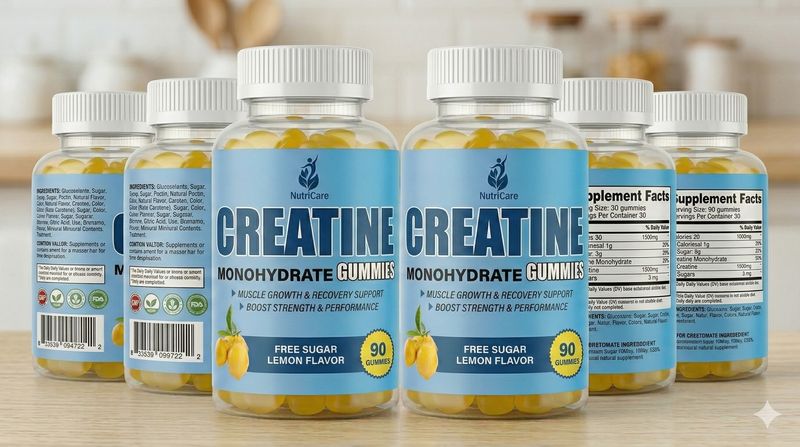
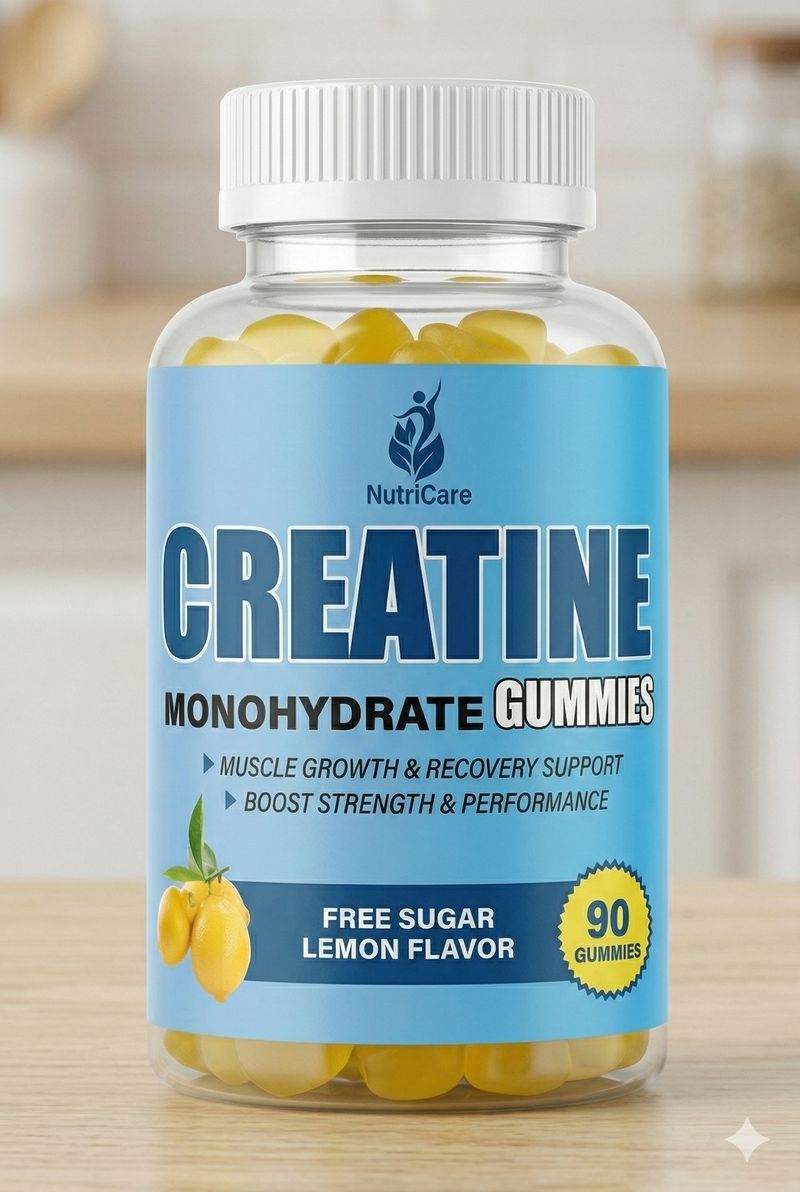
Creatine does not meaningfully affect testosterone, up or down. It is not a steroid and not a hormone — it works on your muscles' energy system. The testosterone and hair-loss myths both grow from one small, unreplicated DHT study, not from solid evidence. Take a daily dose of sugar-free, vegan creatine monohydrate gummies for the muscle and recovery benefits, and leave the hormone scare stories behind.
NutriCare Creatine Monohydrate Gummies
The Delicious Way to Build Muscle — sugar-free, vegan, made in the USA. From $39.99.
See the gummies →