Free Shipping on Orders $75+  •  GMP Certified  •  Made in the USA
HomeBlogIs Creatine Addictive?
Safety

Is Creatine Addictive?

By PureNutri-Care Editorial Team Updated Jun 23, 2026 7 min read
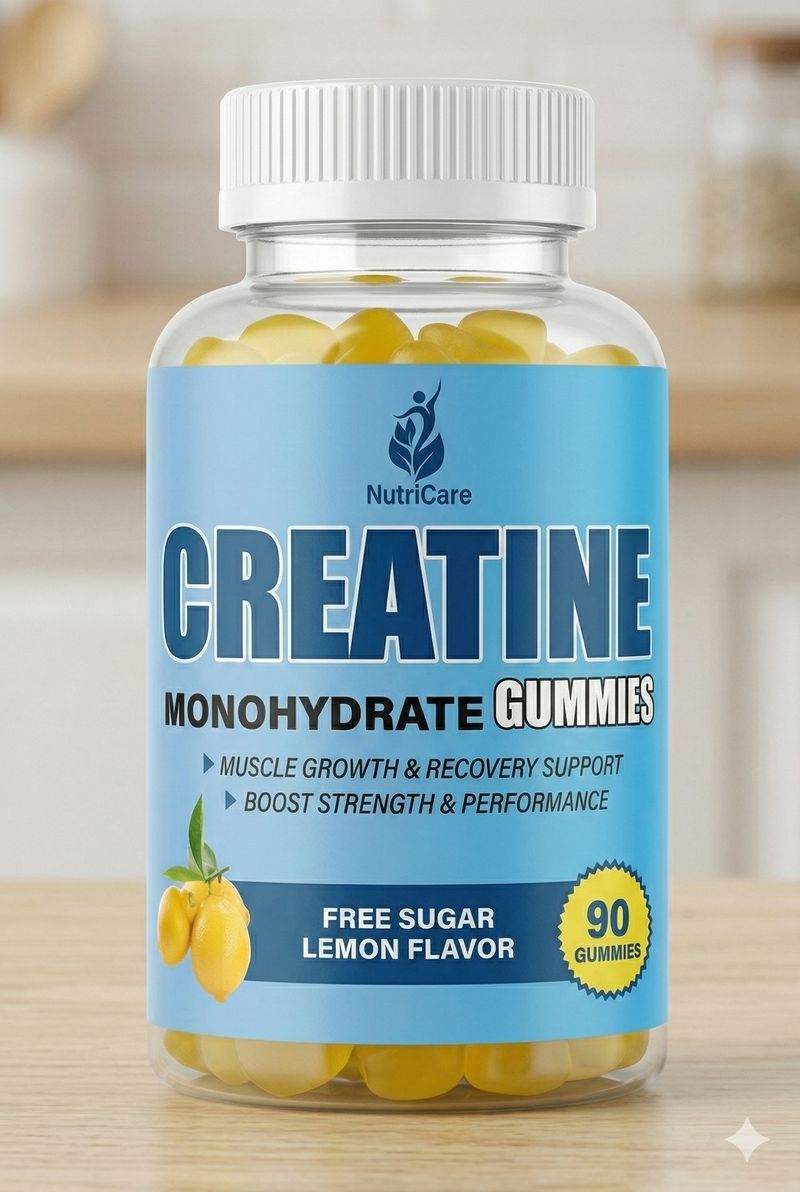
Creatine monohydrate gummies — not addictive and not habit-forming

Key Takeaways

It is a fair question to ask of anything you take every day: could I get hooked on this? With creatine, the science gives a clean, confident answer. Creatine is not addictive. It does not hijack the brain chemistry that drives addiction, it produces no withdrawal when you stop, and your own body manufactures it daily as a routine part of how you function. You are not getting addicted to creatine any more than you could get addicted to the protein in your dinner.

Let us unpack what addiction actually is, why creatine does not meet the definition, and what genuinely happens when you stop taking it.

What does it mean for something to be addictive?

True chemical addiction has specific hallmarks. An addictive substance typically acts on the brain\'s reward circuitry — especially the neurotransmitter dopamine — producing a compelling high, escalating cravings, tolerance (needing more for the same effect), and a withdrawal syndrome when you stop. Nicotine, alcohol, and opioids fit this pattern.

Creatine does none of this. It does not produce a high, it does not flood your reward system with dopamine, and it does not generate cravings. It simply tops up an energy substrate in your muscles. There is no psychoactive "hit" to chase, which is the very thing addiction is built on.

Does creatine affect dopamine or the brain\'s reward system?

This is the crux of the matter. Addictive drugs create dependency by artificially spiking dopamine in the brain\'s reward pathways, training you to crave the next dose. Creatine does not work this way. Its job is in your muscle cells, where it helps regenerate ATP for short, powerful efforts — a metabolic role, not a neurological reward one.

While creatine is present in the brain and is being researched for various roles in brain energy metabolism, it does not produce the euphoric, reward-driven response that defines addictive substances. There is no mechanism by which standard creatine supplementation creates chemical dependence. You can read more about how it actually works in our creatine for beginners guide.

Is there a creatine withdrawal?

No. When you stop taking creatine, you do not experience the cravings, anxiety, headaches, or physical distress that characterize withdrawal from addictive substances. What actually happens is gradual and harmless:

What happens when you stopIs it withdrawal?
Muscle creatine stores return to baseline over ~3–4 weeksNo — just a normal fade
The early "water weight" gain reversesNo — water leaving the muscle, not a symptom
Your body resumes making its usual ~1–2g/dayNo — completely normal physiology
You may notice slightly less peak performance over timeNo — loss of a benefit, not a withdrawal effect

None of these are withdrawal symptoms. They are simply the absence of an effect, which is a completely different thing from a dependency reaction.

Your body already makes creatine

Here is a fact that puts the whole question to rest: creatine is not a foreign chemical. Your liver, kidneys, and pancreas produce roughly 1–2 grams of it every single day, and you take in more from foods like red meat and fish. It is a natural part of your everyday metabolism. Supplementing simply tops up stores that your body is already using and replenishing on its own. You cannot become "addicted" to a nutrient your own cells manufacture as a matter of course.

Then why do people feel like they "can\'t stop"?

What sometimes gets mislabeled as addiction is really just not wanting to lose the benefits. If creatine helps you lift more, recover better, and feel stronger in the gym, it is natural to want to keep taking it. That is a rational preference for a good result — the same way someone might not want to stop a workout routine that is working. It is psychological motivation, not chemical dependency, and there is nothing unhealthy about it.

Because consistent daily use is what makes creatine effective, building it into a routine is actually the goal. Wanting to maintain that routine is a feature, not a sign of addiction.

Do you need to cycle off creatine?

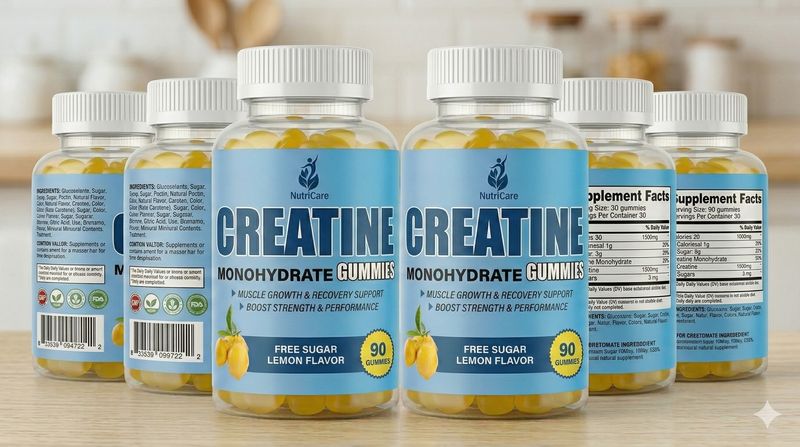
No. Since creatine is not addictive and does not cause dependence, there is no need to cycle off it to "reset" your body or avoid building tolerance — tolerance is not a thing with creatine. Research supports continuous long-term daily use in healthy adults. You can stop any time you like with no rebound effect; your stores will simply ease back to their natural baseline. Our creatine monohydrate gummies are designed for exactly this kind of simple, sustainable daily use — sugar-free, vegan, and made in the USA.

Who should still check with a doctor?

Creatine is well tolerated by most healthy adults, but it is sensible to talk to a healthcare provider before starting if you are pregnant or nursing, under 18, managing a kidney condition, or taking regular medication. This has nothing to do with addiction risk — it is just standard, prudent advice for any supplement.

The bottom line

Creatine is not addictive. It does not act on the brain\'s dopamine reward system, it causes no withdrawal, and your body produces its own supply every day. Stopping leads only to a gentle return to baseline, not a dependency reaction. If you find yourself wanting to keep taking it, that is just appreciation for results — exactly the kind of consistent habit that makes creatine work in the first place.

NutriCare Creatine Monohydrate Gummies

The Delicious Way to Build Muscle — sugar-free, vegan, made in the USA. From $39.99.

See the gummies →

Frequently Asked Questions

Is creatine addictive?
No. Creatine is not addictive. It does not act on the brain's dopamine reward system, produces no high or cravings, and causes no withdrawal when you stop. Your body already makes its own creatine every day, so it is a normal nutrient rather than an addictive drug.
Are there withdrawal symptoms if I stop taking creatine?
No. Stopping creatine does not cause withdrawal. Your muscle creatine stores simply return to baseline over about three to four weeks and any early water-weight gain reverses. These are the absence of a benefit, not dependency symptoms.
Does creatine affect dopamine or cause a high?
No. Creatine works mainly in your muscle cells to help regenerate energy, not in the brain's reward pathways. It does not flood dopamine or produce a euphoric high, which is why it has no addictive potential.
Do I need to cycle off creatine?
No. Creatine does not cause tolerance or dependence, so there is no need to cycle off it. Research supports continuous daily use in healthy adults, and you can stop at any time with no rebound effect.
Why do I feel like I do not want to stop creatine?
That is usually just wanting to keep the performance and recovery benefits — a rational preference, not a chemical addiction. Since consistent daily use is what makes creatine work, maintaining the habit is actually the goal.

Sources & Further Reading

Disclaimer: This article is for general informational purposes only and is not medical advice. Dietary supplements are not intended to diagnose, treat, cure, or prevent any disease. Consult a qualified healthcare provider before starting any supplement, especially if you are pregnant, nursing, taking medication, or have a medical condition.