Creatine for Men Over 40
Key Takeaways
- Creatine is one of the most valuable supplements for men over 40 and over 50 — it directly supports the strength and muscle that naturally decline with age.
- After 40, men lose muscle through sarcopenia at an accelerating rate. Creatine paired with resistance training is one of the best-evidenced ways to slow that loss.
- Creatine does not raise testosterone — but by supporting strength training, it helps you stay strong as natural testosterone gradually declines.
- Emerging research suggests creatine may support brain energy, memory, and mental sharpness, which is of growing interest for older adults.
- A simple 3–5 g daily dose, taken consistently, is all most men need. No loading phase required.
Somewhere after 40, things start to shift. Strength that once came easily takes more effort to hold onto, recovery slows, and the mirror tells a slightly different story. Much of that is a natural, well-documented part of aging — and creatine happens to target several pieces of it directly. For men over 40, and especially over 50, creatine is one of the most useful supplements you can take.
Here is why it matters more as you age, what it can and cannot do, and how to take it sensibly.
Why is creatine good for men over 40?
Creatine helps your muscles regenerate energy for strength and power. That is useful at any age, but it becomes more valuable after 40 because the body is working against you in three ways: muscle is harder to keep, recovery is slower, and natural hormone levels gradually decline. Creatine pushes back on the first two directly, and supports your ability to keep training, which helps with all three.
What is sarcopenia, and how does creatine help?
Sarcopenia is the age-related loss of muscle mass and strength. It typically begins in the 30s and accelerates after 40 and 50. Left unchecked, it affects strength, balance, metabolism, and independence later in life.
The two best tools against sarcopenia are resistance training and adequate protein — and creatine is one of the few supplements with solid evidence for amplifying the results of strength training in older adults. It does not replace lifting weights; it makes the lifting you do more productive.
| Age-related change | How creatine helps |
|---|---|
| Muscle loss (sarcopenia) | Supports strength training results, helping preserve muscle |
| Slower recovery | Helps muscles recover between training sessions |
| Declining strength & power | Improves output in short, powerful efforts |
| Brain energy & sharpness | Emerging research suggests possible cognitive benefits |
For a broader look at how creatine fits later life, see our guide on creatine for older adults.
Does creatine increase testosterone?
This is a common hope, and the honest answer is no — creatine does not meaningfully raise testosterone. It is not a hormone and does not act like one. You will see claims online suggesting otherwise; the research does not support them.
What creatine does do is more practical. As natural testosterone gradually declines with age, holding on to strength gets harder. Creatine helps you train more effectively and recover better, so you can keep building and maintaining muscle even as hormones shift. In other words, it works with your training rather than replacing your hormones.
Can creatine help the brain?
This is one of the most interesting newer areas of creatine research. Your brain, like your muscles, runs on energy — and creatine plays a role in cellular energy supply. Studies have explored creatine's potential to support memory, mental processing, and resilience to fatigue, with some of the most promising signals seen in older adults and people who are sleep-deprived.
The evidence here is still developing, so this is a "promising bonus," not a guaranteed benefit. But for a supplement you may already be taking for muscle, the possibility of cognitive support is a welcome extra.
How should a man over 40 take creatine?
Simplicity wins, especially for long-term consistency.
- Take 3–5 g of creatine monohydrate daily. A loading phase is optional and not necessary.
- Pair it with resistance training. Creatine shines when combined with regular strength work — that is where the muscle-preserving benefits come from.
- Stay consistent. Creatine builds up in your muscles over a few weeks, so daily intake matters more than timing.
- Stay hydrated and keep protein intake adequate to get the full benefit.
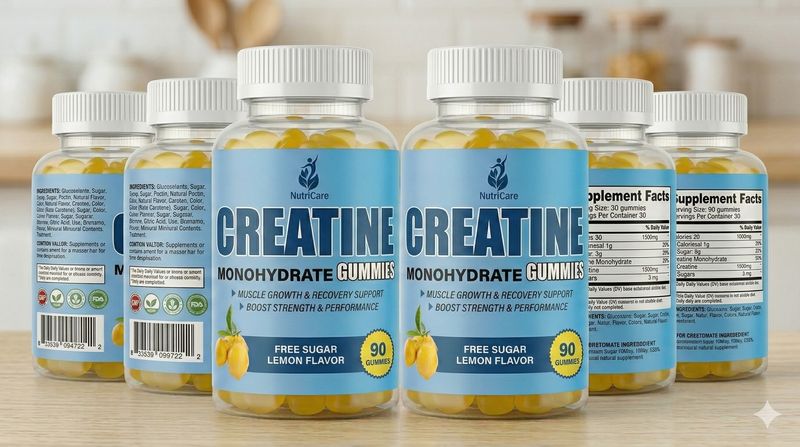
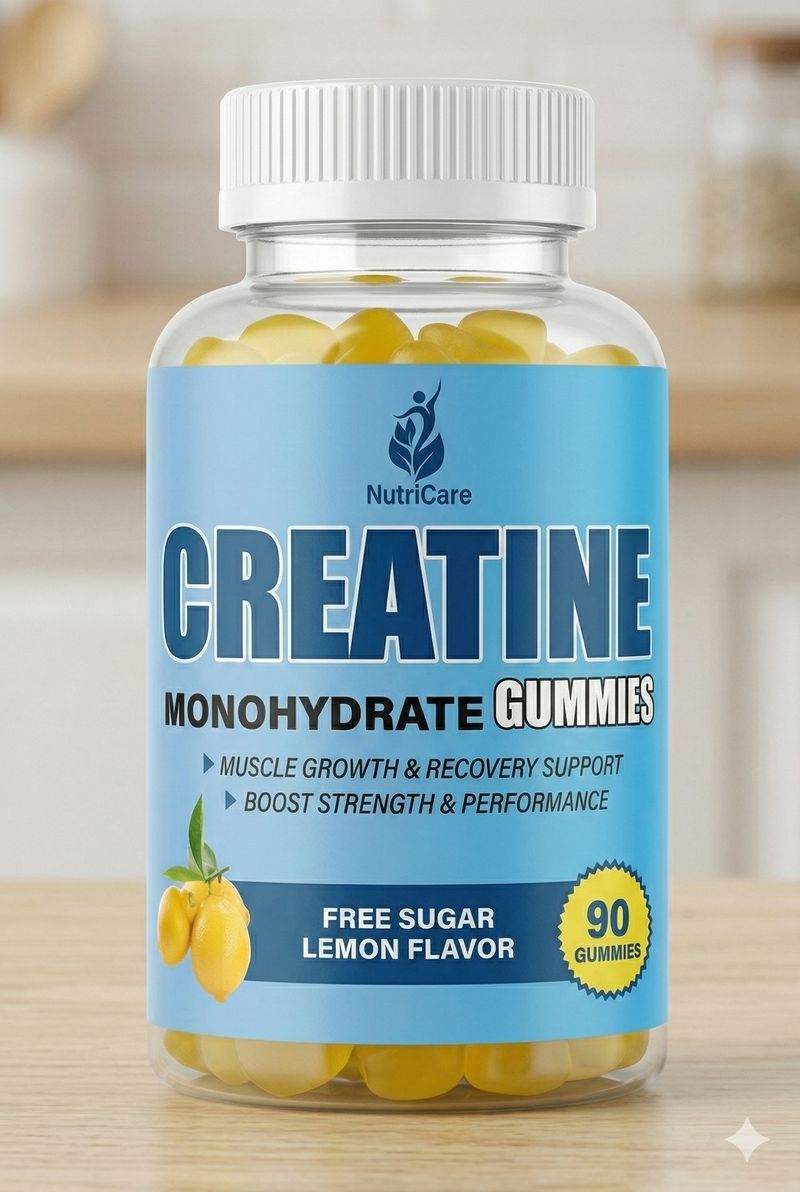
If you are completely new to it, start with creatine for beginners. Our creatine monohydrate gummies give you 5 g per four gummies, are sugar-free and vegan, and skip the powder and shaker — which makes the daily habit far easier to keep up over the years.
Is creatine safe for older men?
Creatine monohydrate has a strong long-term safety record in healthy adults, including older populations, and is one of the most researched supplements available. The main side effect is a small, mostly water-based weight increase early on.
That said, if you have a kidney condition, take regular medications, or manage a chronic health issue, talk to your doctor before starting — sensible advice for any man over 40 adding a new supplement.
The bottom line
For men over 40 and 50, creatine targets the exact things age works against: muscle, strength, recovery, and possibly even brain energy. It will not raise your testosterone, but paired with resistance training it helps you stay strong as the years add up. A simple 3–5 g daily dose, taken consistently, is one of the smartest, best-supported additions to an aging man's routine.
NutriCare Creatine Monohydrate Gummies
The Delicious Way to Build Muscle — sugar-free, vegan, made in the USA. From $39.99.
See the gummies →