Free Shipping on Orders $75+  •  GMP Certified  •  Made in the USA
HomeBlogIs Creatine Safe to Take Long Term?
Safety

Is Creatine Safe to Take Long Term?

By PureNutri-Care Editorial Team Updated Jun 23, 2026 7 min read
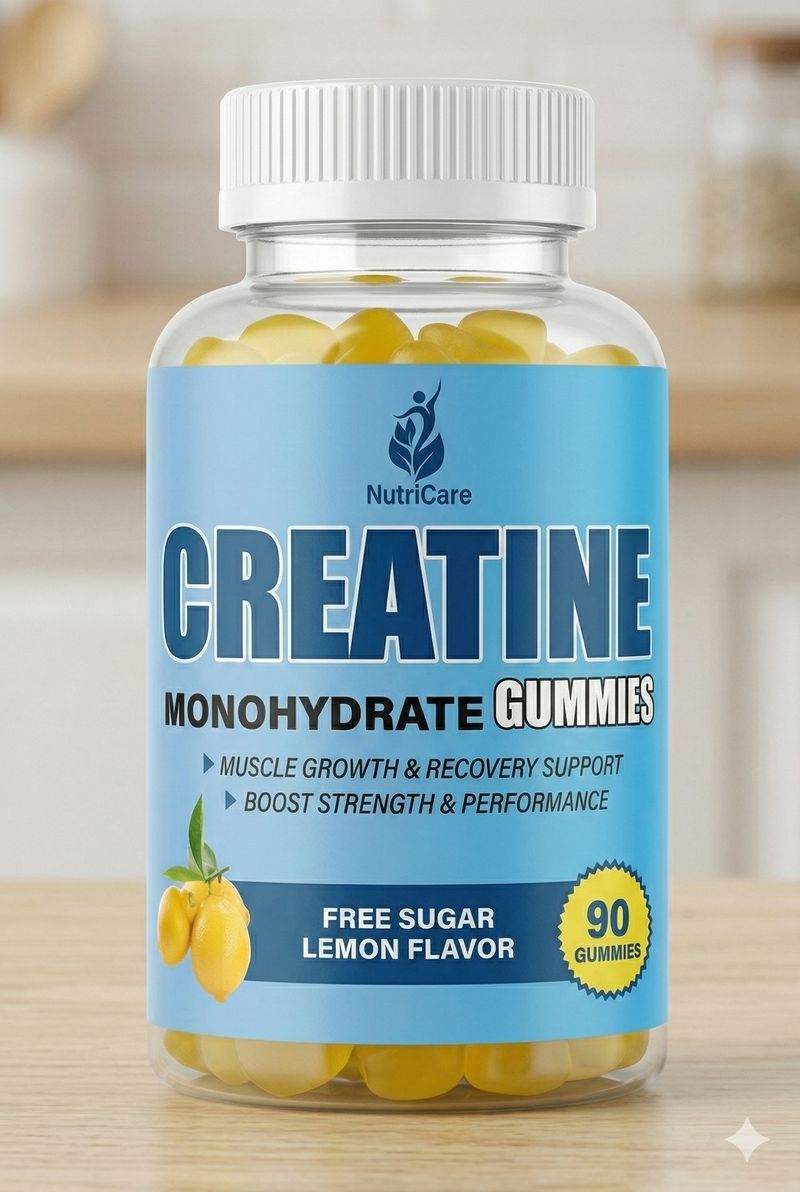
Sugar-free vegan creatine monohydrate gummies bottle

Key Takeaways

Creatine is one of the most popular supplements on the planet, and a lot of people take it for years. So the natural question is: is creatine safe to take long term? Based on the research, yes — for healthy adults, daily creatine use has an excellent long-term safety record, with studies following users for up to five years and finding no harmful effects at standard doses.

Here is what the longer-term data actually shows, whether you need to cycle, and the few situations where extra caution is wise.

Is it safe to take creatine every day for years?

Yes. For healthy adults, taking creatine daily over the long term is considered safe. Controlled studies have tracked people taking creatine for periods ranging from several months up to about five years, and they have not found the kidney damage, liver damage, or other serious problems that some people fear.

Creatine monohydrate is also the most-studied form, which is why safety conclusions about "creatine" generally rest on it. Major bodies like the International Society of Sports Nutrition state that long-term creatine supplementation is safe and well tolerated in healthy populations.

What does the long-term data actually show?

The longest controlled studies and reviews consistently point in the same direction.

Time frameWhat research reports
Weeks to monthsNo adverse effects on kidney or liver markers in healthy adults
Up to ~5 yearsNo evidence of harm at recommended doses; well tolerated
Across age groupsStudied in younger and older adults with a strong safety profile

It is worth noting that even very long-term studies use standard doses. "Safe long term" means safe at the researched amount — roughly 3–5 grams per day — not unlimited mega-dosing.

Do you need to cycle off creatine?

No, you do not need to cycle creatine. There is no evidence that taking breaks improves safety or effectiveness. Your body keeps making some creatine on its own regardless, and supplemental creatine simply keeps your muscle stores topped up. You can take it continuously.

If you do stop, nothing bad happens — your muscle creatine levels gradually return to baseline over a few weeks, and the early water weight fades. But there is no health reason that requires cycling.

How much should you take for long-term use?

Our creatine monohydrate gummies deliver 5g per 4 gummies, which keeps long-term dosing simple and consistent — no scooping, no guesswork.

Does long-term creatine harm your kidneys or liver?

In healthy people, the research does not show kidney or liver damage from long-term creatine at standard doses. Creatine can cause a small, harmless rise in creatinine (a blood marker), but that reflects creatine metabolism, not organ injury. We cover this in detail in our article on whether creatine is bad for your kidneys.

Who should be cautious about long-term creatine?

Creatine is safe for most healthy adults, but talk to a healthcare provider before long-term use if you:

  1. Have kidney disease or reduced kidney function.
  2. Have liver disease or another chronic medical condition.
  3. Are pregnant or nursing, or under 18.
  4. Take medications that could interact with supplements.

The caution here is about limited research in these specific groups — not proof of harm.

When should you see a doctor?

If you plan to take creatine for years and have any underlying health condition, a quick check-in with your doctor is wise — especially if you have kidney concerns. Routine bloodwork can confirm everything looks normal, and you should mention your creatine use so any creatinine readings are interpreted correctly.

The bottom line

For healthy adults, creatine is safe to take long term. Studies up to about five years show no harmful effects at standard doses, you do not need to cycle off it, and a steady 3–5g daily dose is all you need. Keep it consistent, stay hydrated, and check with your doctor first if you have kidney or other chronic conditions. Used this way, creatine is one of the safest long-term supplements available.

NutriCare Creatine Monohydrate Gummies

The Delicious Way to Build Muscle — sugar-free, vegan, made in the USA. From $39.99.

See the gummies →

Frequently Asked Questions

Is creatine safe to take long term?
Yes, for healthy adults. Studies lasting up to about five years have found no harmful effects from daily creatine at standard doses. It has one of the strongest long-term safety records of any supplement.
Can I take creatine every day forever?
Yes. For healthy adults there is no health reason that requires stopping. Taking 3 to 5 grams of creatine monohydrate daily, continuously, is well supported by research.
Do I need to cycle off creatine?
No. There is no evidence that cycling improves safety or results. You can take creatine continuously. If you stop, your muscle creatine levels simply return to baseline over a few weeks.
Does long-term creatine damage your kidneys or liver?
In healthy people, the research does not show kidney or liver damage from long-term creatine at standard doses. A small rise in the blood marker creatinine can occur, but it reflects creatine metabolism, not organ injury.
How much creatine should I take for long-term use?
A maintenance dose of about 3 to 5 grams of creatine monohydrate per day is the well-researched amount. A loading phase is optional and only speeds up muscle saturation. More than the maintenance dose offers no added benefit.

Sources & Further Reading

Disclaimer: This article is for general informational purposes only and is not medical advice. Dietary supplements are not intended to diagnose, treat, cure, or prevent any disease. Consult a qualified healthcare provider before starting any supplement, especially if you are pregnant, nursing, taking medication, or have a medical condition.