Free Shipping on Orders $75+  •  GMP Certified  •  Made in the USA
HomeBlogIs Creatine Good for Older Adults?
Healthy Aging

Is Creatine Good for Older Adults?

By PureNutri-Care Editorial Team Updated Jun 23, 2026 8 min read
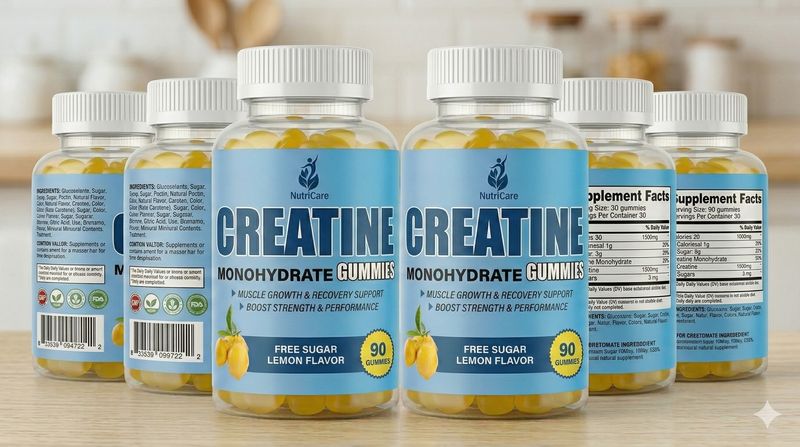
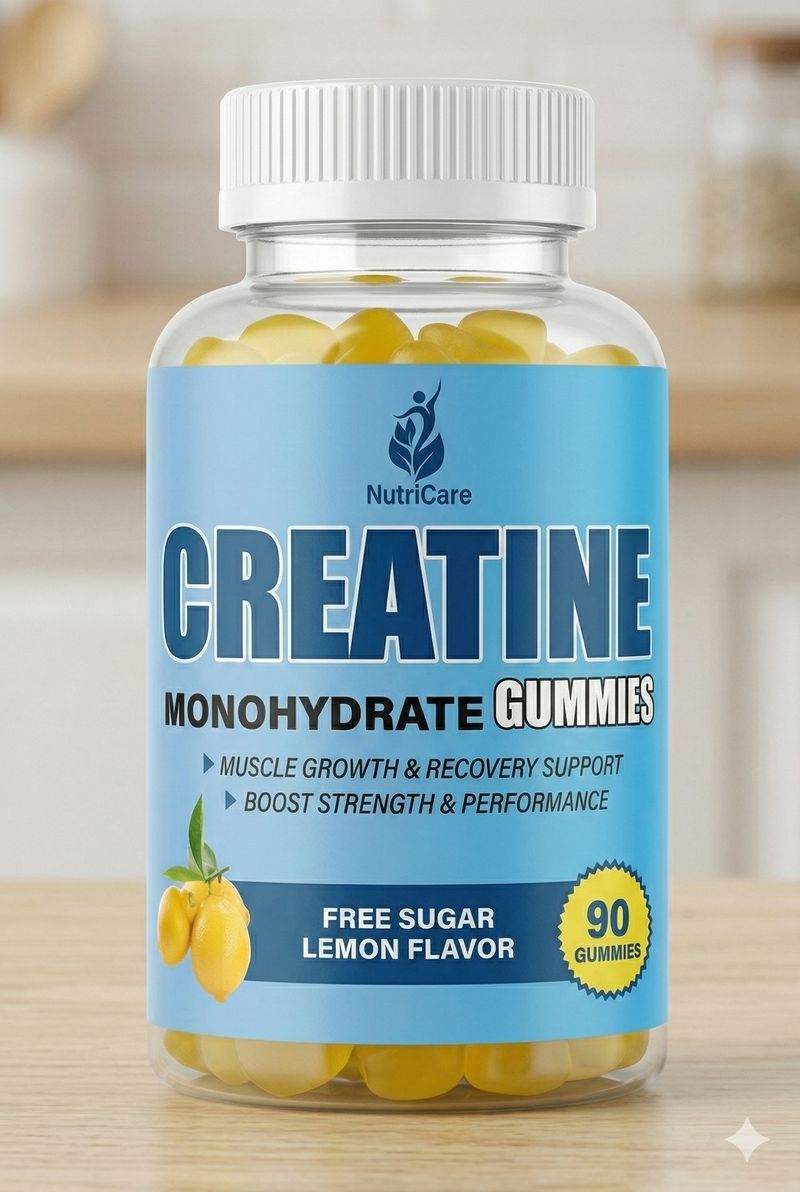
Easy-to-take creatine monohydrate gummies for older adults

Key Takeaways

Creatine has a reputation as a gym supplement for young lifters, but a growing body of research is changing that picture. For older adults, creatine — especially paired with regular strength activity — may help preserve muscle, support strength and balance, and even support the brain. Those are exactly the areas that protect independence with age. Here is a clear, practical look at what creatine can do for seniors and how to start safely.

Is creatine good for older adults?

For many healthy older adults, yes. As we age, we naturally lose muscle mass and strength — a process called sarcopenia — which affects mobility, balance, and the ability to do everyday tasks. Creatine helps muscle cells regenerate energy, and research suggests that combining creatine with resistance training can support muscle and strength gains more than training alone. That combination is the heart of why creatine has become a topic of interest in healthy-aging research.

Creatine is one of the most studied supplements available and has a strong safety record in healthy adults. For older adults specifically, the appeal is that it targets the very systems — muscle and strength — that tend to decline with age.

How does creatine help with age-related muscle loss?

Muscle does not just look good — it keeps you stable, mobile, and independent. Stronger legs and core make it easier to climb stairs, rise from a chair, and catch yourself if you stumble. Creatine supports the energy system your muscles use during effort, which can help you train a little harder and recover a little better. Over time, paired with resistance exercise, that can translate into preserved or improved strength.

The key phrase is "paired with exercise." Creatine is most effective for older adults when it accompanies regular strength activity — even simple resistance work like bands, light weights, or bodyweight movements.

What benefits does creatine offer older adults?

AreaWhy it matters with ageHow creatine may help
MuscleSarcopenia reduces strength & mobilitySupports strength gains alongside resistance training
Bone & strengthBone and joint support aids stabilityMay support outcomes when combined with exercise
Balance & fallsFalls are a major risk for seniorsStronger muscles support balance and stability
BrainCognitive sharpness declines with ageEmerging research suggests possible cognitive support
EnergyFatigue limits daily activitySupports cellular energy during effort

It is worth being honest about the research stage: muscle and strength benefits are the best supported, while bone and cognitive effects are promising but still emerging. Even so, the overall picture is encouraging for active older adults.

Creatine and the aging brain

Beyond muscle, researchers are studying whether creatine supports brain function, since the brain is an energy-hungry organ that also relies on creatine. Some studies suggest possible benefits for memory and mental clarity, which may be more noticeable in older adults. If this interests you, our article on whether creatine helps brain function and memory goes deeper.

How should older adults take creatine?

Simplicity wins, especially for building a daily habit:

For a complete walkthrough, see our guide on how to take creatine gummies.

Why are gummies a good fit for seniors?

Swallowing large capsules or stirring gritty powder into water can be a real barrier — sometimes enough to stop someone from taking a supplement at all. Easy-swallow, chewable gummies remove that friction entirely: no shaker, no chalky aftertaste, no measuring. That convenience is not a luxury here; it is what makes daily consistency realistic, and consistency is exactly what creatine requires to work.

Our creatine monohydrate gummies are sugar-free, vegan, and made in the USA — a simple daily option that is gentle and easy to take.

Should older adults check with a doctor first?

Yes — a brief conversation is the smart move. Creatine is well tolerated by most healthy adults, but older adults are more likely to take medications or manage chronic conditions. Talk to your doctor or pharmacist before starting if you have a kidney condition, take prescription medications, or have any concerns about interactions. This is especially important if you manage diabetes, blood pressure, or take diuretics. Your healthcare provider can confirm creatine fits your situation.

The bottom line

Creatine is no longer just a young athlete's supplement. For older adults, it may help preserve muscle, support strength and balance, and possibly support the brain — particularly when paired with regular resistance activity. Keep it simple with creatine monohydrate, take it daily, choose an easy-swallow gummy to keep the habit, and clear it with your doctor first. It is a low-effort, evidence-backed tool for aging strong.

NutriCare Creatine Monohydrate Gummies

The Delicious Way to Build Muscle — sugar-free, vegan, made in the USA. From $39.99.

See the gummies →

Frequently Asked Questions

Is creatine safe for older adults?
For most healthy older adults, creatine has a strong safety record at standard daily doses. Because seniors are more likely to take medications or have chronic conditions, it is best to check with a doctor or pharmacist before starting, especially with kidney concerns.
Can creatine help with muscle loss in seniors?
Research suggests creatine combined with resistance training can support muscle and strength better than training alone, which may help counter age-related muscle loss (sarcopenia). The benefit is strongest when paired with regular strength activity.
Does creatine help with balance and fall prevention?
Indirectly. Creatine supports muscle strength, and stronger legs and core help with balance and stability — both important for reducing fall risk. It works best alongside exercise that challenges balance and strength.
Do older adults need a creatine loading phase?
No. A loading phase is optional. A single steady daily dose reaches full muscle saturation over a few weeks and is simpler and gentler on the stomach — a good fit for most seniors.
Are gummies a good way for seniors to take creatine?
Yes. Easy-swallow, chewable gummies remove the chalky powder, mixing, and large capsules that can make supplements hard to take. That convenience helps build the daily habit that creatine relies on to work.

Sources & Further Reading

Disclaimer: This article is for general informational purposes only and is not medical advice. Dietary supplements are not intended to diagnose, treat, cure, or prevent any disease. Consult a qualified healthcare provider before starting any supplement, especially if you are pregnant, nursing, taking medication, or have a medical condition.