Does Creatine Help Brain Function and Memory?
Key Takeaways
- Creatine is not only a muscle supplement — your brain also uses creatine for energy, and research is exploring its cognitive effects.
- Benefits appear most noticeable under stress, such as sleep deprivation or mentally demanding tasks, when the brain's energy demands spike.
- Some studies suggest possible support for short-term memory, reasoning, and mental fatigue, though research is still developing.
- Groups with naturally lower creatine intake (like vegetarians and older adults) may notice cognitive effects more clearly.
- You take the same daily creatine monohydrate for brain and body — no special dose, and gummies make it easy to stay consistent.
Most people think of creatine as a gym supplement for bigger lifts. But there is a quieter, fascinating side to the research: your brain runs on energy too, it stores creatine, and studies suggest creatine may support cognition — particularly when your brain is under stress. If you have only ever considered creatine for workouts, this is the case for thinking bigger. Here is what the science actually says, without overpromising.
Does creatine help brain function?
It may. The brain is one of the most energy-hungry organs in the body, and it relies on the same energy currency — ATP — that creatine helps regenerate in muscle. Your brain even stores its own creatine. The logic researchers are testing is straightforward: if creatine helps cells produce energy more efficiently, and the brain is energy-intensive, supplementing creatine might support brain performance under demanding conditions.
The honest summary is that the muscle benefits of creatine are very well established, while the brain benefits are promising and still emerging. That said, the early findings are genuinely interesting, especially for certain situations and groups.
When are creatine's brain benefits most noticeable?
The pattern across studies is that creatine seems to help the brain most when it is stressed or short on energy — not necessarily during a calm, well-rested day. Think of it as a reserve that matters most when demand is high.
| Situation | Why the brain struggles | Where creatine may help |
|---|---|---|
| Sleep deprivation | Energy systems are taxed | May support performance when tired |
| Demanding mental tasks | High energy demand | May support reasoning and processing |
| Low dietary creatine | Less baseline reserve | Vegetarians may notice more effect |
| Aging | Cognitive sharpness declines | May support memory in older adults |
In other words, if your brain is already well-fueled and rested, you may notice little. Under stress, sleep loss, or with a naturally low intake, the effect may be clearer.
Can creatine improve memory and focus?
Some research points to modest support for short-term memory and reasoning, with the strongest signals in people who have lower baseline creatine — such as vegetarians and older adults. For focus specifically, the most consistent theme is that creatine may help you stay sharper when you are fatigued, rather than turning a rested mind into a supercharged one.
It is important to set expectations: creatine is not a stimulant and it is not a nootropic "smart drug." Do not expect a caffeine-like jolt. Think of it as a foundational support for your brain's energy supply that may help most when the tank is running low.
Creatine, mental fatigue, and mood
Mental fatigue — that foggy, drained feeling after a long day or a bad night's sleep — is partly an energy problem. Because creatine supports cellular energy, researchers are studying whether it can ease mental fatigue during prolonged cognitive effort. Early work on mood is also underway, though it is too soon to make firm claims. The broad theme is consistent: creatine appears to help the brain most when it is energy-stressed.
Who might notice brain benefits most?
Based on current research, the people most likely to notice cognitive effects include:
- Vegetarians and vegans, who get little dietary creatine from food and tend to have lower baseline stores.
- Older adults, whose cognitive performance and creatine levels can decline with age — see our guide on creatine for older adults.
- Sleep-deprived people, such as shift workers, new parents, or anyone in a demanding stretch.
- People under heavy cognitive load, like students during exams or professionals in intense work periods.
How do you take creatine for brain benefits?
Here is the convenient part: it is the same approach as taking creatine for muscle. There is no special "brain dose."
- Use creatine monohydrate — the form used in the research.
- Take a steady daily dose (around 3–5 grams, per the label).
- Be consistent — brain stores, like muscle stores, build up over weeks of daily use.
So a single daily habit covers both your training and your mind. If you want the practical walkthrough, see how to take creatine gummies.
Why gummies make daily brain support simple
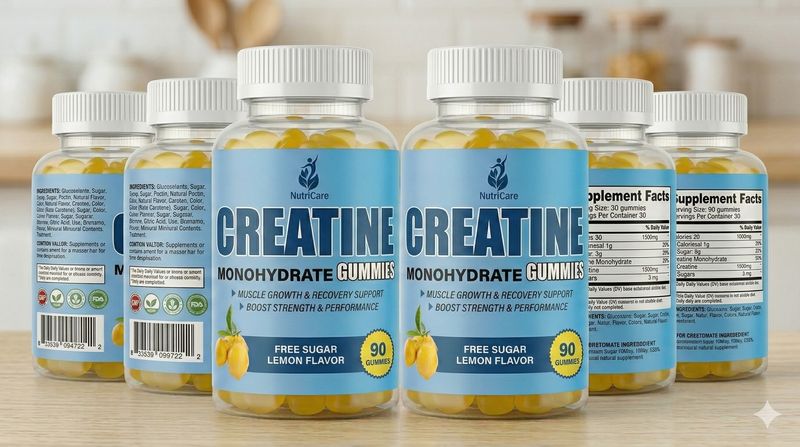
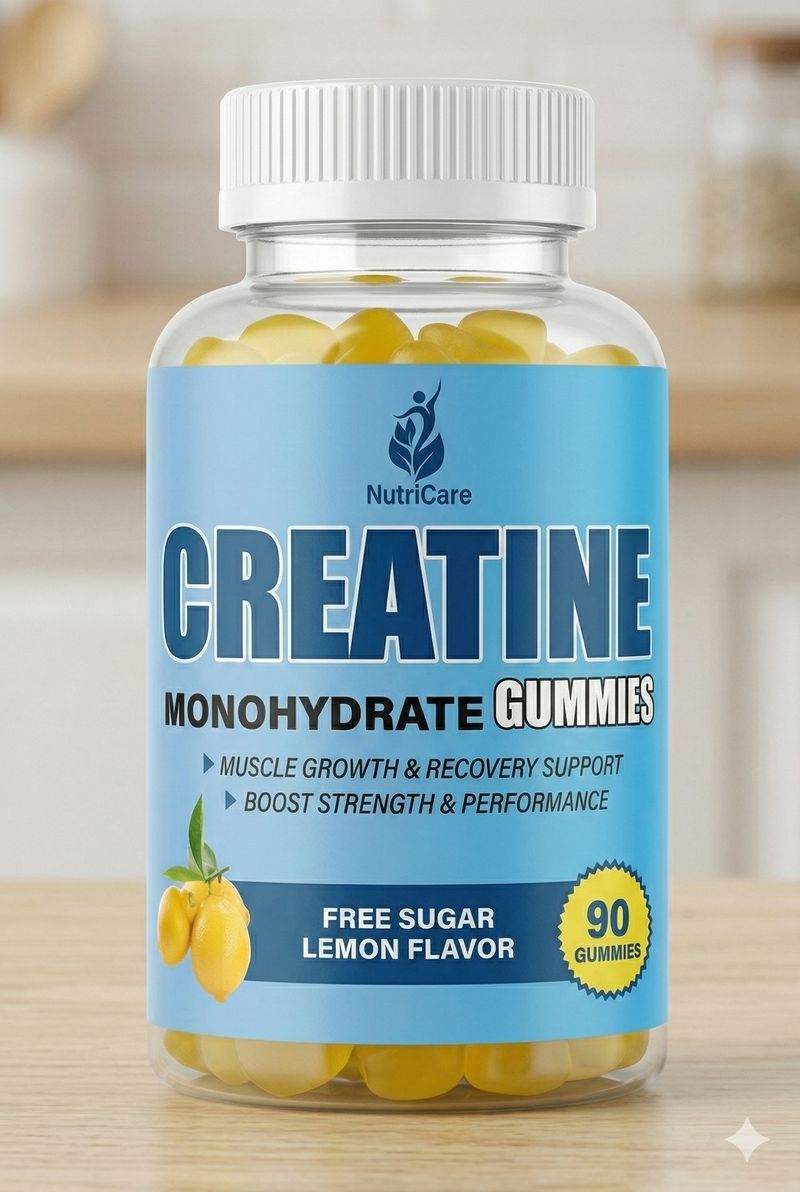
Because cognitive benefits depend on consistent daily intake just like muscle benefits, the easier it is to take, the better. Gummies remove the powder, the shaker, and the chalky taste, so the daily habit is effortless — which matters whether your goal is strength, sharper thinking, or both. Our creatine monohydrate gummies are sugar-free, vegan, and made in the USA, making them an easy daily option for body and brain.
The bottom line
Creatine's reputation as a muscle supplement undersells it. Your brain uses creatine for energy too, and research suggests it may support memory, reasoning, and mental fatigue — most noticeably under stress, sleep loss, or in people with low baseline stores like vegetarians and older adults. It is not a magic focus pill, but as a foundational daily support for both body and brain, a consistent dose of creatine monohydrate is a smart, low-effort choice.
NutriCare Creatine Monohydrate Gummies
The Delicious Way to Build Muscle — sugar-free, vegan, made in the USA. From $39.99.
See the gummies →