Free Shipping on Orders $75+  •  GMP Certified  •  Made in the USA
HomeBlogWhat Happens When You Stop Taking Creatine?
Basics

What Happens When You Stop Taking Creatine?

By PureNutri-Care Editorial Team Updated Jun 23, 2026 7 min read
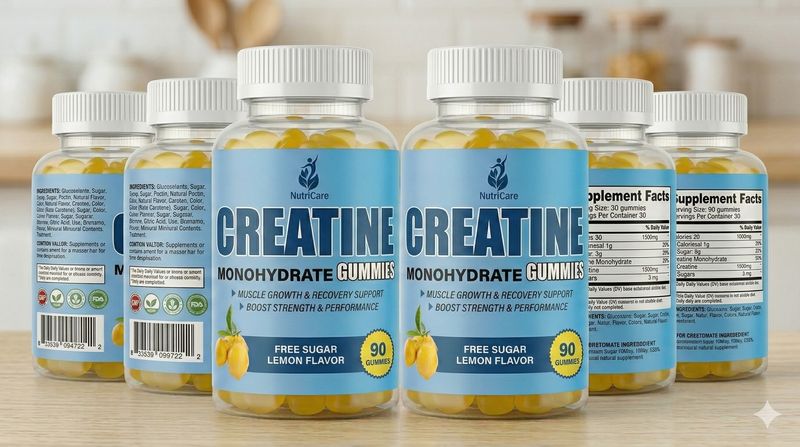
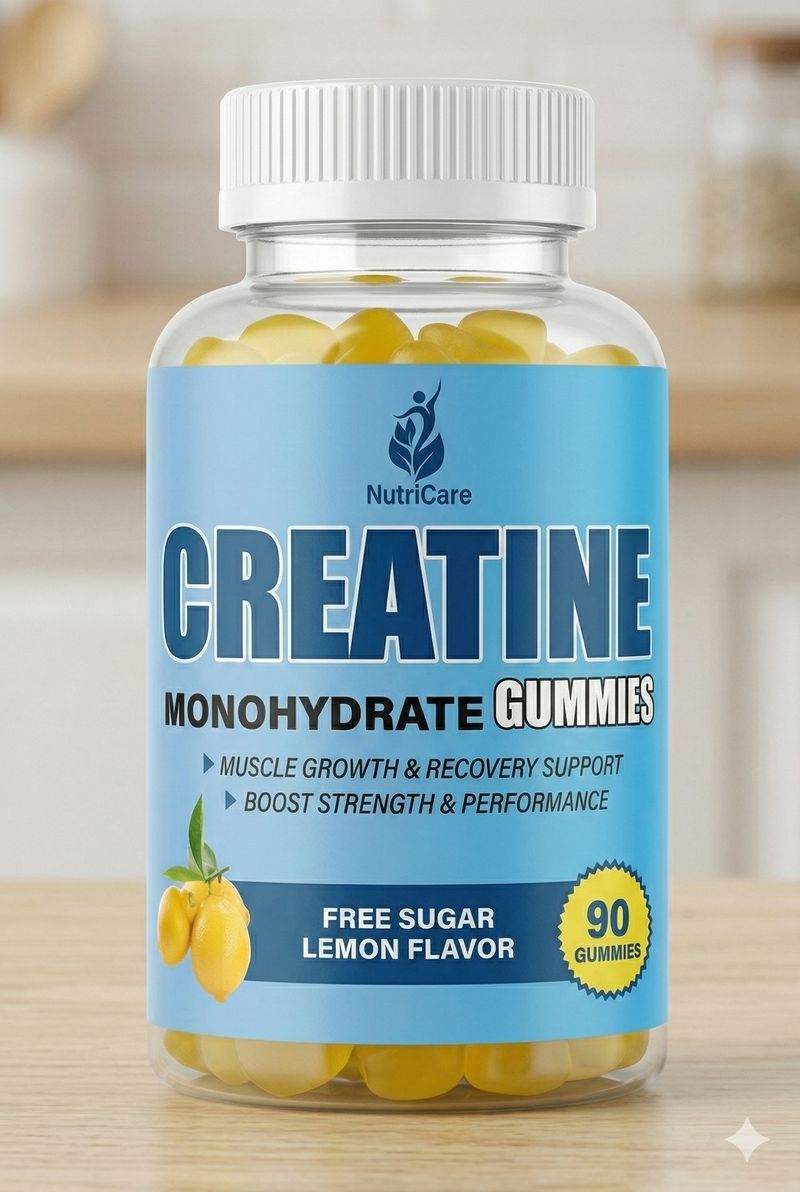
Bottle of sugar-free creatine monohydrate gummies

Key Takeaways

Whether you are taking a break, running out, or just curious, it is worth knowing what actually happens when you stop creatine. The honest answer is reassuring: you lose a little water weight over a few weeks, your muscle creatine returns to its natural baseline, and that's essentially it. There is no muscle wasting and no withdrawal.

Here is exactly what to expect, week by week, and why stopping is far less dramatic than the internet sometimes makes it sound.

What happens when you stop taking creatine?

When you stop, your body simply stops topping up the extra creatine in your muscles. Your stores gradually fall back to the level your body makes and gets from food — a process that takes roughly two to four weeks, not days. During that window you lose the water that creatine had drawn into your muscle cells, which shows up as a small drop on the scale.

Your body never stops producing creatine on its own. The liver, kidneys, and pancreas make about a gram a day, and you get more from foods like meat and fish. Supplementing just keeps your muscles fuller than diet alone usually allows; stopping returns you to your natural starting point.

Will I lose muscle if I stop creatine?

No — stopping creatine does not cause muscle loss. This is the biggest fear and the biggest misunderstanding. Creatine helps you train harder and recover better, which supports muscle growth over time, but the muscle tissue itself is built by your training and nutrition. Take creatine away and the muscle stays, as long as you keep lifting and eating enough protein.

What changes is the look. Because creatine pulls water into muscle, stopping makes muscles look slightly less full or "deflated." That is water leaving the cells, not muscle disappearing. The fibers are intact.

Is there a creatine withdrawal?

No. Creatine is not a stimulant and is not addictive. There are no documented withdrawal symptoms — no headaches, fatigue crashes, mood swings, or cravings when you stop. Your body's own creatine production continues normally; some early concern that supplementing might "shut down" natural production has not held up as a lasting problem, and levels return to baseline on their own.

The stop-creatine timeline

TimeframeWhat you may notice
Days 1–3Nothing noticeable. Muscle stores are still high.
Week 1A small drop in water weight begins; muscles may look slightly less full.
Weeks 2–4Stores return to baseline; you may feel slightly less peak strength on hard sets.
After ~4 weeksFully back to your natural baseline. Trained muscle remains intact.

Will my strength drop?

You may notice a small dip in top-end strength or in those last few reps on heavy sets, because creatine's job is to help regenerate energy for short, explosive efforts. For most everyday training the difference is modest. And it is fully reversible: start creatine again and your stores re-saturate within a couple of weeks, bringing that edge back. If you are wondering how quickly it returns, see how long until creatine works.

Do you ever need to stop?

For healthy adults, no — there is no requirement to take breaks. Long-term daily use of creatine monohydrate has a strong safety record, and you do not need to cycle off. We cover this in detail in do you need to cycle creatine and is creatine safe long term. People usually stop simply by choice — a break from supplements, travel, or budget — and that is perfectly fine.

Restarting later

Picking creatine back up is easy. There is no need to "re-load" with a big dose unless you want to saturate faster; a steady daily 3–5 grams will rebuild your stores within a few weeks. Our creatine gummies make restarting painless — 5g per 4 gummies, sugar-free, vegan, and made in the USA, with no powder to mix.

When to talk to a doctor

Stopping creatine is not a medical event and needs no supervision. But if you notice unusual or persistent symptoms — significant unexplained weakness, swelling, or changes in urination — those are worth raising with a healthcare provider regardless of supplements, since they point to issues unrelated to simply stopping creatine. If you have a kidney condition, are pregnant or nursing, or are under 18, check with a doctor before starting or stopping any supplement.

The bottom line

Stopping creatine is undramatic: a small, gradual loss of water weight over two to four weeks, slightly less peak strength, and muscles that look a touch less full. No muscle wasting, no withdrawal, no harm. And if you change your mind, restarting creatine monohydrate takes just a few weeks to get you right back where you were.

NutriCare Creatine Monohydrate Gummies

The Delicious Way to Build Muscle — sugar-free, vegan, made in the USA. From $39.99.

See the gummies →

Frequently Asked Questions

Will I lose muscle if I stop taking creatine?
No. Stopping creatine does not cause muscle loss. The muscle you built comes from training and nutrition and stays as long as you keep training. You only lose a little water weight as muscle creatine returns to baseline.
How much weight will I lose when I stop creatine?
Most people lose roughly one to three pounds over a few weeks, and it is water that creatine had stored inside muscle cells — not fat or muscle tissue.
Are there withdrawal symptoms from stopping creatine?
No. Creatine is not a stimulant and is not addictive. There are no documented withdrawal symptoms such as headaches, fatigue crashes, or cravings when you stop.
How long does creatine stay in your system after you stop?
Elevated muscle stores gradually return to your natural baseline over about two to four weeks. Your body continues making its own creatine the entire time.
Do I need to re-load creatine when I start again?
No. A loading phase is optional. A steady daily dose of 3 to 5 grams will rebuild your muscle stores within a few weeks whether or not you load.

Sources & Further Reading

Disclaimer: This article is for general informational purposes only and is not medical advice. Dietary supplements are not intended to diagnose, treat, cure, or prevent any disease. Consult a qualified healthcare provider before starting any supplement, especially if you are pregnant, nursing, taking medication, or have a medical condition.