Do You Need to Cycle Creatine?
Key Takeaways
- You do not need to cycle creatine. Continuous daily use is the approach supported by research and used in most long-term studies.
- Cycling (a few weeks on, a few weeks off) just lets your muscle stores drop back to baseline, then forces you to re-saturate — it works against your results.
- Your body does not build a tolerance to creatine, so there is no performance reason to take a break.
- Creatine has a strong long-term safety record in healthy adults at standard daily doses, so breaks are not needed for safety either.
- If you have a kidney condition, are pregnant or nursing, or are under 18, talk to a doctor before starting.
The idea that you must "cycle" creatine — take it for a few weeks, then stop for a few weeks — is one of the most common pieces of supplement advice, and one of the least supported. You do not need to cycle creatine. Continuous, everyday use is safe, effective, and is exactly how creatine is used in the research that established its benefits.
Let's unpack where the cycling idea came from, why it does not help, and what to do instead.
Do you need to cycle creatine?
No. There is no scientific reason healthy adults need to cycle creatine. The point of creatine is to keep your muscles saturated so the extra energy reserve is always available. Stopping every few weeks does the opposite — it lets your stores fall back toward baseline, then makes you spend time re-saturating when you start again. Continuous daily dosing keeps you at full benefit, all the time.
Cycling makes sense for some compounds where the body adapts, downregulates receptors, or builds tolerance. Creatine is not one of them. It is a naturally occurring compound your body already uses every day, and supplementing simply tops up the supply.
Where did the "cycle creatine" myth come from?
The cycling habit was borrowed from how people approach other supplements and stimulants, where on/off periods are used to manage tolerance or side effects. Some early users also assumed that long-term use must require breaks "to be safe," or worried that supplementing would permanently shut down the body's own creatine production. Neither concern has held up: natural production resumes normally after stopping, and long-term studies show no need for breaks.
Does your body build tolerance to creatine?
No. Creatine does not lose effectiveness over time, and you do not need higher and higher doses. Once your muscles are saturated — which takes a couple of weeks of daily dosing, or faster with a loading phase — a steady maintenance dose keeps them there. There is nothing to "reset" with a break.
Continuous use vs. cycling, side by side
| Continuous Daily Use | Cycling (On/Off) | |
|---|---|---|
| Muscle saturation | Stays full year-round | Drops every off-period, must re-saturate |
| Performance benefit | Consistent | Interrupted during and after each break |
| Safety | Strong long-term record in healthy adults | No added safety benefit |
| Convenience | Simple daily habit | Extra tracking for no payoff |
Is continuous creatine use safe long term?
Yes, for healthy adults. Studies following people taking creatine daily for months to years at standard doses have repeatedly found it well tolerated, with no harm to kidney function in those with healthy kidneys. We go deeper in is creatine safe long term. Because the safety data is reassuring, "taking a break for your health" is not a reason to cycle.
What to do instead of cycling
Keep it simple and consistent:
- Take a steady daily dose of about 3 to 5 grams, every day, including rest days.
- Skip the on/off cycles. Daily consistency is what keeps your muscles saturated and your results steady.
- Loading is optional. A higher-dose loading phase saturates you faster but is not required — a daily maintenance dose gets you there in a few weeks.
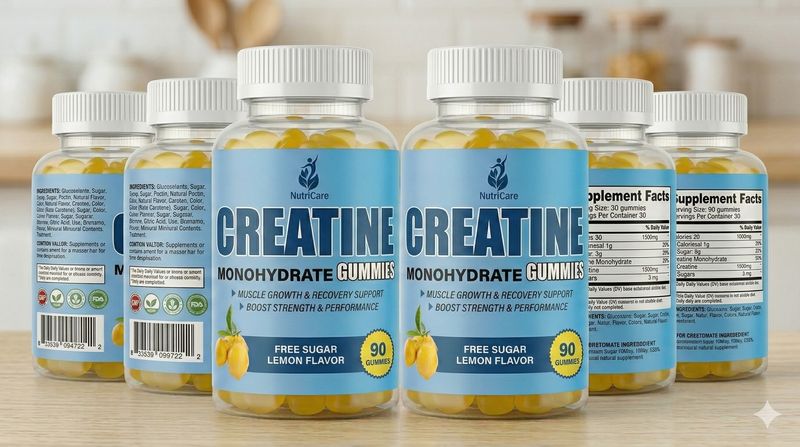
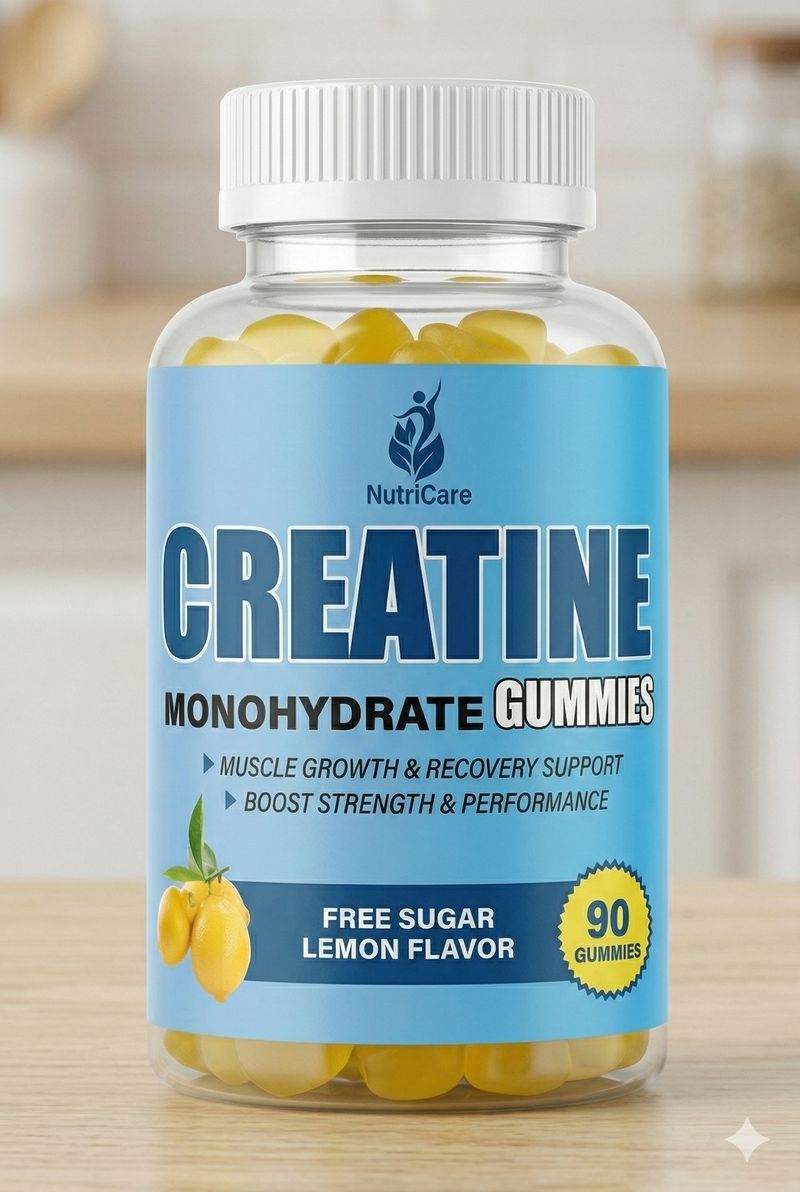
Our creatine monohydrate gummies are built for exactly this kind of effortless daily habit: 5g per 4 gummies, sugar-free, vegan, and made in the USA, with no scoop to measure or shaker to clean. For dosing specifics, see how to take creatine gummies.
What if I stop anyway?
Stopping is harmless — you just lose a little water weight as your stores return to baseline over a few weeks, with no muscle wasting and no withdrawal. We cover the full timeline in what happens when you stop taking creatine. So if life forces a break, there is nothing to fear — but you do not need to schedule one.
When to check with a doctor
Creatine is well tolerated by most healthy adults, but talk to a healthcare provider before starting if you have a kidney condition or reduced kidney function, are pregnant or nursing, are under 18, or take prescription medications and want to be sure there is no interaction.
The bottom line
Cycling creatine is a myth carried over from other supplements. Your body does not build tolerance, daily long-term use is safe for healthy adults, and breaks only set you back by letting your stores drop. The best approach is the simplest: take creatine monohydrate daily, every day, and keep your muscles topped up.
NutriCare Creatine Monohydrate Gummies
The Delicious Way to Build Muscle — sugar-free, vegan, made in the USA. From $39.99.
See the gummies →