Free Shipping on Orders $75+  •  GMP Certified  •  Made in the USA
HomeBlogIs Creatine Natural, and What Is It Made From?
Creatine Basics

Is Creatine Natural, and What Is It Made From?

By PureNutri-Care Editorial Team Updated Jun 23, 2026 8 min read
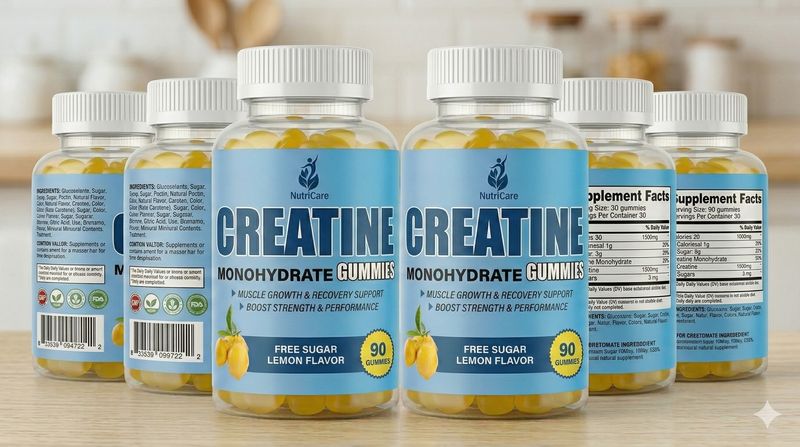
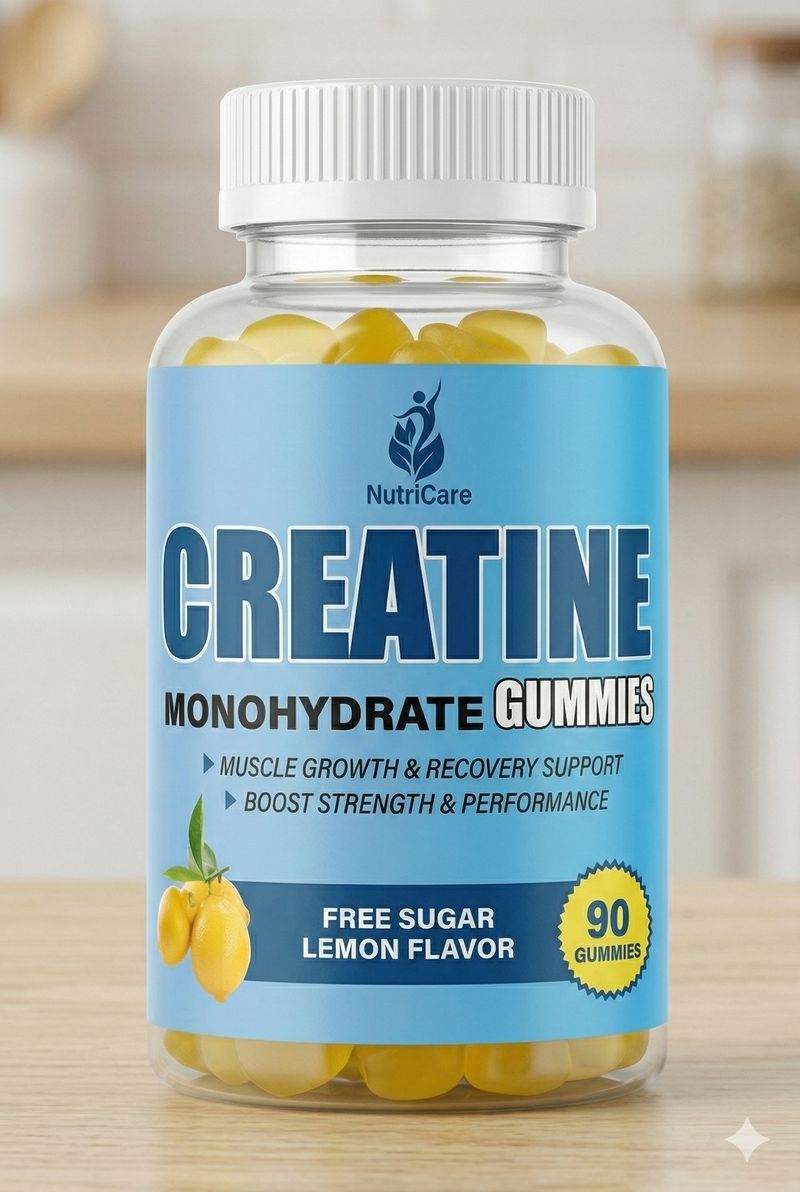
Sugar-free vegan creatine monohydrate gummies bottle, clean-label supplement

Key Takeaways

"Is creatine natural, or is it some synthetic chemical?" It is one of the most common worries people have before they start — and it usually comes from confusing creatine with steroids or assuming that anything made in a lab is automatically artificial. The reality is simple: creatine is a natural substance that your own body makes every single day, and that you already eat in ordinary foods.

Let's clear up exactly what creatine is, where it comes from, what supplement creatine is made from, and why a clean-label version is identical to the creatine already in your muscles.

Is creatine natural?

Yes. Creatine is a naturally occurring compound found throughout the human body — about 95% of it is stored in your skeletal muscle, where it helps regenerate ATP, the molecule your cells use for quick bursts of energy. Your body synthesizes creatine on its own, and you also take in additional creatine when you eat certain animal foods. It is not a foreign chemical and it is not a hormone or a drug.

This is a key distinction: creatine is sometimes lumped in with anabolic steroids, but the two have nothing in common. Steroids are synthetic hormones; creatine is a natural energy-system compound. We cover that difference in detail in our guide on whether creatine is a steroid (it is not).

What is creatine made from?

Inside your body, creatine is built from three amino acids: glycine, arginine, and methionine. Your liver, kidneys, and pancreas combine these building blocks to produce roughly 1 to 2 grams of creatine per day, which is then sent to your muscles for storage and use.

So creatine is, at its core, made from the same protein building blocks found in everyday food. There is nothing exotic about its chemistry — it is a small molecule your metabolism handles routinely.

Creatine in food

On top of what your body makes, you get creatine directly from your diet — specifically from animal-based foods:

Food sourceApprox. creatine (per pound, raw)
Herring~3–4 g
Beef~2 g
Salmon~2 g
Pork~2 g
Tuna~1.5 g

Note that plant foods contain essentially no creatine. That is why diet alone rarely delivers the higher amounts used to fully saturate muscle stores — and it is a big reason supplements exist.

If it is natural, why is supplement creatine made in a lab?

Here is the part that trips people up. The creatine in supplements — creatine monohydrate — is manufactured through a controlled chemical process rather than extracted from meat. But "made in a lab" does not mean "artificial" or "different." The lab process produces a molecule that is chemically identical to the creatine your body makes and the creatine in a steak. Your muscles literally cannot tell the difference between creatine from a salmon fillet and creatine from a high-quality monohydrate supplement.

Producing it in a controlled facility actually has advantages: it allows for consistent purity, precise dosing, and a product that contains no fish, no meat, and no animal byproducts. That is what makes a quality monohydrate both reliable and suitable for plant-based diets.

Why "lab-made" is a good thing here

Is lab-made creatine monohydrate safe?

Creatine monohydrate is one of the most extensively researched dietary supplements in the world, with decades of studies and a strong safety record in healthy adults. Major health organizations and sports-nutrition bodies recognize it as safe and effective when used as directed. It is not a stimulant, not a hormone, and not banned in mainstream sport.

As with any supplement, certain groups should check with a healthcare provider first — including people who are pregnant or nursing, under 18, or managing a kidney condition. For most healthy adults, however, monohydrate is considered both safe and well tolerated.

Why this matters for vegetarians and vegans

Because dietary creatine comes almost exclusively from meat and fish, people who follow vegetarian or vegan diets often carry lower baseline creatine stores in their muscles. That can mean they have more "room" to benefit from supplementation. The catch is that traditional creatine sources are animal-based — which is exactly why a vegan-friendly, lab-made monohydrate is so valuable.

Our creatine monohydrate gummies are vegan, sugar-free, and made in the USA, delivering 5g of creatine per 4 gummies with no animal ingredients and no mixing required. If you want to confirm the plant-based angle, see our explainer on whether creatine gummies are vegan.

The clean-label takeaway

A "clean label" creatine product is one where you can read every ingredient and understand it: pure creatine monohydrate as the active, a short list of simple supporting ingredients, no unnecessary fillers, and — in a sugar-free formula — no added sugar. Because the creatine itself is molecularly identical to what your body already makes, a clean-label gummy gives you a natural compound in a transparent, easy-to-take form.

New to creatine altogether? Our walkthrough on how to take creatine gummies covers dosing and routine in plain language.

The bottom line

Creatine is natural: your body makes it from amino acids, and you eat it in meat and fish. Supplement creatine monohydrate is produced in a lab to be molecularly identical to that natural creatine — which means it is pure, consistent, vegan-friendly, and backed by decades of safety research. "Lab-made" is not a red flag here; it is what makes a clean, animal-free, precisely dosed creatine possible.

NutriCare Creatine Monohydrate Gummies

The Delicious Way to Build Muscle — sugar-free, vegan, made in the USA. From $39.99.

See the gummies →

Frequently Asked Questions

Is creatine a natural substance?
Yes. Creatine is a natural compound your body produces from amino acids and stores mostly in your muscles. You also get it from animal foods like beef, salmon, and herring. It is not a drug, a hormone, or a synthetic chemical foreign to the body.
What is creatine made from?
In the body, creatine is made from three amino acids — glycine, arginine, and methionine — combined mainly in the liver, kidneys, and pancreas. Supplement creatine monohydrate is manufactured to be chemically identical to this natural creatine.
If supplement creatine is made in a lab, is it artificial?
No. "Made in a lab" describes the manufacturing process, not the molecule. Lab-produced creatine monohydrate is molecularly identical to the creatine your body makes and the creatine in meat and fish, so your muscles use it the same way.
Is lab-made creatine monohydrate safe?
Creatine monohydrate is one of the most-researched supplements available and has a strong safety record in healthy adults when used as directed. People who are pregnant or nursing, under 18, or managing a kidney condition should check with a healthcare provider first.
Can vegetarians and vegans take creatine?
Yes. Because dietary creatine comes from meat and fish, vegetarians and vegans often have lower natural stores and may benefit most from a supplement. A vegan creatine monohydrate is lab-made and contains no animal ingredients.

Sources & Further Reading

Disclaimer: This article is for general informational purposes only and is not medical advice. Dietary supplements are not intended to diagnose, treat, cure, or prevent any disease. Consult a qualified healthcare provider before starting any supplement, especially if you are pregnant, nursing, taking medication, or have a medical condition.