Free Shipping on Orders $75+  •  GMP Certified  •  Made in the USA
HomeBlogAre Creatine Gummies Vegan?
Ingredients

Are Creatine Gummies Vegan?

By PureNutri-Care Editorial Team Updated Jun 23, 2026 7 min read
Vegan pectin-based creatine monohydrate gummies

Key Takeaways

If you eat plant-based, "are creatine gummies vegan?" is not a trivial question — and the answer is frustratingly "it depends." The creatine itself is fine for vegans. The problem is what the gummy is made of. Many gummies are set with gelatin, an animal product, while others use plant-based pectin. The label is the only way to know for sure.

Here is the full breakdown: why creatine is vegan, the gelatin-versus-pectin issue, how to read a label, and why creatine is arguably more important for vegans than anyone else.

Is creatine itself vegan?

Yes — creatine monohydrate is vegan. Although your body makes creatine and you also get it from meat and fish in your diet, the creatine in supplements is produced synthetically in a lab from non-animal raw materials. The finished creatine monohydrate powder contains no animal ingredients. So the active ingredient is never the issue.

The catch is everything else in a gummy — the base that turns a powder into a chewable.

Why are some creatine gummies not vegan?

The deciding factor is the gelling agent that gives a gummy its chewy texture. There are two common choices, and they make all the difference:

Gelatin (not vegan)

Gelatin is a protein derived from animal collagen — typically from the bones and skin of cattle or pigs. It is cheap, sets easily, and produces that classic springy gummy bite, which is why it is the default for most conventional gummies. Any gummy made with gelatin is not vegan and not vegetarian.

Pectin (vegan)

Pectin is a fiber that occurs naturally in fruit — it is what makes jam set. Pectin-based gummies are fully plant-based and therefore vegan. They have a slightly different, often softer texture, but they deliver the same creatine with no animal ingredients.

Gelatin vs pectin gummies: side-by-side

 Gelatin GummiesPectin Gummies
SourceAnimal collagen (bones/skin)Fruit fiber (plant)
Vegan?NoYes
Vegetarian?NoYes
TextureSpringy, chewySofter, tender
Common inMost conventional gummiesPlant-based / clean-label gummies

How can I tell if my creatine gummies are vegan?

Check the label, in this order:

  1. Find the gelling agent in the ingredients. "Gelatin" means not vegan; "pectin" (often "fruit pectin") means vegan.
  2. Look for a vegan claim on the front of the pack — a reputable brand will state it clearly.
  3. Scan for other animal-derived additives. Some gummies use beeswax or carnauba coatings (beeswax is not vegan), or colorings like carmine (from insects). Pure plant-based products avoid these.

If a product does not clearly state pectin or "vegan," assume it may contain gelatin until proven otherwise. This is one of the five things we flag in our wider guide to choosing the best creatine gummies.

Why creatine matters more for vegans

Here is the part many plant-based athletes do not realize: dietary creatine comes almost entirely from meat and fish. Because vegans and vegetarians do not eat those foods, they tend to have lower baseline muscle creatine stores than omnivores. That means supplementation can make an especially noticeable difference for plant-based people — sometimes more than for meat-eaters who already get dietary creatine.

So a vegan creatine gummy is not just an ethical convenience; it can be a genuinely useful way for plant-based athletes to top up creatine levels their diet does not provide. Creatine is also popular among active women looking to support strength and recovery — see our overview of creatine for women.

What makes the best vegan creatine?

The best vegan creatine gummy combines a plant-based base with everything a good creatine product needs:

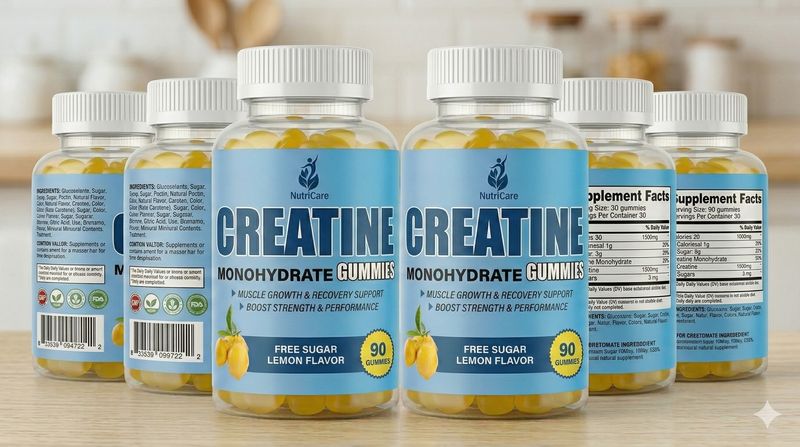
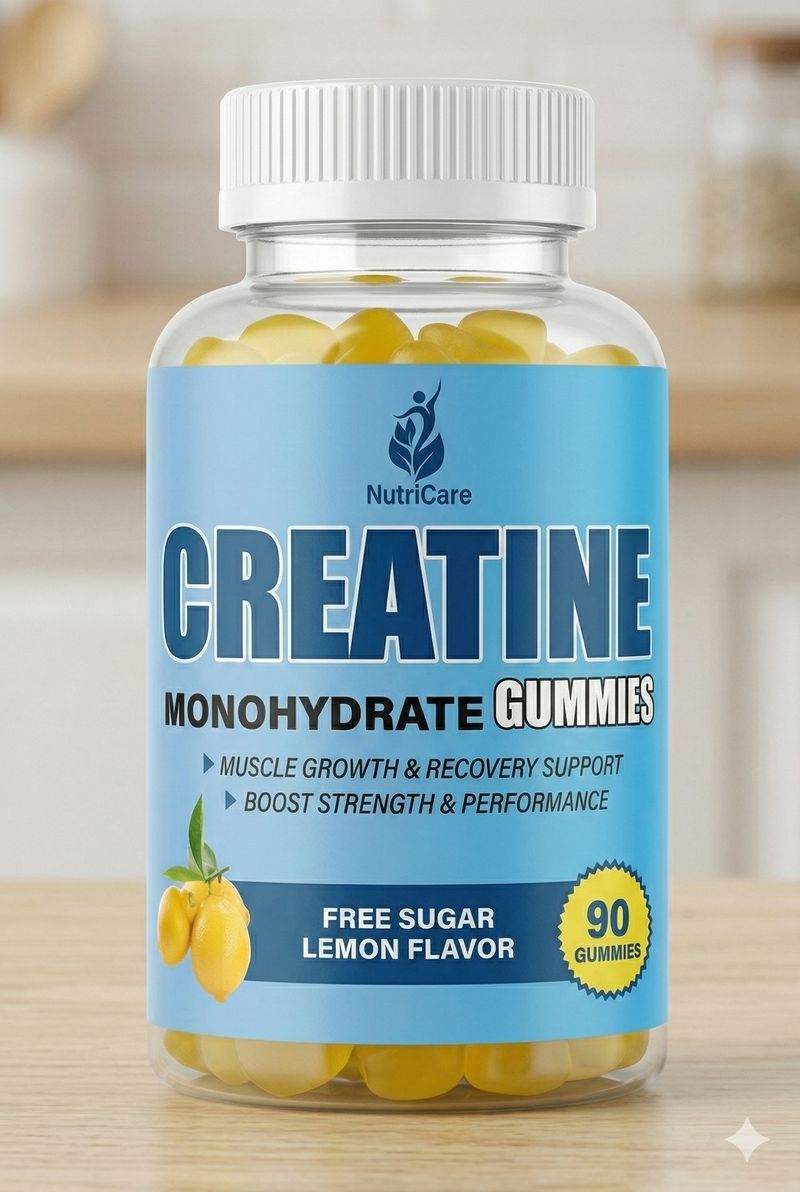
Our vegan creatine monohydrate gummies are built exactly this way — pectin-based, sugar-free, made in the USA, with a full 5g per 4 gummies. They give plant-based athletes a clean, animal-free way to hit a proper creatine dose. You can see the full ingredient list on the creatine gummies page.

The bottom line

Are creatine gummies vegan? The creatine always is — but the gummy is only vegan if it is set with pectin rather than gelatin. Read the label for the gelling agent, watch for sneaky animal-derived additives, and choose a pectin-based, full-dose, sugar-free product. For vegans especially, that gummy is a smart way to supply creatine your diet otherwise lacks.

NutriCare Creatine Monohydrate Gummies

The Delicious Way to Build Muscle — sugar-free, vegan, made in the USA. From $39.99.

See the gummies →

Frequently Asked Questions

Are creatine gummies vegan?
It depends on the gummy. Creatine monohydrate itself is vegan because it is made synthetically, but many gummies are set with animal-derived gelatin. Only pectin-based gummies are vegan, so always check the label for the gelling agent.
Is creatine made from animals?
No. The creatine monohydrate in supplements is produced synthetically from non-animal raw materials. While dietary creatine comes from meat and fish, supplemental creatine contains no animal ingredients.
What is the difference between gelatin and pectin gummies?
Gelatin is derived from animal collagen (bones and skin), so gelatin gummies are not vegan. Pectin is a fiber from fruit, so pectin gummies are fully plant-based and vegan. Pectin gummies tend to have a slightly softer texture.
Do vegans need creatine more than other people?
Vegans and vegetarians often have lower baseline muscle creatine because dietary creatine comes mainly from meat and fish. This means supplementation can make an especially noticeable difference for plant-based athletes.
What makes the best vegan creatine gummy?
A pectin-based formula with no animal-derived additives, a full 5g daily dose of creatine monohydrate, no added sugar, and third-party testing. Together these give plant-based athletes a clean, proven creatine option.

Sources & Further Reading

Disclaimer: This article is for general informational purposes only and is not medical advice. Dietary supplements are not intended to diagnose, treat, cure, or prevent any disease. Consult a qualified healthcare provider before starting any supplement, especially if you are pregnant, nursing, taking medication, or have a medical condition.