Free Shipping on Orders $75+  •  GMP Certified  •  Made in the USA
HomeBlogHow to Choose the Best Creatine Gummies
Buyer's Guide

How to Choose the Best Creatine Gummies

By PureNutri-Care Editorial Team Updated Jun 23, 2026 8 min read
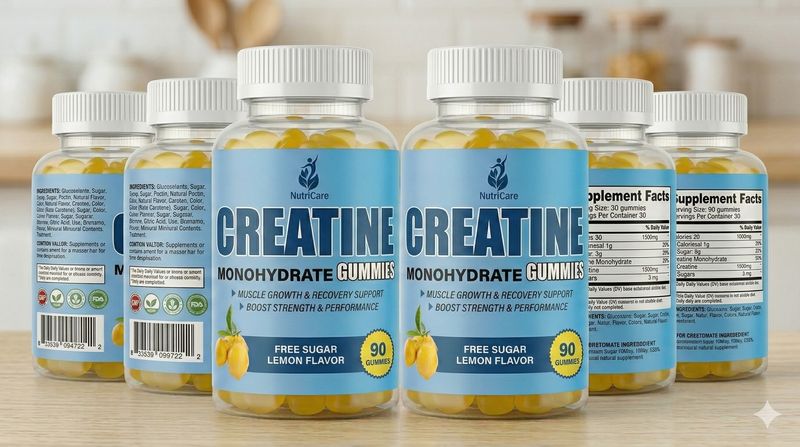
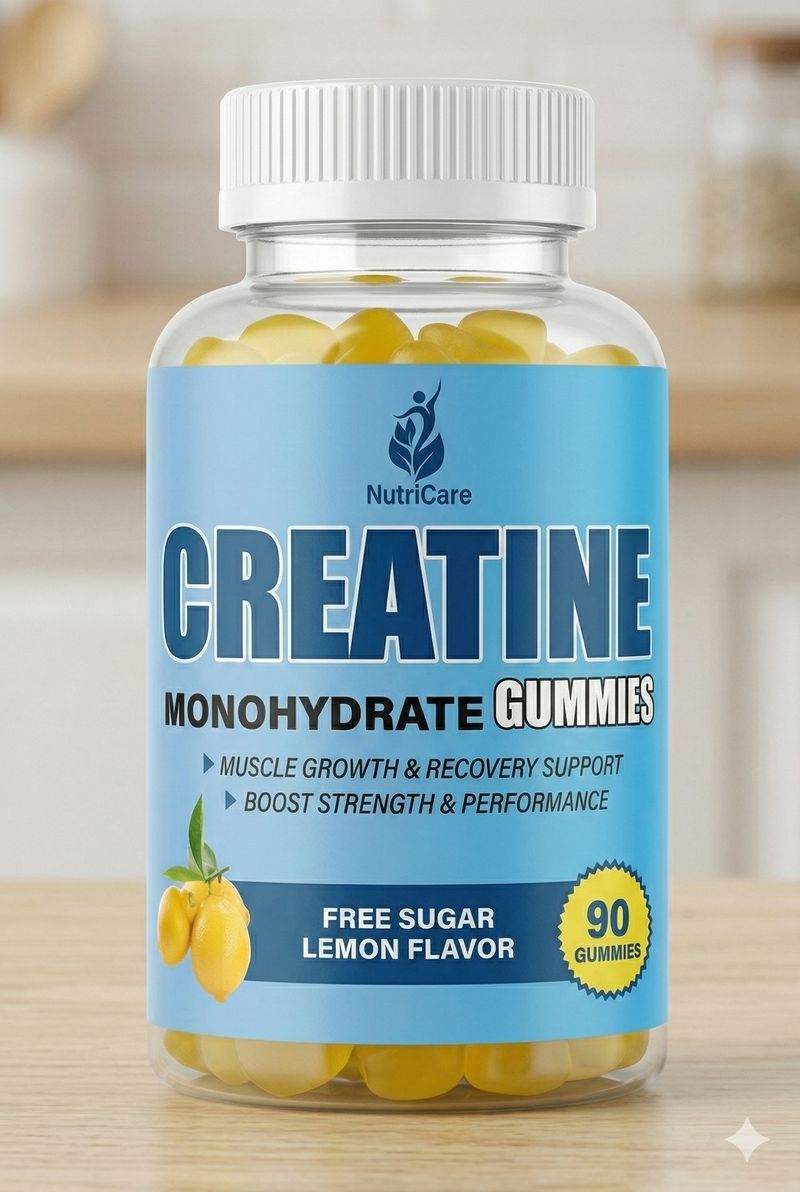
Bottle of sugar-free vegan creatine monohydrate gummies

Key Takeaways

"Best creatine gummies" is a crowded search, and most lists rank products by brand deals rather than what is actually in the bottle. The truth is that a good creatine gummy is easy to define — it comes down to a short checklist. Once you know the criteria, you can judge any product on the shelf in about thirty seconds.

Below are the five things that separate a genuinely good creatine gummy from a sugary, under-dosed one — plus an honest look at where our own gummies land against that list.

What makes the best creatine gummies?

The best creatine gummies share five traits: a full 5g daily dose of creatine monohydrate, a pure monohydrate form (not a blend), no added sugar, a vegan, pectin-based formula, and third-party testing for purity and label accuracy. Anything missing from that list is a compromise — sometimes a small one, sometimes a deal-breaker.

Let us go through each criterion so you know exactly what to look for and why it matters.

1. A full 5g dose of creatine

This is the single most important — and most-cheated — criterion. The clinically supported daily dose of creatine is about 5g. Many gummies quietly deliver only 1-2g per serving, banking on the fact that most buyers will not do the math. Always read the creatine content per gummy and multiply by the serving size. If four gummies do not add up to 5g, you are under-dosing.

2. Creatine monohydrate, not a blend

Creatine monohydrate is the form behind virtually all of creatine's research and its strong safety record. Flashier forms (HCl, "buffered" creatine, proprietary blends) cost more and have not been shown to outperform plain monohydrate. The best gummies keep it simple: creatine monohydrate, clearly labeled.

3. Sugar-free

Gummies taste good because they are usually sweet — and many brands reach for real sugar to get there. A few grams of sugar per serving adds up fast on a daily supplement, and it works against low-sugar, keto, or weight-management goals. Sugar-free formulas use alternative sweeteners to keep the gummy palatable without the added carbs.

4. Vegan (pectin, not gelatin)

Most conventional gummies are set with gelatin, which is animal-derived. Vegan gummies use fruit pectin instead. Even if you are not vegan, pectin-based gummies are a cleaner, plant-based option. If a plant-based diet matters to you, this is a must-check — see our breakdown of whether creatine gummies are vegan.

5. Third-party tested and made under quality standards

Supplements are not pre-approved before sale, so independent testing is your assurance that what is on the label is what is in the bottle. Look for products that are third-party tested and manufactured in facilities following good manufacturing practices. USA-made products manufactured under these standards add another layer of accountability.

Best creatine gummies: the criteria checklist

CriterionWhat to look forRed flag to avoid
DoseFull 5g per daily serving1-2g hidden per gummy
FormCreatine monohydrateVague "creatine blend"
SugarSugar-freeSeveral grams of added sugar
Diet fitVegan, pectin-basedGelatin (animal-derived)
QualityThird-party tested, USA-madeNo testing or sourcing info

How to read a creatine gummy label fast

  1. Find the creatine amount per gummy. Multiply by the serving size. Does it reach 5g?
  2. Check the form. It should say "creatine monohydrate" — not just "creatine" or a blend name.
  3. Scan the sugar line. You want 0g added sugar.
  4. Check the gelling agent. Pectin means vegan; gelatin does not.
  5. Look for testing claims. Third-party tested and made in the USA under GMP standards.

Run any product through those five checks and you will instantly separate the serious gummies from the candy.

How PureNutri-Care gummies measure up

Holding our own product to the same checklist, here is where it lands honestly:

That is the entire reason our creatine monohydrate gummies exist — to pass every line of the checklist rather than cutting a corner on dose or sugar. If you want to compare formats before deciding, our guide on creatine gummies vs powder covers the trade-offs.

Who creatine gummies are best for

Creatine gummies are the best fit for people who want a proven, pre-measured creatine dose without the hassle of mixing powder — travelers, busy professionals, anyone who dislikes chalky shakes, and people who have struggled to stay consistent. If you check the dose and form, a quality gummy gives you the same results as powder in a far easier package. You can explore our full creatine gummy range to see how it stacks up against the criteria above.

The bottom line

The best creatine gummies are not about brand hype — they are about a short, honest checklist: a full 5g of creatine monohydrate, sugar-free, vegan, third-party tested, and made under proper quality standards. Use the checklist on any product, count the dose, and you will never overpay for under-dosed candy again.

NutriCare Creatine Monohydrate Gummies

The Delicious Way to Build Muscle — sugar-free, vegan, made in the USA. From $39.99.

See the gummies →

Frequently Asked Questions

What should I look for in the best creatine gummies?
Look for five things: a full 5g daily dose of creatine monohydrate, a pure monohydrate form rather than a blend, no added sugar, a vegan pectin-based formula, and third-party testing. Products that meet all five are the genuinely good options.
How do I know if a creatine gummy is under-dosed?
Read the creatine content per gummy and multiply by the serving size. Many gummies deliver only 1-2g and rely on buyers not counting. If a full serving does not add up to about 5g, it is under-dosed.
Are sugar-free creatine gummies better?
For a daily supplement, yes. Many gummies use real sugar to mask the taste, which adds up over time and works against low-sugar, keto, or weight goals. Sugar-free formulas keep the gummy palatable without the added carbs.
Are all creatine gummies vegan?
No. Most conventional gummies are set with animal-derived gelatin. Vegan gummies use fruit pectin instead. If a plant-based diet matters to you, check the label for pectin rather than gelatin.
Why does third-party testing matter for creatine gummies?
Supplements are not pre-approved before sale, so independent testing is your assurance that the label matches what is in the bottle. Choose products that are third-party tested and made in facilities following good manufacturing practices.

Sources & Further Reading

Disclaimer: This article is for general informational purposes only and is not medical advice. Dietary supplements are not intended to diagnose, treat, cure, or prevent any disease. Consult a qualified healthcare provider before starting any supplement, especially if you are pregnant, nursing, taking medication, or have a medical condition.