Can You Take Creatine While Pregnant?
Key Takeaways
- There is limited human research on creatine supplementation during pregnancy and breastfeeding — most safety data comes from animal studies and small trials.
- Because the evidence is incomplete, the responsible answer is: do not start creatine while pregnant or nursing without first getting clearance from your OB-GYN or midwife.
- Creatine is naturally present in the body and in foods like meat and fish, and researchers are actively studying its potential role in pregnancy — but "promising research" is not the same as "proven safe to supplement."
- If you used creatine before pregnancy, talk to your provider about whether to continue, pause, or adjust your dose.
- This article is general information, not medical advice. Your OB knows your full history and is the right person to make this call.
If you took creatine before becoming pregnant — or you are curious whether it is safe to start during pregnancy or while breastfeeding — you deserve a straight answer. Here it is: the human safety data is limited, so you should not take creatine while pregnant or nursing without first checking with your OB-GYN.
That is not a scare tactic, and it is not a marketing dodge. It is simply where the science stands today. Below we walk through what is actually known, what is still unknown, and how to have a useful conversation with your provider.
Can you take creatine while pregnant?
The honest answer is that we do not have enough high-quality human research to say creatine supplementation is proven safe during pregnancy. Creatine is a substance your body makes on its own and also gets from food (especially meat and fish), so it is not a foreign chemical. But "naturally occurring" does not automatically mean "safe to take in supplement doses while pregnant."
Most of what scientists know about creatine and pregnancy comes from animal studies and a small number of observational human studies. These have generated genuine scientific interest, but they are not the kind of large, controlled trials that would let a doctor confidently recommend supplementation. Until that research exists, the cautious and correct position is to defer to your healthcare provider.
Why researchers are interested in creatine and pregnancy
Creatine plays a role in cellular energy, and pregnancy is an energy-demanding state. Some researchers are exploring whether creatine could support the developing baby during periods of low oxygen, such as a difficult labor. This is an active and legitimate area of study — but it is research, not an established treatment. You should not interpret early scientific interest as a green light to start supplementing on your own.
Is creatine safe while breastfeeding?
The same logic applies to breastfeeding. Creatine is naturally found in breast milk, and the body transfers it to support the infant. However, there is very little research on whether supplementing with extra creatine while nursing is beneficial, neutral, or something to avoid. Because so little is known, the safest approach is the same: ask your OB or a lactation-aware provider before taking creatine while breastfeeding.
What should you actually do?
Here is a practical, responsible framework:
| Your situation | Recommended step |
|---|---|
| Currently pregnant, not taking creatine | Do not start without OB clearance. |
| Took creatine before pregnancy | Tell your OB and ask whether to continue or pause. |
| Breastfeeding | Check with your provider before taking or restarting. |
| Trying to conceive | Bring it up at your next prenatal or preconception visit. |
Notice the common thread: every path runs through your healthcare provider. That is intentional. Your OB knows your medical history, your medications, and any complications — context that no general article can account for.
Questions to bring to your OB
- Is it safe for me specifically to take or continue creatine right now?
- If I should stop, is it okay to resume after delivery or after weaning?
- Are there reasons in my history (kidney function, blood pressure, medications) that change the answer?
- What dose, if any, would you be comfortable with?
What about after pregnancy?
Once you are no longer pregnant or breastfeeding — and with your provider's okay — creatine returns to being one of the most researched and well-tolerated supplements for healthy adults. Many people use it to support strength and recovery as they rebuild fitness postpartum. If and when you get the green light, our guide on how to take creatine gummies covers simple, consistent dosing.
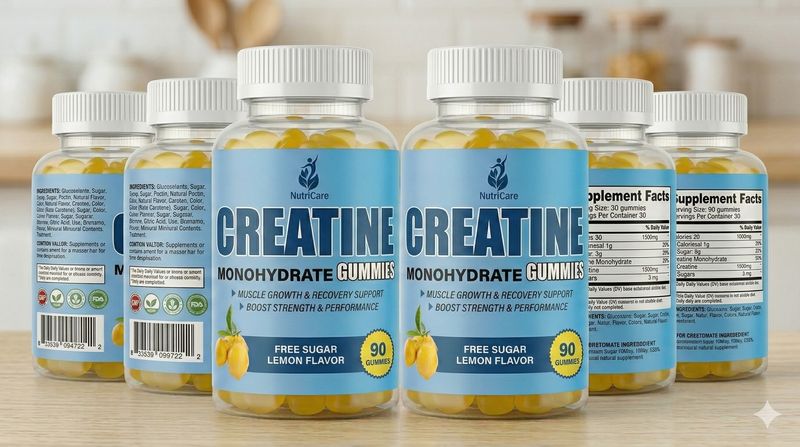
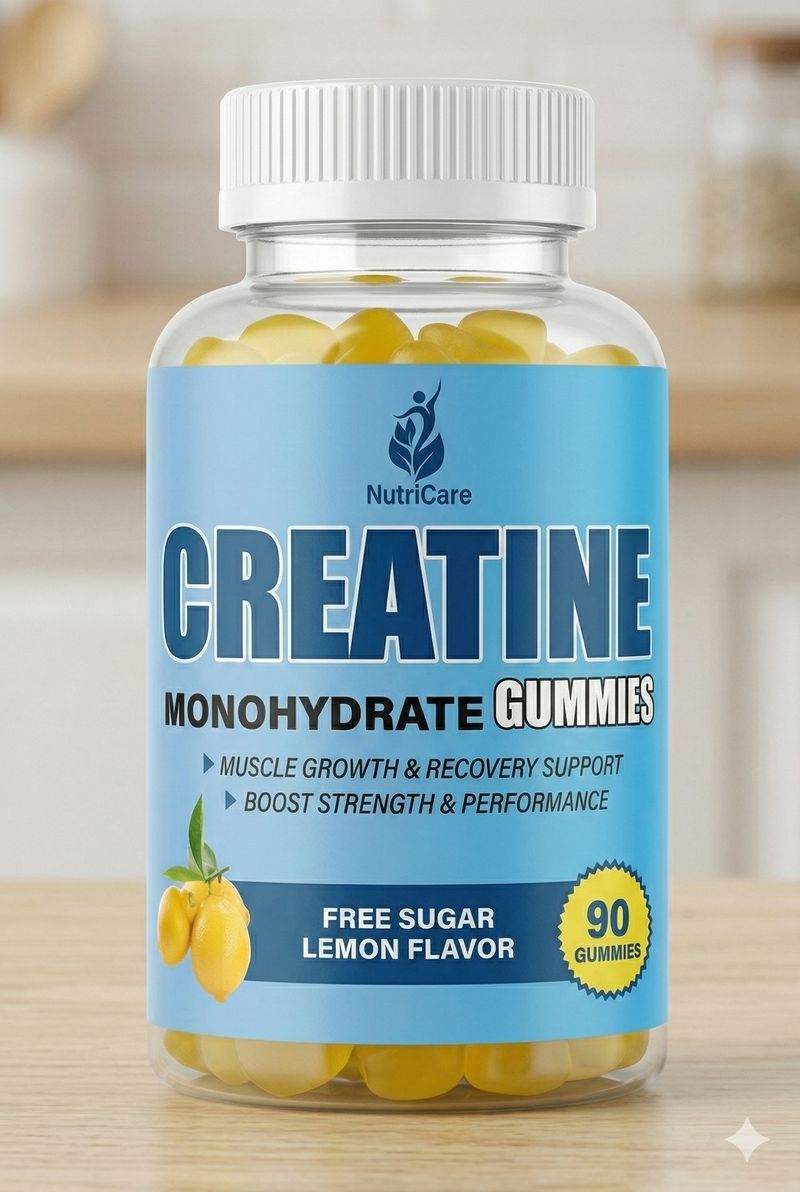
If you are weighing options for after this season, our creatine monohydrate gummies are sugar-free, vegan, and made in the USA — but the timing question still belongs to your OB, not to us.
Why we are not telling you to start
It would be easy for a supplement page to say "creatine is natural and safe, go for it." We will not, because that would be dishonest about the state of the evidence. Pregnancy and breastfeeding are exactly the situations where "we are not sure yet" should translate to "wait and ask a professional." Responsible supplementation means respecting the limits of what is known.
The bottom line
Can you take creatine while pregnant or breastfeeding? The data is too limited to say it is proven safe, so do not start without clearance from your OB-GYN. If you used it before, raise it with your provider so the decision is made with your full medical picture in view. After pregnancy, with your doctor's okay, creatine can return to your routine.
NutriCare Creatine Monohydrate Gummies
The Delicious Way to Build Muscle — sugar-free, vegan, made in the USA. From $39.99.
See the gummies →