Free Shipping on Orders $75+  •  GMP Certified  •  Made in the USA
HomeBlogCreatine Side Effects: What Is Real and What Is Not
Safety

Creatine Side Effects: What Is Real and What Is Not

By PureNutri-Care Editorial Team Updated Jun 23, 2026 8 min read
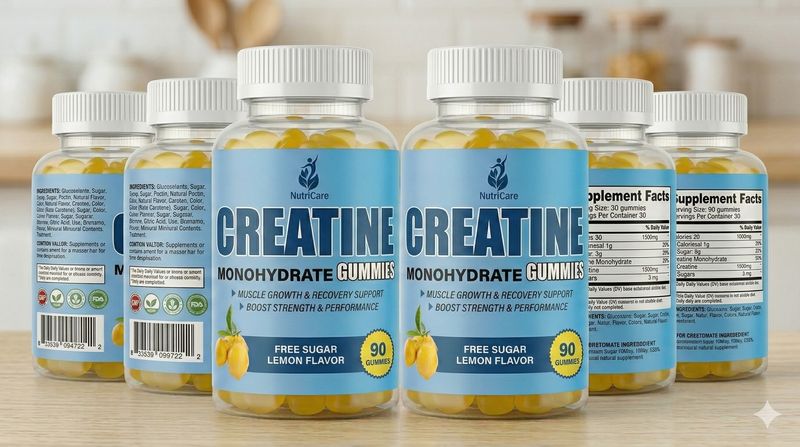
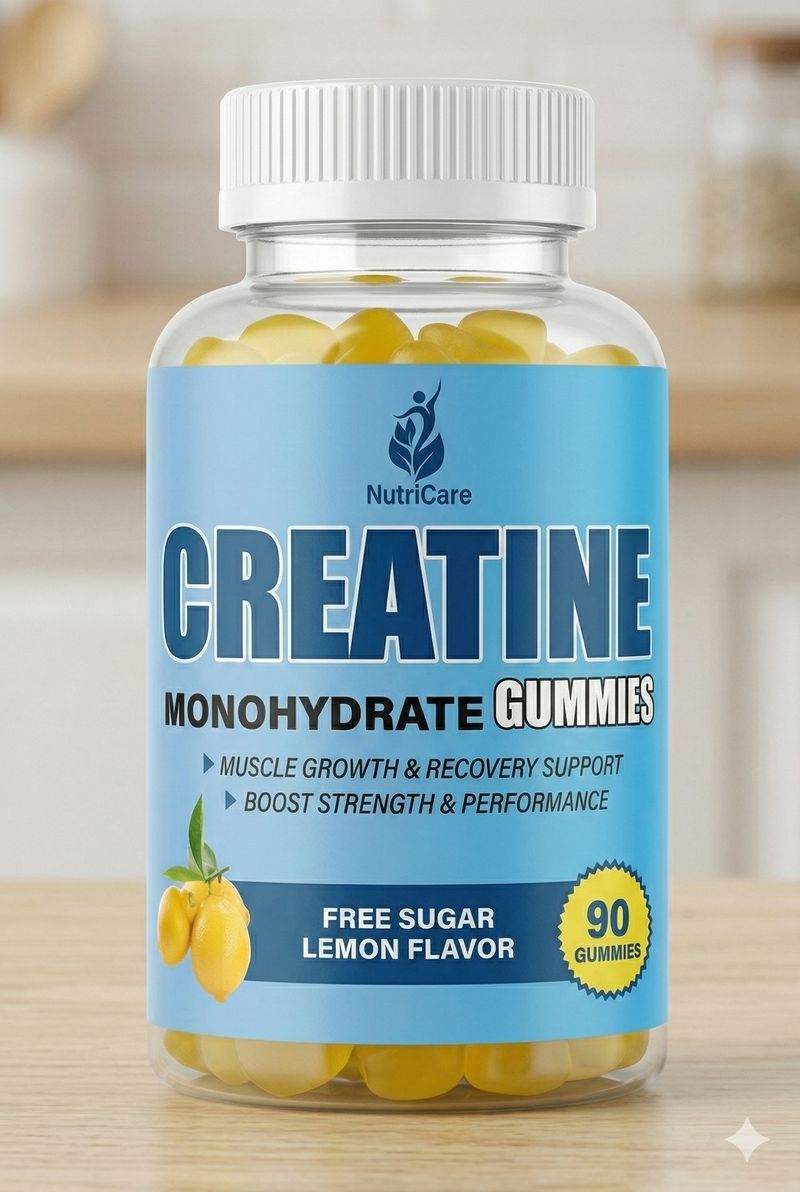
Sugar-free vegan creatine monohydrate gummies bottle front view

Key Takeaways

Creatine is one of the most studied supplements on the planet, and the headline is reassuring: in healthy adults, creatine monohydrate produces remarkably few side effects. The most common is a little water weight early on, and a smaller number of people notice mild stomach upset. The scarier claims — kidney damage, hair loss, liver strain — keep circulating online, but they are not backed by the research in healthy people taking normal doses.

This guide walks through every side effect people ask about, separates what is real from what is myth, and shows how careful dosing avoids most of the minor issues in the first place.

What are the actual side effects of creatine?

For most healthy adults, the only real, common side effects are mild and short-lived: a small increase in water weight and, less often, some stomach discomfort. Decades of trials have looked hard for serious problems and consistently failed to find them at normal doses.

It helps to understand why. Creatine pulls a little extra water into your muscle cells, which is part of how it works. That is not harmful bloating — it is your muscles holding more fluid, which can even make them look fuller. The table below summarizes what is genuinely reported versus what is myth.

ConcernStatusWhat the evidence shows
Water weightReal, minor1–2 kg of cellular water early on; not fat, often plateaus
Mild GI upsetOccasionalUsually tied to large single doses or loading; avoidable
Kidney damageMyth (healthy adults)No harm shown in healthy kidneys at normal doses
Hair lossMythOne small study sparked it; never replicated
Liver damageMythNo evidence of liver harm in healthy users
Dehydration / crampsMythResearch shows no increased risk; may even help hydration

Why does creatine cause water weight?

The water weight is real but harmless. Creatine is stored in your muscles as phosphocreatine, and it draws a small amount of water into the muscle cells alongside it. This is called cell volumization, and it is part of the normal, intended effect of the supplement — not a warning sign.

In practice, that means many people see the scale move up by one to two pounds in the first couple of weeks. It is fluid inside the muscle, not body fat, and for most people it levels off. If you want a full breakdown of this specifically, see our guide on whether creatine makes you gain weight.

How to minimize the early water-weight bump

You cannot fully avoid cell volumization — it is how creatine works — but you can make the transition gentler by skipping the old-school loading phase and starting with a steady daily dose instead. A smaller daily amount eases your muscles toward saturation over a few weeks rather than all at once.

Does creatine cause stomach upset?

Sometimes, but it is usually avoidable. The mild GI symptoms people report — bloating, nausea, or loose stools — are almost always linked to taking a large amount of creatine in one sitting, especially during a high-dose loading phase where people take 20g a day split into big scoops.

When creatine is taken as a modest daily dose with food or water, GI complaints drop sharply. This is one of the clearest, easiest fixes: spread it out, keep the dose reasonable, and most stomach issues disappear.

Skipping the loading phase fixes most of it

You do not need to load. Loading just saturates your muscles a bit faster — a steady daily dose gets you to the exact same place in about three to four weeks with far less risk of stomach upset. For most people, skipping loading is the more comfortable route and the simplest way to sidestep the most common complaint. Our guide on how to take creatine gummies covers daily dosing without loading.

Will creatine hurt my kidneys?

For healthy adults, no — this is the most persistent myth about creatine. The confusion comes from a lab marker called creatinine. Creatine naturally breaks down into creatinine, so supplementing can nudge that number up slightly on a blood test. But a higher creatinine reading here reflects more creatine in your system, not kidney damage.

Long-term studies in healthy people have not shown kidney harm at normal doses. The caution is specific: if you already have kidney disease or reduced kidney function, you should clear any supplement with your doctor first. We cover this in depth in is creatine bad for your kidneys.

Does creatine cause hair loss?

There is no good evidence that it does. This fear traces back to a single small study in rugby players that reported a rise in a hormone linked to hair loss in some people — but it did not measure actual hair loss, and no later study has reproduced the finding. One small, unreplicated result is not a basis for a real side effect.

If you are worried about it specifically, our article does creatine cause hair loss walks through the original study and what the broader research actually says.

Can creatine damage your liver?

No evidence supports this in healthy people. As with the kidney concern, the liver myth is built on the idea that a metabolic supplement must strain your filtering organs. Studies tracking liver enzymes in creatine users have not found harm at normal doses. Healthy livers handle creatine without issue.

What about cramps and dehydration?

This one is essentially backwards. The old worry was that creatine pulls water into muscles and leaves the rest of you dehydrated, causing cramps. Research has not supported that — if anything, the extra intracellular water may help with hydration during exercise. Reviews of athletes have found no increase in cramping or heat illness from creatine. Drink normal amounts of water and you are fine.

How dosing format reduces side effects

Most of creatine's avoidable side effects come down to how much you take at once. Dumping a large powder scoop on an empty stomach is the classic recipe for GI upset. A measured, lower daily dose is gentler.

This is one practical advantage of a portioned format. Sugar-free creatine gummies deliver a precise 5g across four gummies, which makes it easy to take a steady daily amount without guesswork or oversized scoops — and easy to split if you prefer. There is no loading, no shaker, and no sour aftertaste to discourage consistency.

Who should talk to a doctor first?

Creatine is well tolerated by most healthy adults, but check with a healthcare provider before starting if you have kidney disease or reduced kidney function, are pregnant or nursing, are under 18, or take prescription medications. A quick conversation with your doctor or pharmacist settles any individual concern.

The bottom line

Creatine's real side effects are minor: a little water weight and, for some, mild stomach upset that is largely avoidable by skipping the loading phase and dosing steadily. The frightening claims about kidneys, hair, and liver do not hold up in healthy adults at normal doses. Take a sensible daily amount, stay hydrated, and check with your doctor if you have a medical condition.

NutriCare Creatine Monohydrate Gummies

The Delicious Way to Build Muscle — sugar-free, vegan, made in the USA. From $39.99.

See the gummies →

Frequently Asked Questions

What are the most common side effects of creatine?
The most common side effect is a small amount of water weight in the first couple of weeks, which is fluid inside your muscle cells rather than fat. Some people also notice mild stomach discomfort, which is usually tied to taking large doses at once and can be avoided with a steady daily dose.
Does creatine damage your kidneys?
There is no evidence that creatine harms the kidneys of healthy adults at normal doses. It can slightly raise a blood marker called creatinine, but that reflects more creatine in your body, not kidney damage. People with existing kidney conditions should check with a doctor first.
How do I avoid stomach upset from creatine?
Most stomach issues come from taking a large amount at once, especially during a loading phase. Skip loading, take a modest daily dose with food or water, and spread it out if needed. A portioned format like gummies makes steady dosing easier.
Does creatine cause hair loss?
No reliable evidence supports this. The fear comes from one small study that measured a hormone, not actual hair loss, and it has never been replicated. The broader research does not show creatine causing hair loss.
Is it safe to take creatine every day?
Yes. Daily use of a normal dose is how creatine works best, and long-term studies in healthy adults have not found harmful effects. Consistency matters more than timing. If you have a medical condition or take medication, talk to your doctor first.

Sources & Further Reading

Disclaimer: This article is for general informational purposes only and is not medical advice. Dietary supplements are not intended to diagnose, treat, cure, or prevent any disease. Consult a qualified healthcare provider before starting any supplement, especially if you are pregnant, nursing, taking medication, or have a medical condition.