Free Shipping on Orders $75+  •  GMP Certified  •  Made in the USA
HomeBlogIs Creatine Safe for Teenagers?
Safety

Is Creatine Safe for Teenagers?

By PureNutri-Care Editorial Team Updated Jun 23, 2026 8 min read
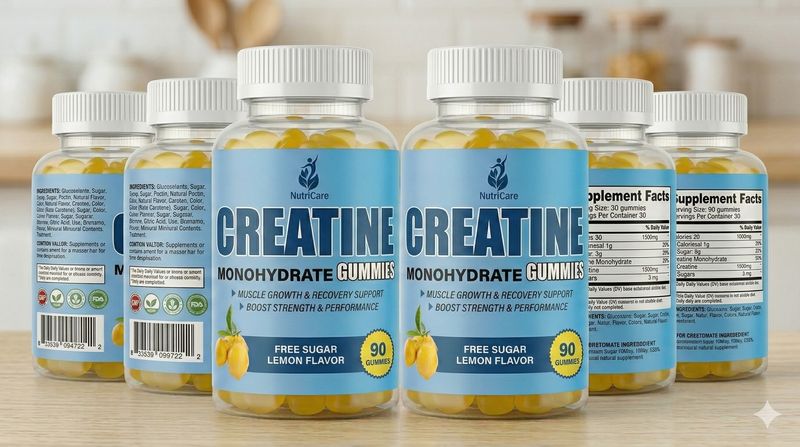
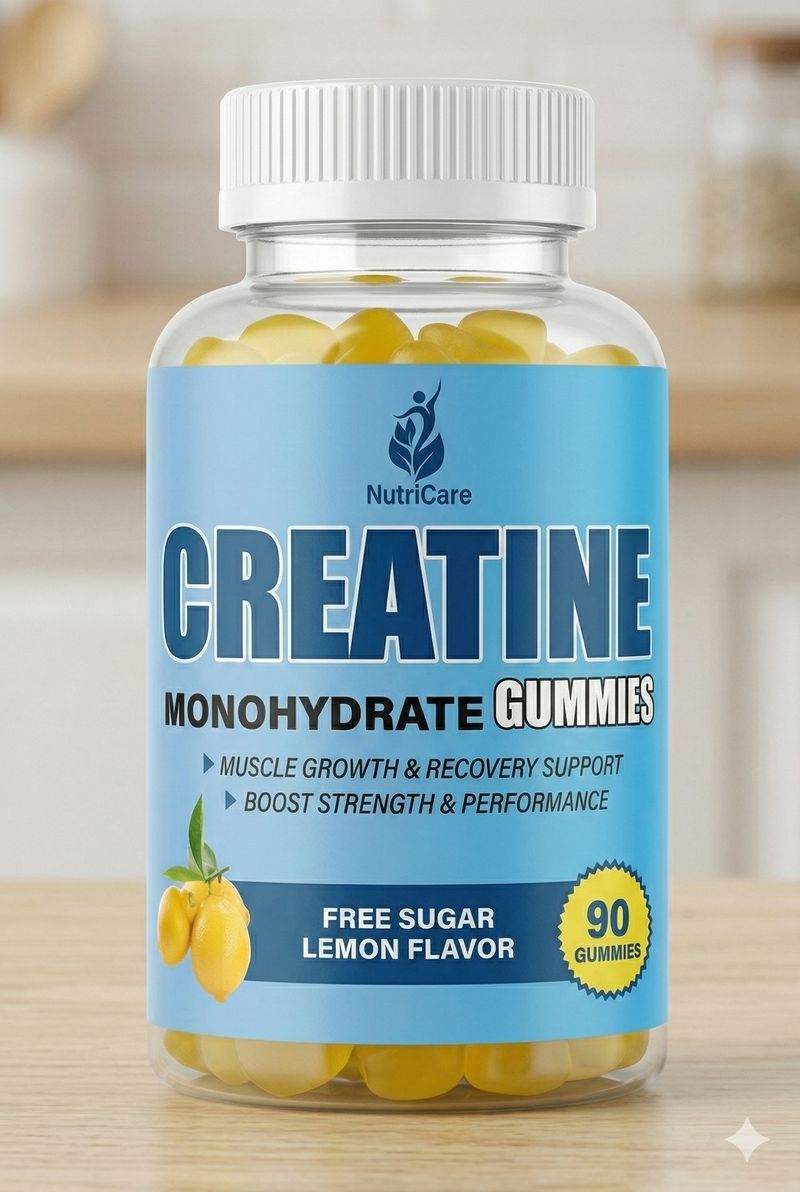
Sugar-free creatine monohydrate gummies and questions about teen safety

Key Takeaways

Creatine is one of the most popular and well-researched supplements in sports, so it is no surprise that teenage athletes — and their parents — ask whether it is safe for them. The question deserves a straight, honest answer rather than a sales pitch. The research does not show harm in healthy teens, and creatine does not stunt growth — but respected pediatric guidance still recommends caution and adult supervision for anyone under 18.

Both of those things are true at once, and the rest of this guide explains why.

Is creatine safe for teenagers?

Based on the studies available, creatine has not been shown to cause harm in healthy adolescents when used at normal doses. Creatine occurs naturally in the body and in foods like meat and fish, and the research record in adults is strong and reassuring.

The honest caveat is that there is less long-term research specifically in teenagers than in adults. The absence of evidence of harm is encouraging, but it is not the same as decades of dedicated adolescent data. That gap is exactly why expert bodies lean toward caution rather than a green light.

Does creatine stunt growth?

No. This is one of the most persistent myths about creatine, and there is no scientific evidence that it stunts growth or damages the bones or growth plates of teenagers. The myth seems to come from general nervousness about teens and supplements rather than from any actual finding.

If anything, the worry is misplaced: creatine is a naturally occurring compound, not a hormone or a steroid, and it does not interfere with the hormonal processes that drive growth.

Can a 16-year-old take creatine?

Physiologically, a 16-year-old's body handles creatine much like an adult's. There is no biological switch that flips at 18. However, "can" and "should" are different questions, and the recommendation here is shaped by guidance rather than by a known danger.

QuestionHonest answer
Is there evidence creatine harms teens?No evidence of harm in the studies available
Does it stunt growth?No — that is a myth
Is long-term teen data plentiful?No — it is limited compared to adults
What do pediatric bodies advise?Caution; avoid or use only under supervision under 18

What do experts and pediatric guidelines say?

This is the part that matters most for families. The American Academy of Pediatrics (AAP) has historically discouraged the use of performance-enhancing supplements, including creatine, by children and adolescents — recommending that under-18s generally avoid them, or use them only with medical guidance.

It is important to read that guidance accurately. It is a precautionary stance driven by limited adolescent-specific data and a preference to prioritize fundamentals first — not a finding that creatine has been proven dangerous to teens. Both messages are honest: the studies are reassuring, and the experts still advise caution.

What should a teen athlete focus on first?

For nearly every teenage athlete, the biggest performance gains do not come from a supplement at all. Before creatine is even on the table, the fundamentals deliver far more:

A young athlete who nails these will outperform one who skips them and reaches for a supplement. Creatine is a small refinement on a strong foundation, not a shortcut.

If a family does decide to try it

If a teen athlete and their parents, after considering the guidance above, choose to use creatine, the responsible path is clear:

  1. Talk to a doctor first — ideally one who knows the teen's health history.
  2. Involve a sports dietitian if possible, especially for competitive athletes.
  3. Use a modest dose (commonly 3–5 g daily) — there is no need for high amounts.
  4. Choose a quality, single-ingredient product and avoid stimulant-laden "pre-workout" blends.

If you want the foundational basics in plain language, our creatine for beginners guide is a good place to start, and our creatine monohydrate gummies are sugar-free, vegan, and made in the USA with a single, simple ingredient. As always, an under-18 should only use any supplement with a parent's and doctor's involvement.

The bottom line

Is creatine safe for teens? The research has not shown harm, and it does not stunt growth — that part is a myth. At the same time, leading pediatric guidance advises that under-18s be cautious and use creatine only under medical supervision, because long-term adolescent data is still limited. The most honest advice for any teen athlete: build the foundation of food, sleep, and training first, and bring a doctor into any decision about supplements.

NutriCare Creatine Monohydrate Gummies

The Delicious Way to Build Muscle — sugar-free, vegan, made in the USA. From $39.99.

See the gummies →

Frequently Asked Questions

Is creatine safe for teenagers?
The available research has not shown that creatine harms healthy teens when used at normal doses. However, long-term data specifically in adolescents is limited, which is why pediatric guidance recommends caution and adult supervision for anyone under 18.
Does creatine stunt growth?
No. There is no scientific evidence that creatine stunts growth or harms growth plates. This is a common myth — creatine is a naturally occurring compound, not a hormone or steroid.
Can a 16-year-old take creatine?
A 16-year-old's body processes creatine much like an adult's, and studies show no evidence of harm. But major pediatric bodies such as the American Academy of Pediatrics advise that under-18s avoid performance supplements or use them only under medical guidance, so any decision should involve a parent and doctor.
What does the American Academy of Pediatrics say about creatine?
The AAP has historically discouraged performance-enhancing supplements, including creatine, for children and adolescents, recommending under-18s avoid them or use them only with medical guidance. This is a precautionary stance based on limited adolescent data, not proof that creatine is dangerous for teens.
What should a teen athlete prioritize before supplements?
Food, sleep, consistent training, good coaching, hydration, and recovery deliver far bigger gains for teen athletes than any supplement. Creatine is a small refinement on a strong foundation, not a shortcut.

Sources & Further Reading

Disclaimer: This article is for general informational purposes only and is not medical advice. Dietary supplements are not intended to diagnose, treat, cure, or prevent any disease. Consult a qualified healthcare provider before starting any supplement, especially if you are pregnant, nursing, taking medication, or have a medical condition.