Apple Cider Vinegar for Weight Loss: An Honest Look
Key Takeaways
- Apple cider vinegar is not a fat-burner and will not melt away pounds on its own — any honest claim has to start there.
- In controlled studies, the effect is modest: roughly 2 to 4 pounds over about 12 weeks, and only when paired with a reduced-calorie diet.
- The likely mechanism is mild — vinegar may slightly increase fullness and slow stomach emptying, which can make a calorie deficit a little easier to hold.
- Diet and movement do the heavy lifting. ACV is a small supporting habit, not the cause of weight loss.
- If you want the convenience without the harsh sour liquid, sugar-free ACV gummies are a gentler, pre-measured way to stay consistent.
Search "apple cider vinegar for weight loss" and you will find everything from miracle claims to total dismissal. The truth sits in between, and it is worth being plain about it: apple cider vinegar (ACV) is not a fat-burner, and on its own it will not make you lose weight. What the research actually supports is a small, supporting effect — and only when the basics are already in place.
Here is an honest, evidence-based walk through what ACV can and cannot do for your waistline.
Does apple cider vinegar actually help you lose weight?
The most-cited human study on this question is a 12-week Japanese trial in which participants who drank a vinegar-containing drink daily, alongside a controlled diet, lost a small amount more weight than those who did not — on the order of a couple of pounds. More recent research has echoed the pattern: a measurable but modest difference, never a dramatic one.
So the honest answer is yes, but barely, and only with a calorie deficit. If you keep eating the same number of calories and add ACV, you should not expect the scale to move. Vinegar is a nudge, not an engine.
How much weight can you realistically expect to lose?
Setting expectations correctly matters more than any single tip. Based on the controlled studies available:
| Realistic expectation | What the research suggests |
|---|---|
| Typical extra weight loss | ~2 to 4 lb over roughly 12 weeks |
| Required condition | A reduced-calorie diet (the deficit does the work) |
| Effect without diet change | Little to none |
| Timeframe | Gradual, over weeks — not days |
A few extra pounds over three months is genuinely modest. It is not nothing, but it is also not the headline that ACV marketing often implies. Anyone promising rapid fat loss from vinegar alone is overstating the evidence.
Why might vinegar help at all?
The active compound in apple cider vinegar is acetic acid. The most plausible weight-related mechanisms are unglamorous:
- Greater fullness. Vinegar with a meal may slow how quickly your stomach empties, which can increase the feeling of being full and slightly reduce how much you eat at the next meal.
- Steadier post-meal blood sugar. Vinegar can blunt the blood-sugar spike after a carb-heavy meal for some people, which may help curb the crash-and-snack cycle. (Our deeper dive on whether ACV lowers blood sugar covers this honestly.)
Both effects are small and vary from person to person. Neither "burns fat." They simply make it a little easier to eat less — which is why ACV only works when you are already aiming for a deficit.
What ACV will NOT do (the myths)
To stay honest, here is what apple cider vinegar does not do, despite popular claims:
- It does not "detox" your body. Your liver and kidneys handle that. There is no detox to buy.
- It does not target belly fat. Spot-reduction is not a real phenomenon for any food or supplement.
- It does not replace diet or exercise. It cannot out-perform what you eat.
- It does not deliver fast results. Any change is gradual and small.
How should you actually use ACV for weight management?
Treat it as one small, consistent habit layered on top of the fundamentals:
- Fix the basics first. A moderate calorie deficit, enough protein, and regular movement are what actually drive weight loss.
- Add ACV before a meal. Many people use it before lunch or dinner, the meals where extra fullness helps most.
- Stay consistent. A small effect only adds up if you keep it up daily.
The problem with drinking the liquid
Straight apple cider vinegar is harshly sour, and the acidity is real: it can irritate your throat and, over time, erode tooth enamel if you sip it undiluted. That sourness is also why a lot of people quit within a week — and a habit you abandon delivers zero benefit.
Where gummies fit in
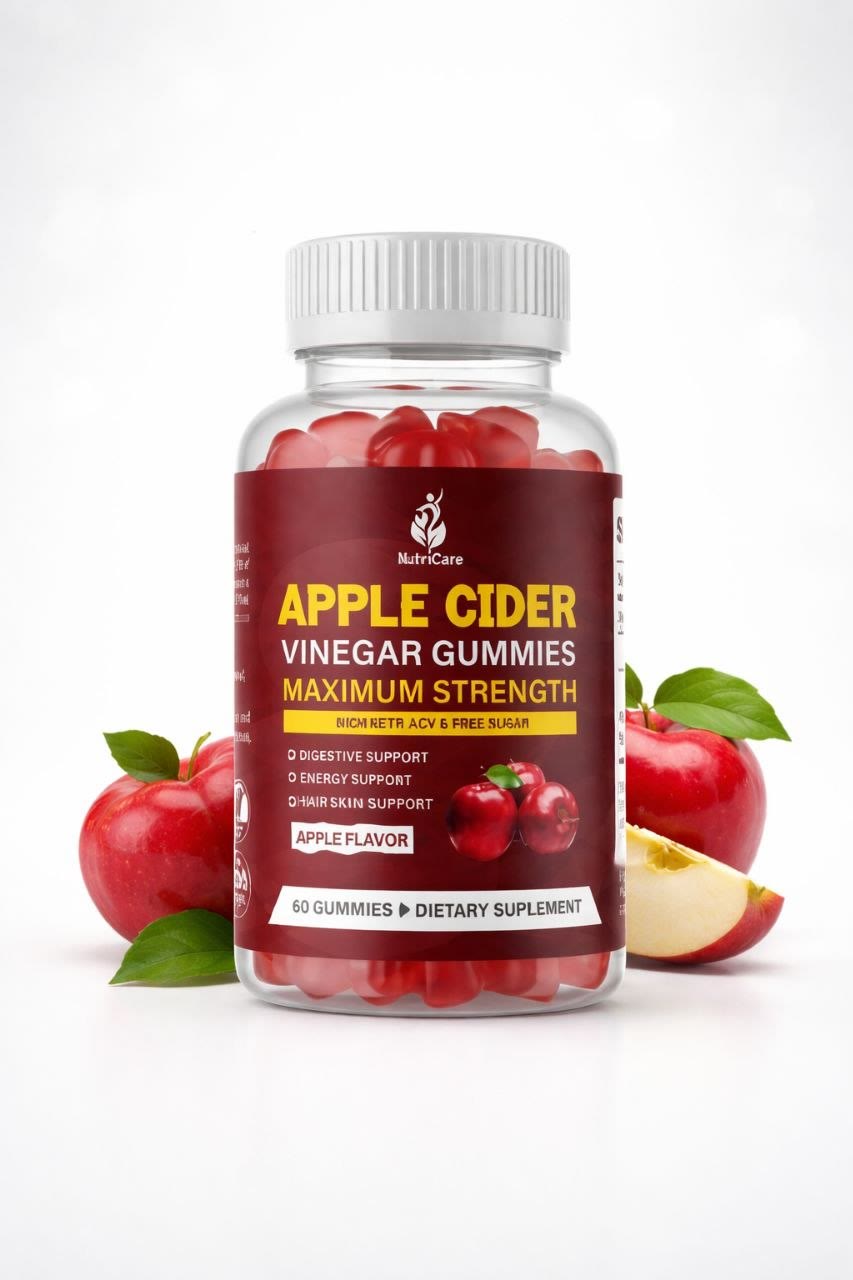
This is the honest edge for gummies, and it is a practical one, not a magic one. Sugar-free ACV gummies deliver a pre-measured dose without the sour shot, without the enamel and throat concerns of swigging acidic liquid, and without any guesswork on amounts. For most people the deciding factor in whether ACV does anything is simply whether they keep taking it — and a pleasant, portable gummy is far easier to stick with than a bottle of vinegar.
Our apple cider vinegar gummies are sugar-free, vegan, and made in the USA, which keeps them compatible with low-sugar and calorie-controlled eating. Just remember the order of operations: the gummies support the habit, the deficit does the work. If you want a closer look at the gummy format specifically, see do ACV gummies help you lose weight.
The bottom line
Apple cider vinegar can offer a small assist with weight management — think a few pounds over a few months — and only when you are already eating in a calorie deficit. It is a minor helper, not a solution. Build the real habits first, then, if you like, add ACV. And if you go that route, sugar-free gummies are the easiest way to stay consistent without the sour taste or the acid on your teeth.
NutriCare Apple Cider Vinegar Gummies
Daily Wellness in Every Gummy — sugar-free, vegan, made in the USA. From $29.99.
See the gummies →