What Is Apple Cider Vinegar Good For?
Key Takeaways
- Apple cider vinegar has some real uses, but the evidence is tiered — stronger for a few things, weak or absent for the rest.
- The best-supported uses are culinary and a modest post-meal blood-sugar effect seen in some small studies.
- Claims around weight loss are mixed and modest at best — ACV is not a fat burner.
- Many popular claims — detox, "cleansing," curing conditions — are not supported by good evidence.
- Used sensibly at a label dose, ACV is a low-risk daily habit, not a cure — set expectations accordingly.
Apple cider vinegar is one of the most hyped items in the wellness aisle, which makes a plain question surprisingly hard to answer: what is it actually good for? The honest version is that ACV has a few genuine uses, a couple of modestly supported ones, and a long tail of popular claims that the evidence simply does not back. So instead of a single yes-or-no, here is a tiered guide — strongest evidence first, weakest last — with no overpromising.
The active component people care about is acetic acid, the same thing that gives vinegar its sharp taste. Most of the plausible effects trace back to it.
What is the evidence actually like?
Mixed, mostly. Many ACV studies are small, short, or done in specific groups, and results do not always replicate. That does not mean ACV is useless — it means the honest stance is "some modest, individual benefits" rather than "proven cure." Here is how the common uses stack up:
| Use | Evidence tier | Honest take |
|---|---|---|
| Cooking, dressings, food prep | Strong | Genuinely useful and well established |
| Modest post-meal blood-sugar effect | Moderate (mixed) | Some small studies; effect is small |
| Digestive comfort routine | Weak / individual | Some people like it; not proven |
| Weight loss | Weak / mixed | Not a fat burner; effects modest at best |
| Detox / cleansing | None | Not supported; your liver and kidneys detox |
| Curing illnesses | None | No; see a doctor for medical issues |
The better-supported uses
1. In the kitchen
This is the least glamorous and most solid answer: apple cider vinegar is a good cooking ingredient. It brightens dressings, marinades, and sauces, and it is a useful pantry acid. No controversy here at all.
2. A modest effect on post-meal blood sugar
Some small studies suggest vinegar taken with a carbohydrate-containing meal may blunt the post-meal blood-sugar rise a little. The key words are small and a little — this is a modest, mixed finding, not a treatment for diabetes. If blood sugar is a medical concern for you, work with your doctor; ACV is at most a minor supporting habit. We cover this carefully in do ACV gummies really work.
The weakly supported uses
Digestive comfort
Plenty of people take ACV before meals and report feeling a bit better afterward. The evidence is thin and largely anecdotal, but it is low-risk to try. Just treat it as a personal-preference routine, not a proven remedy.
Weight loss
This is the claim that sells the most product and holds up the least. The research is mixed and the effects, where seen, are modest — nowhere near enough to call ACV a weight-loss tool. Anyone selling it as one is overselling. A balanced diet and activity do the real work.
The claims that do not hold up
Some popular uses have essentially no good evidence behind them:
- "Detox" or "cleansing." Your liver and kidneys already handle this. A vinegar does not "flush toxins."
- Curing infections or diseases. ACV is not a treatment for medical conditions.
- Dramatic skin or "miracle" fixes. Undiluted vinegar on skin can actually cause irritation or burns.
If a claim sounds like a cure-all, that is your signal to be skeptical — including of any brand that makes it.
So is apple cider vinegar worth taking?
If you go in with realistic expectations, it can be a reasonable low-risk daily habit: a small possible upside, used at a sensible dose. If you are expecting it to melt fat, detox you, or replace medicine, it will disappoint — and those expectations are the main reason people feel let down by ACV.
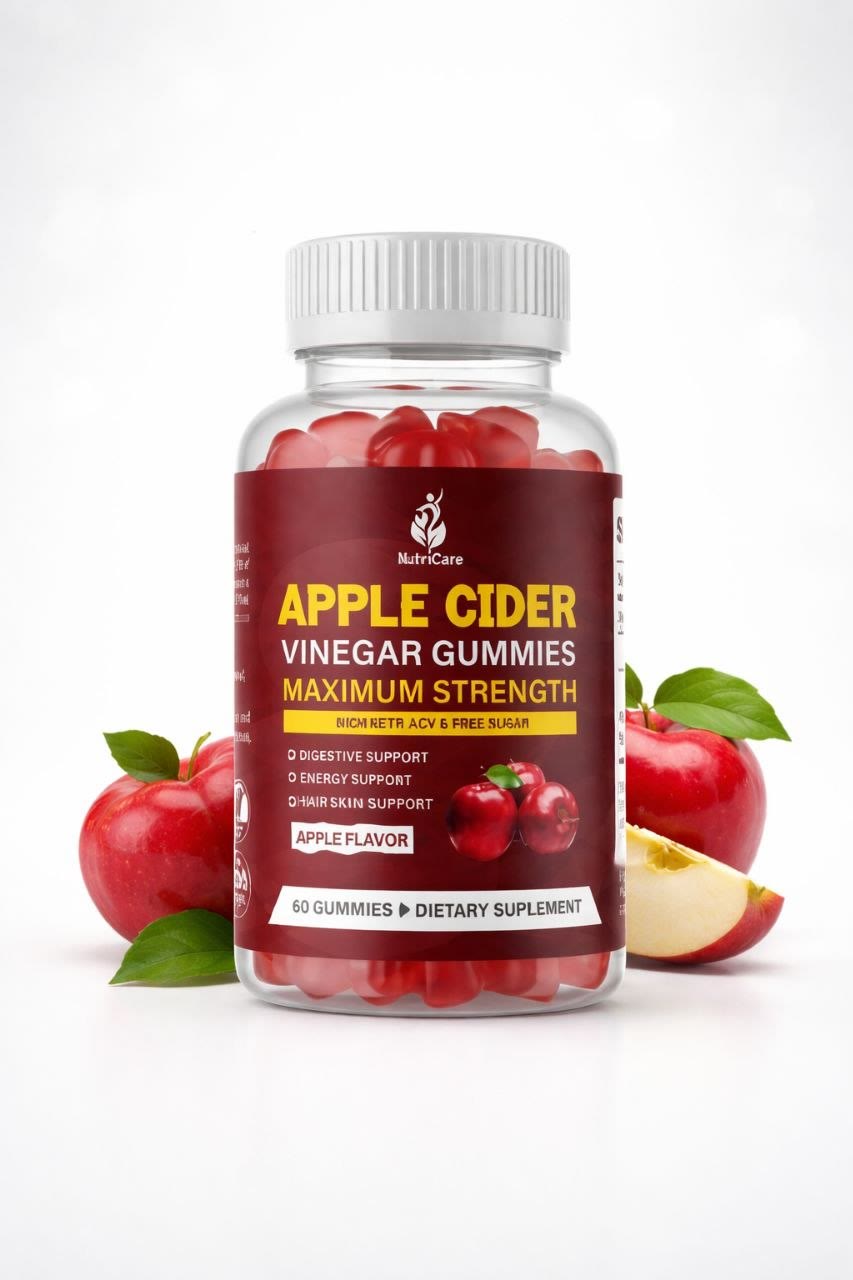
If you do want a daily ACV habit, a gummy makes it easier and gentler than sour shots. Our apple cider vinegar gummies are sugar-free, vegan, made in the USA, and made with the mother — a convenient way to keep the habit without added sugar or harsh acidity. We are deliberately careful not to promise more than the evidence supports.
What about "the mother" — does it add benefits?
You will often see ACV marketed as containing "the mother," the cloudy strands of beneficial bacteria, proteins, and enzymes left from fermentation. It is a real thing and many people prefer the less-processed product that includes it. The honest caveat is that strong human evidence specifically crediting the mother with extra health benefits is limited. It is a reasonable preference — a sign of a less-filtered, less-processed vinegar — rather than a proven upgrade. We unpack this in do ACV gummies have the mother.
Why does ACV get so overhyped?
Understanding the hype helps you read claims critically:
It is cheap, natural, and old
Vinegar has been used for centuries, which lends it a "time-tested remedy" aura. Long use is not the same as proven benefit, but it is persuasive.
A grain of real evidence gets stretched
The modest, mixed blood-sugar finding is genuine — and it gets inflated online into sweeping promises about weight, energy, and disease. The qualifiers ("small," "mixed," "modest") fall away in the retelling.
It is easy to sell
An affordable item with a wholesome image and a "could help with almost anything" reputation is a marketer's dream. That is exactly why a fair, tiered look matters — including being skeptical of brands, ours included, that promise too much.
Choosing an ACV product sensibly
If you decide ACV fits your routine, the practical choices are simple:
- Form: liquid is more concentrated; gummies are gentler and easier to keep up. See best ACV gummies for what to look for.
- Sugar: for a daily habit, sugar-free avoids adding daily sugar.
- The mother: a reasonable preference for a less-processed product.
- Dose and transparency: a clear supplement-facts panel beats vague marketing every time.
How to use ACV sensibly
- Stick to the label dose. More is not better and increases the risk of irritation.
- Do not sip undiluted vinegar. It is hard on teeth and throat; a gummy controls the acidity.
- Keep medical issues with your doctor. ACV is a habit, not a treatment.
How to read ACV claims like a skeptic
Because the category is so noisy, a few quick habits will protect you from most of the hype — whoever is making the claim:
- Watch for absolutes. Words like "cures," "melts," "detoxes," or "guaranteed" are red flags. Real evidence comes with qualifiers.
- Ask "compared to what, and by how much?" A genuine effect has a size. "May modestly reduce" is honest; "transforms" is not.
- Separate anecdotes from studies. Personal stories are easy to find and easy to cherry-pick; they are not the same as evidence.
- Be just as skeptical of brands as of bloggers. A company selling ACV has every reason to overstate it — hold its claims to the same standard, ours included.
Run those filters and most of the wilder ACV promises fall away, leaving the modest, honest picture: a useful kitchen ingredient and a low-risk daily habit with small possible benefits.
The bottom line
What is apple cider vinegar good for? Reliably, cooking. Modestly and with mixed evidence, a small post-meal blood-sugar effect. Weakly and individually, some digestive comfort. Not at all for detox, cures, or dramatic weight loss. Taken sensibly, it is a low-risk daily habit with small possible benefits — useful to some people, unremarkable to others, and never a miracle.
NutriCare Apple Cider Vinegar Gummies
Daily Wellness in Every Gummy — sugar-free, vegan, made in the USA. From $29.99.
See the gummies →