Does Apple Cider Vinegar Lower Blood Sugar?
Key Takeaways
- Blood sugar is apple cider vinegar's strongest evidence area — but the effect is still modest, not a treatment.
- The main finding: vinegar taken with or before a carb-rich meal can blunt the post-meal glucose spike and slightly improve insulin response.
- ACV is not a substitute for diabetes medication, diet, or a doctor's care — it is a small supporting habit at most.
- Important safety note: if you take insulin or other glucose-lowering medication, talk to your doctor first — combining them could push blood sugar too low.
- Gummies offer a gentle, pre-measured way to take ACV before meals without the sour taste or enamel and throat irritation of straight vinegar.
Of all the claims made about apple cider vinegar, blood sugar is the one with the most credible support. So the honest answer is a qualified yes: apple cider vinegar can modestly lower the blood sugar spike that follows a carb-heavy meal. The effect is real but small, and it is not a replacement for medication, diet, or medical care.
Here is what the research actually shows, where the limits are, and an important safety note if you take diabetes medication.
Can apple cider vinegar lower blood sugar after meals?
This is where ACV looks best. Several small human studies have found that taking vinegar with or just before a carbohydrate-rich meal can reduce the rise in blood glucose afterward and improve insulin sensitivity in that window. The likely reason is that acetic acid slows the rate at which the stomach empties and how quickly carbs are broken down, so glucose enters the bloodstream more gradually.
The practical takeaway: ACV may flatten the spike-and-crash from a big plate of pasta or bread. That is a modest, meal-specific effect — not a steady, all-day lowering of your blood sugar.
How big is the effect, really?
Honestly, modest. The studies are mostly small and short, and the improvements, while measurable, are not dramatic. ACV does not normalize blood sugar in someone with diabetes, and it does not lower your long-term A1c on its own in any reliable way. Think of it as a small nudge on a single meal, not a therapy.
It works best on high-carb meals and matters far less with a low-carb meal that would not spike you much anyway.
What about diabetes and insulin?
This deserves a careful, honest answer. For people with type 2 diabetes or insulin resistance, the post-meal effect is interesting, and some early research is encouraging. But ACV is not a treatment for diabetes. It does not replace metformin, insulin, dietary management, or your doctor's plan.
There is also a genuine safety concern. If you already take medication that lowers blood sugar — insulin, sulfonylureas, and others — adding something that further lowers glucose could push you too low (hypoglycemia). Talk to your doctor or pharmacist before combining ACV with any glucose-lowering medication. This is not a formality; it is the single most important point in this article.
Quick summary of the evidence
| Question | Honest verdict |
|---|---|
| Blunts post-meal glucose spikes? | Yes, modestly — its strongest evidence area. |
| Improves insulin response after a meal? | Some support in small studies. |
| Lowers long-term A1c on its own? | No reliable evidence. |
| Replaces diabetes medication? | No — never stop medication for ACV. |
| Safe to combine with insulin? | Ask your doctor first — risk of going too low. |
What is the best way to take ACV for blood sugar?
If your doctor is comfortable with it, the timing that matters is before or with a carb-containing meal — that is when the blunting effect happens. Taking it hours away from food does little for this purpose. For more on timing, see our guide on when to take ACV gummies.
- Before the meal: Take your ACV a few minutes before eating, especially before higher-carb meals.
- Consistency: The effect is per-meal, so it only helps the meals you actually pair it with.
- Pair with the basics: Fiber, protein, and a short walk after eating do far more for blood sugar than ACV does.
Why gummies instead of liquid for this?
Drinking straight vinegar regularly has real downsides: the acid can erode tooth enamel, irritate your throat and esophagus, and worsen reflux. For something you would take before meals often, that adds up.
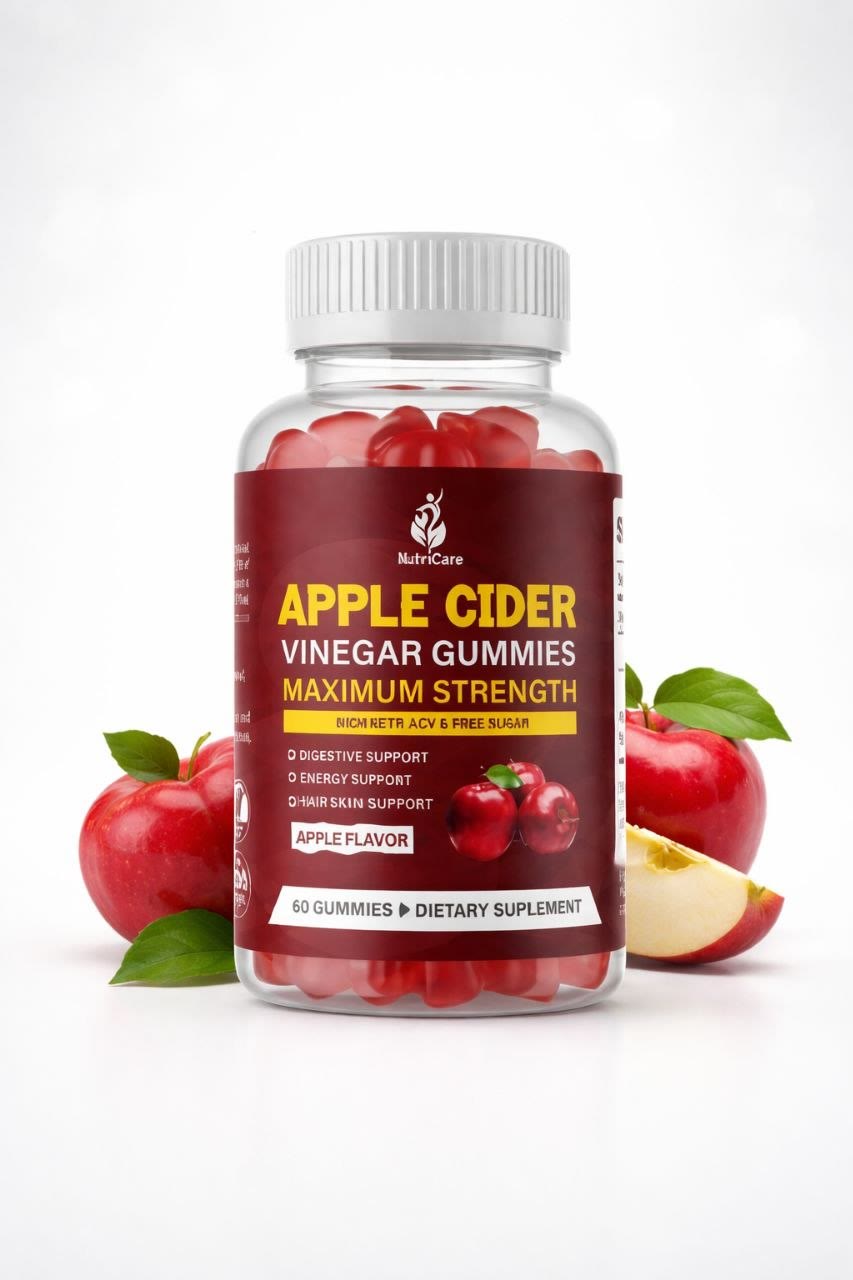
Gummies are gentler on teeth and throat, and each one is pre-measured, so your dose is consistent meal to meal. Our apple cider vinegar gummies are sugar-free — which is especially important here, because added sugar would work directly against your blood-sugar goal. They are vegan and made in the USA. For a fuller comparison, see ACV gummies vs liquid.
The bottom line
Does apple cider vinegar lower blood sugar? Yes, modestly — mainly by softening the spike after carb-heavy meals, which is the best-supported claim ACV has. But it is small, meal-specific, and not a treatment for diabetes. The most important takeaway: if you take any glucose-lowering medication, clear it with your doctor first. If you and your provider are comfortable, sugar-free ACV gummies taken before meals are a gentle, pre-measured way to add the habit without the downsides of straight vinegar.
NutriCare Apple Cider Vinegar Gummies
Daily Wellness in Every Gummy — sugar-free, vegan, made in the USA. From $29.99.
See the gummies →