Free Shipping on Orders $75+  •  GMP Certified  •  Made in the USA
HomeBlogACV Gummies vs Liquid Apple Cider Vinegar
ACV Guide

ACV Gummies vs Liquid Apple Cider Vinegar

By PureNutri-Care Editorial Team Updated Jun 23, 2026 7 min read
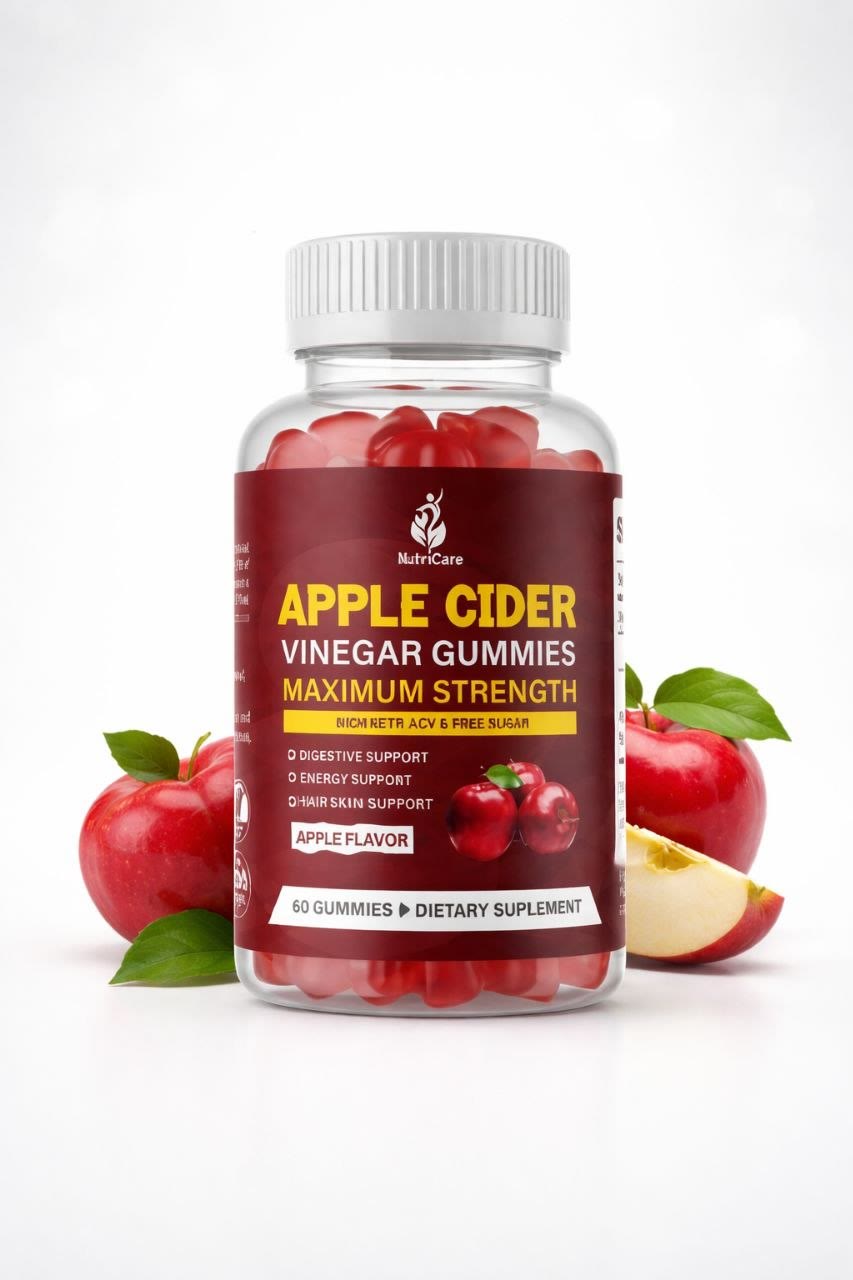
Apple cider vinegar gummies beside a bottle of liquid apple cider vinegar

Key Takeaways

ACV gummies vs liquid vinegar comparison
Liquid is more potent; gummies are the one most people keep taking.

ACV gummies and liquid apple cider vinegar both deliver the same core ingredient — the choice comes down to trade-offs. Liquid usually offers a larger, more measurable dose, while gummies are far gentler on your teeth and throat and much easier to take consistently.

Here is an honest, side-by-side look so you can pick the form that fits your life.

What is the difference between ACV gummies and liquid?

The difference is mostly format, not the basic ingredient. Liquid apple cider vinegar is the traditional form: fermented apple juice containing acetic acid, usually taken diluted in water. ACV gummies take apple cider vinegar (or concentrated ACV) and turn it into a chewable, flavored supplement with a fixed serving size.

Neither is a fundamentally different substance — both give you apple cider vinegar. What changes is the experience: taste, dose precision, cost, and how gentle each is on your body.

ACV gummies vs liquid: side-by-side comparison

FactorACV GummiesLiquid ACV
TastePleasant, fruity, easy to takeSharp, sour; many find it unpleasant
Dose of acetic acidSmaller, fixed per gummyOften larger and adjustable
Tooth enamelGentler — no acid bath on teethAcidic; can erode enamel if undiluted
Throat & stomachGentler, less burnCan irritate throat and stomach
ConveniencePortable, no measuring or mixingNeeds diluting; less travel-friendly
Cost per doseUsually higher per servingUsually cheaper per serving
ConsistencyEasy to stick with dailyEasy to skip due to taste

Are ACV gummies as effective as liquid?

Here is the honest answer: it depends on the dose. The studied active compound in apple cider vinegar is acetic acid, and liquid often delivers more of it per serving than a typical gummy. So gram-for-gram of acetic acid, liquid can offer a larger dose.

But "more acetic acid" only matters if you actually take it consistently — and the evidence for ACV's benefits overall is modest and mixed in either form. Apple cider vinegar is not a proven weight-loss solution or a cure for anything; the research on blood sugar response and appetite is limited and far from definitive. So the realistic comparison is not "which is dramatically more powerful," but "which one will you keep using." For many people, a gummy they enjoy beats a liquid they avoid.

Why gummies are gentler on teeth and throat

This is one of the clearest, most concrete advantages of gummies. Liquid apple cider vinegar is strongly acidic. Sipping it undiluted — or even diluted but frequently — can erode tooth enamel over time and irritate the throat, mouth, and esophagus. Dentists routinely caution against drinking straight vinegar for exactly this reason.

Gummies sidestep that problem. They are not a pool of acid washing over your teeth, and they are far easier on the throat and stomach. If you have sensitive teeth, acid reflux, or a delicate throat, apple cider vinegar gummies are a noticeably gentler way to include ACV in your routine. (With liquid, always dilute it in water and consider rinsing your mouth afterward to protect your enamel.)

Which should you choose?

It comes down to your priorities, and both are valid choices:

For most people balancing real life, consistency is the deciding factor, and that is where gummies shine. Our ACV gummies are sugar-free, vegan, and made in the USA, designed to make a daily apple cider vinegar habit easy and gentle. But if you genuinely prefer liquid and will stick with it responsibly, that is a perfectly good choice too.

The bottom line

ACV gummies vs liquid is a trade-off, not a clear winner: liquid can deliver more acetic acid per serving, while gummies are gentler on your teeth and throat and far easier to take consistently. Since the evidence for ACV is modest in either form, the smartest move is to pick the version you will realistically keep using — and to keep your expectations grounded.

NutriCare Apple Cider Vinegar Gummies

Daily Wellness in Every Gummy — sugar-free, vegan, made in the USA. From $29.99.

See the gummies →

Frequently Asked Questions

Are ACV gummies as good as liquid apple cider vinegar?
They deliver the same core ingredient, but liquid often provides a larger dose of acetic acid per serving. Gummies trade some of that for convenience and gentleness. Since consistency matters most and the evidence is modest for both, the better choice is the one you will actually keep taking.
Are ACV gummies gentler on teeth than liquid?
Yes. Liquid apple cider vinegar is strongly acidic and can erode tooth enamel and irritate the throat if undiluted or used often. Gummies avoid bathing your teeth in acid, making them noticeably gentler on teeth and throat.
Do ACV gummies have less acetic acid than liquid?
Often, yes. A typical gummy contains a smaller, fixed amount of apple cider vinegar than a measured spoonful of liquid. If maximum acetic acid per dose is your priority, liquid may suit you better.
Is liquid apple cider vinegar bad for you?
It is not inherently bad, but undiluted liquid ACV can damage tooth enamel and irritate the throat and stomach. If you use liquid, always dilute it in water and consider rinsing your mouth afterward.
Which is cheaper, gummies or liquid ACV?
Liquid apple cider vinegar is usually cheaper per serving. Gummies typically cost more per dose, with the trade-off being better taste, convenience, and gentleness on your teeth and throat.

Sources & Further Reading

Disclaimer: This article is for general informational purposes only and is not medical advice. Dietary supplements are not intended to diagnose, treat, cure, or prevent any disease. Consult a qualified healthcare provider before starting any supplement, especially if you are pregnant, nursing, taking medication, or have a medical condition.