Does Creatine Help Muscle Recovery?
Key Takeaways
- Creatine supports muscle recovery by helping your muscles rebuild their energy stores faster between and after sessions.
- Research suggests creatine can reduce markers of muscle damage and may ease delayed-onset muscle soreness (DOMS) for some people.
- It works best as a daily habit, not a single post-workout dose — your muscles need to stay saturated.
- Creatine helps you train harder and more often, which is itself a major driver of recovery and progress over time.
- A precise daily dose — like 5g from four gummies — keeps you consistent without measuring or loading.
If you train regularly, recovery is half the battle — and creatine is one of the few supplements with real evidence behind it here. Yes, creatine helps muscle recovery. It does this mainly by helping your muscles restore their energy supply faster, and research suggests it can lower markers of muscle damage and may reduce post-workout soreness for many people.
Below is how that works, what the studies actually found, and how to use creatine so recovery benefits show up.
How does creatine help muscle recovery?
Creatine helps recovery primarily by speeding up energy replenishment. Your muscles run short, intense efforts on a fuel called ATP, and creatine — stored as phosphocreatine — helps regenerate ATP quickly. The more phosphocreatine you have on board, the faster your muscles can recharge between hard efforts and after a session ends.
That faster energy turnover has knock-on effects: you can often complete more quality work in a session, bounce back sooner between sets, and recover better between training days. Over weeks, that adds up to more total productive training, which is one of the biggest drivers of strength and muscle gains.
| Recovery pathway | What creatine does |
|---|---|
| Energy (ATP) restoration | Helps regenerate ATP faster between and after efforts |
| Muscle damage markers | May lower indicators of damage after hard training |
| Soreness (DOMS) | Some studies show reduced soreness; results vary |
| Glycogen replenishment | May support muscle glycogen storage during recovery |
| Training capacity | Lets you train harder/more often, driving long-term progress |
Does creatine reduce muscle soreness and DOMS?
It may, though results are mixed. Delayed-onset muscle soreness (DOMS) is the stiffness and tenderness that shows up a day or two after hard or unfamiliar training. Several studies have found that creatine users report less soreness and lower markers of muscle damage after intense or eccentric exercise, suggesting a gentler recovery curve.
Not every study agrees, and the effect size varies between people and training styles. So the honest summary is: creatine is not a guaranteed soreness eliminator, but the evidence leans toward it helping, and it almost certainly does not make soreness worse.
What the muscle-damage research shows
After demanding sessions, your blood shows temporary rises in damage markers like creatine kinase. A number of trials have found these markers tend to be lower in people supplementing with creatine, which points to less exercise-induced muscle disruption and a quicker return to full capacity.
Does creatine help glycogen recovery?
There is reasonable evidence it can. Glycogen is your muscles' stored carbohydrate fuel, and it gets depleted during longer or harder training. Some research shows creatine supplementation supports greater muscle glycogen storage, particularly when paired with carbohydrate intake after exercise. Better glycogen replenishment means your muscles are refueled and ready sooner.
How creatine improves recovery indirectly
The most underrated recovery benefit of creatine is simply that it lets you do more good training without falling apart. By improving your capacity for repeated high-intensity efforts, creatine helps you:
- Recover faster between sets, so each set is higher quality.
- Maintain output across a session instead of fading early.
- Train more frequently because you recover better between days.
More productive, repeatable training is the engine behind long-term strength and muscle gains — and creatine quietly supports all of it. For the broader safety picture over months and years, see is creatine safe long term.
When should I take creatine for recovery?
Timing is less important than consistency. Because creatine works by keeping your muscles saturated, what matters is that you take it every day — not that you nail a perfect window. A daily dose keeps your phosphocreatine stores topped up so the recovery benefits are always available.
That said, some people prefer to take it post-workout alongside a meal, partly because pairing creatine with carbohydrates may aid uptake and glycogen storage. Either approach works. The best schedule is the one you will actually stick to. Our guide on how to take creatine gummies covers daily dosing in detail.
Do I need to load creatine for recovery benefits?
No. Loading just saturates your muscles a few days faster. A steady daily dose reaches the same saturation in about three to four weeks, with less risk of stomach upset. For recovery purposes, consistent daily intake over time is what counts.
How much creatine for recovery?
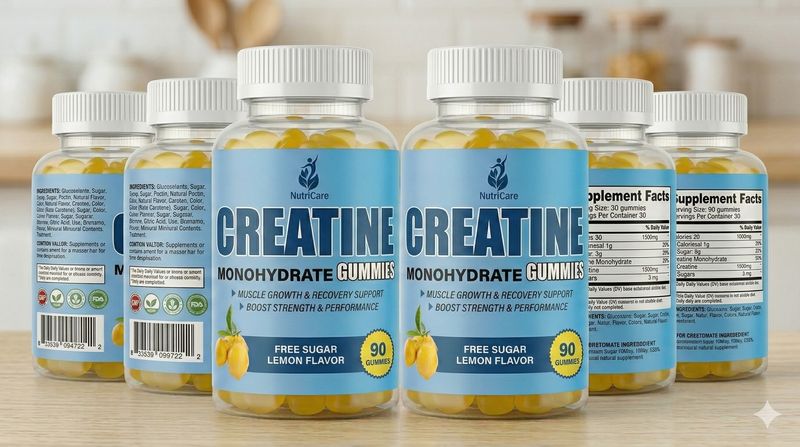
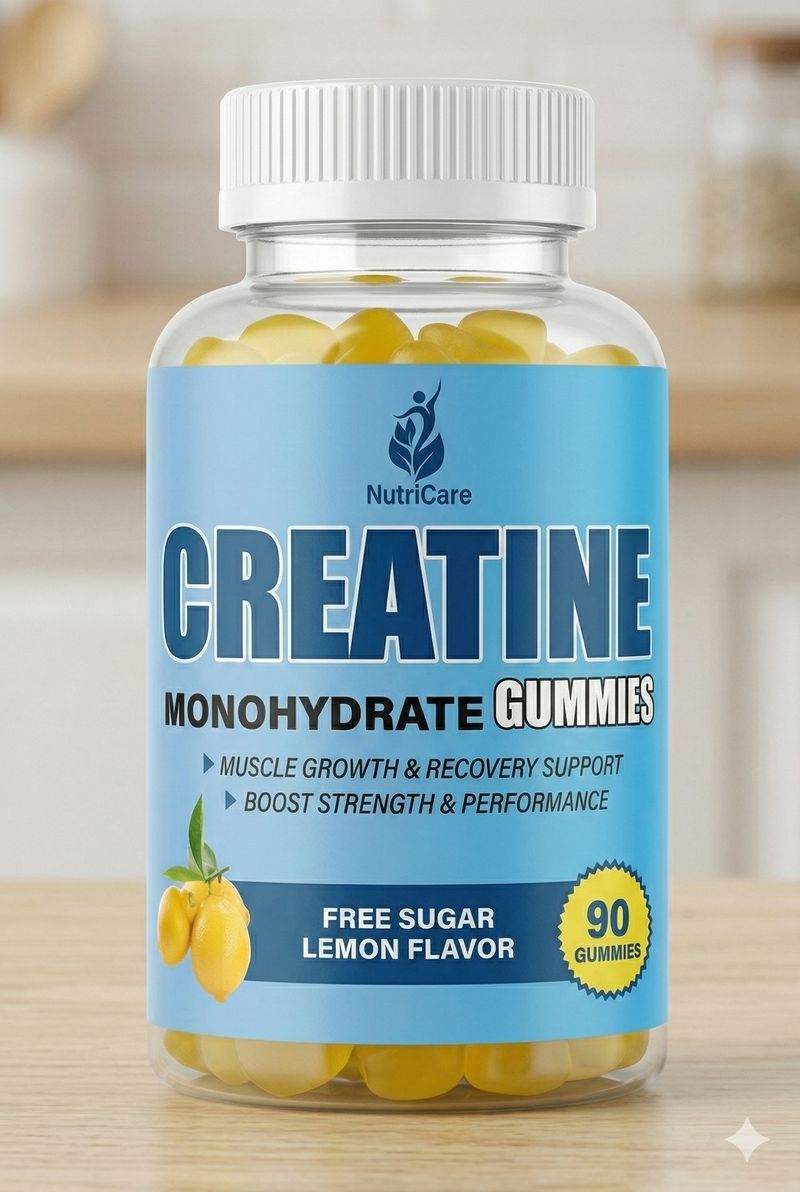
A standard daily dose is the well-studied amount used in most research — enough to keep your muscles saturated without overdoing it. The simplest way to stay consistent is a precise, portioned format. Our sugar-free creatine gummies deliver 5g of creatine monohydrate across four gummies, so you get a measured daily dose with no scooping, no loading, and no sour shaker drink to talk yourself out of. Consistency is what produces recovery results, and a format you enjoy makes consistency easy.
Who should check with a doctor first?
Creatine is well tolerated by most healthy adults, but talk to a healthcare provider before starting if you are pregnant or nursing, under 18, have a kidney condition, or take prescription medication. A quick check with your doctor or pharmacist resolves any individual concern.
The bottom line
Creatine genuinely supports muscle recovery: it helps your muscles restore energy faster, may lower damage markers and soreness, and supports glycogen replenishment — while letting you train harder and more often. Take a normal daily dose every day, pair it with good sleep and nutrition, and the recovery benefits build over weeks. No loading and no perfect timing required.
NutriCare Creatine Monohydrate Gummies
The Delicious Way to Build Muscle — sugar-free, vegan, made in the USA. From $39.99.
See the gummies →