Does Creatine Help You Lose Fat?
Key Takeaways
- Creatine is not a fat burner — it does not directly increase calorie burn or melt fat on its own.
- It helps fat loss indirectly by preserving lean muscle during a calorie deficit and fueling harder, more productive workouts.
- More lean muscle supports a slightly higher resting metabolism and a leaner, more toned look — this is the heart of body recomposition.
- Early scale increases are usually water inside muscle, not fat — this is harmless and often reverses or stabilizes.
- For fat loss, what matters most is a calorie deficit and resistance training; creatine is a supporting tool, not the main driver.
If you are trying to lean out, you have probably wondered whether creatine helps or hurts that goal. The honest answer: creatine does not directly burn fat, but it can absolutely support fat loss by protecting your muscle and powering better workouts. Understanding the difference is the key to using it well while you cut.
Let's separate the marketing myths from what the research actually supports.
Does creatine directly burn fat?
No. Creatine is not a thermogenic or a fat burner. It does not raise your metabolism the way caffeine or other stimulants might, and it has no mechanism to dissolve body fat. What creatine actually does is help your muscle cells regenerate ATP — the fuel for short, intense efforts like lifting and sprinting.
So if you are hoping a creatine gummy will torch calories while you sit on the couch, that is not how it works. Fat loss comes from a sustained calorie deficit. Creatine's role is to make the work you do around that deficit more effective.
How does creatine help you lose fat indirectly?
This is where creatine earns its place in a cutting routine. There are two main pathways.
1. It preserves lean muscle in a deficit
When you eat fewer calories, your body can break down muscle along with fat. Losing muscle is bad news: it leaves you weaker, slows your metabolism, and produces a "skinny-fat" rather than toned look. By supporting strength and training output, creatine helps you hold onto lean mass while the fat comes off — which is exactly what you want.
2. It fuels harder, more productive workouts
Creatine lets you squeeze out an extra rep or two and recover faster between sets. Over weeks, more training volume means a stronger stimulus to keep muscle and burn more energy. Better workouts in a deficit translate into better body composition.
Creatine and body recomposition
"Body recomposition" means losing fat and building or maintaining muscle at the same time, so your weight may barely move while your shape changes dramatically. Creatine is one of the most useful legal supplements for this goal because it directly supports the muscle side of the equation.
| Goal | What drives it | Creatine's role |
|---|---|---|
| Fat loss | Calorie deficit | None directly |
| Keep muscle while cutting | Protein + resistance training | Supports strength & recovery |
| Toned, lean look | Lower body fat + visible muscle | Helps maintain the muscle you reveal |
| Higher resting metabolism | More lean mass | Helps preserve that mass |
If you are new to creatine and want the dosing basics, our guide on the best time to take creatine covers timing and daily habits in detail.
But doesn't creatine make you gain weight?
Here is the part that confuses dieters. When you start creatine, you may see the scale go up by one to four pounds in the first couple of weeks. This is water drawn into your muscle cells, not body fat. It is harmless, and many people find it makes muscles look fuller, not softer.
If a higher scale number stresses you out during a cut, focus on the mirror, photos, and how your clothes fit instead. We break this down fully in our article on whether creatine makes you gain weight.
Should you take creatine while cutting?
For most people training hard in a deficit, yes — keeping creatine in during a cut is a smart move. It helps you preserve the muscle you worked to build, maintain gym performance even on lower calories, and protect the toned look you are chasing. You do not need to stop creatine just because you are losing fat.
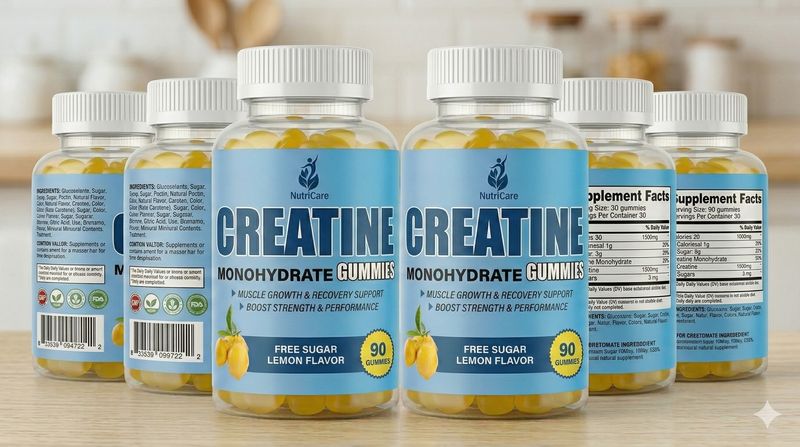
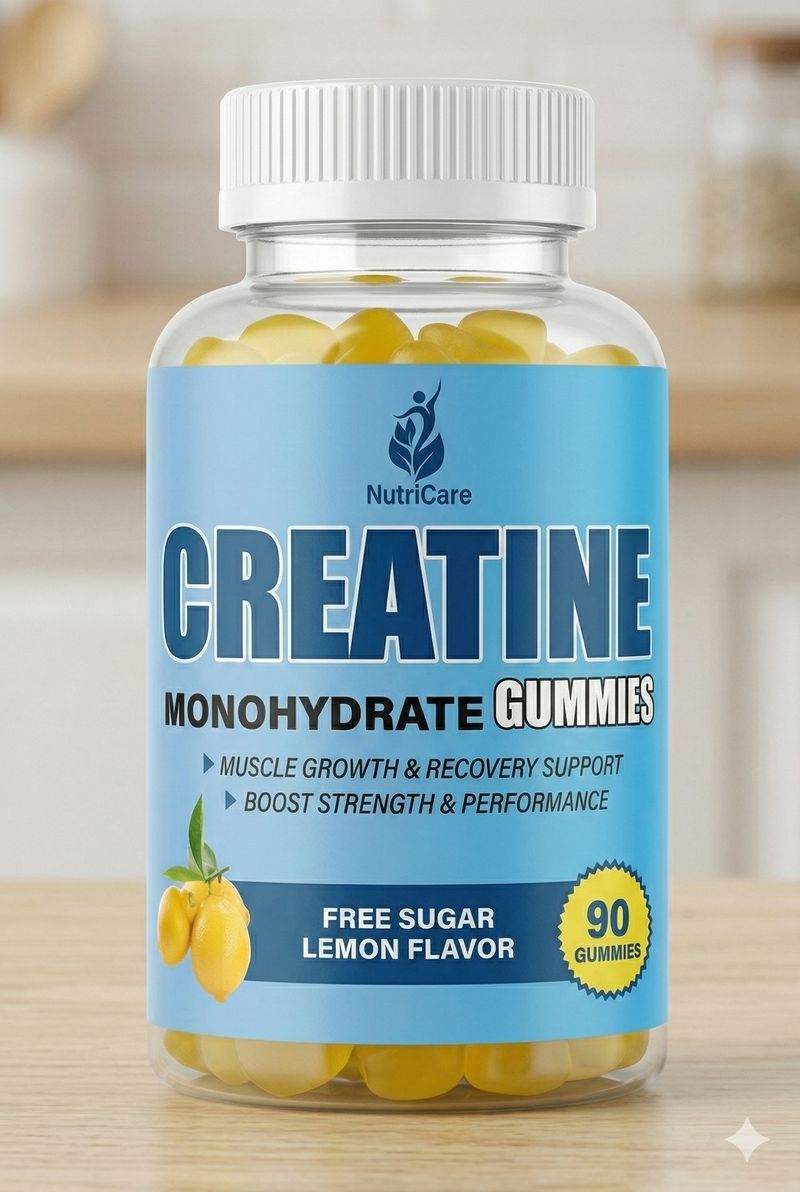
A simple approach: take creatine monohydrate gummies every day, hit your protein target, stay in a moderate deficit, and lift. Sugar-free, vegan gummies make daily consistency easy without adding carbs to your diet.
How much creatine for fat loss?
The same standard dose applies whether you are bulking or cutting: about 3 to 5 grams of creatine monohydrate per day. With gummies that deliver 5 grams per four-gummy serving, you simply take your serving daily and stay consistent. There is no special "fat-loss dose" — consistency is what makes creatine work.
You also do not need a loading phase to benefit during a cut. Loading (taking larger doses for the first several days) saturates your muscles a bit faster, but a steady daily serving gets you to the same place within a few weeks. While dieting, many people prefer to skip loading entirely to keep things simple and avoid any extra water-weight bump that might rattle them on the scale. Either approach works — pick whichever you will follow without thinking about it.
Common mistakes when using creatine to lean out
Creatine is forgiving, but a few avoidable errors can make people feel like it is "not working" during a cut. Watch out for these.
Expecting the scale to fall instantly
The early water increase inside your muscles can mask fat loss on the scale for a week or two. If you only judge progress by bodyweight, you may quit too soon. Track waist measurements, progress photos, and how your clothes fit alongside the scale, not instead of it.
Cutting calories too aggressively
An extreme deficit burns muscle along with fat no matter what supplement you take. Creatine helps preserve muscle, but it cannot rescue a crash diet. A moderate deficit paired with enough protein gives creatine the conditions it needs to protect your lean mass.
Dropping resistance training
Some people swap weights for endless cardio when they want to lose fat. That is backwards for body recomposition. Resistance training is the signal that tells your body to keep muscle while losing fat, and it is exactly the kind of training creatine fuels best. Keep lifting through your cut.
Stopping creatine because of "water weight"
Quitting creatine to avoid a pound of muscle water sacrifices the muscle-preserving benefit you actually want during a deficit. The water is harmless and lives inside the muscle, not under your skin. Stay the course.
What to pair with creatine for real fat loss
Creatine is a supporting player, so it works best inside a sound routine rather than on its own. The fundamentals that actually move body fat are simple, even if they are not always easy. Aim for a modest calorie deficit you can sustain, eat enough protein to protect muscle (most active people do well around 0.7 to 1 gram per pound of bodyweight), lift weights two to four times per week, and prioritize sleep so recovery and appetite stay in check. Creatine slots neatly on top of that foundation, helping you keep the muscle that makes the final result look lean and athletic rather than simply smaller.
Think of it this way: diet and training decide whether you lose fat, while creatine helps decide what your body looks like once that fat is gone. That is a meaningful role, just not the headline one the "fat burner" label implies.
The bottom line
Creatine will not burn fat for you, and anyone selling it as a fat burner is overselling it. What it does do is protect your lean muscle and power your training while you diet — which is exactly how it supports a leaner, more toned body. Pair daily creatine with a sensible calorie deficit and resistance training, and you have a recipe for real body recomposition.
NutriCare Creatine Monohydrate Gummies
The Delicious Way to Build Muscle — sugar-free, vegan, made in the USA. From $39.99.
See the gummies →