Free Shipping on Orders $75+  •  GMP Certified  •  Made in the USA
HomeBlogDoes Creatine Cause Dehydration or Muscle Cramps?
Safety

Does Creatine Cause Dehydration or Muscle Cramps?

By PureNutri-Care Editorial Team Updated Jun 23, 2026 7 min read
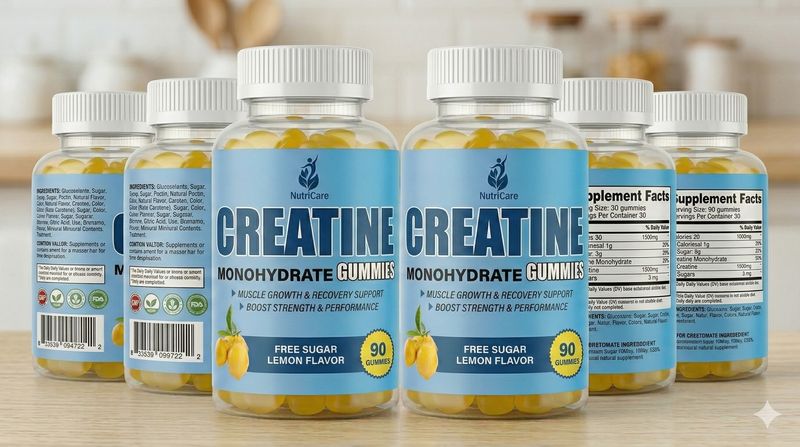
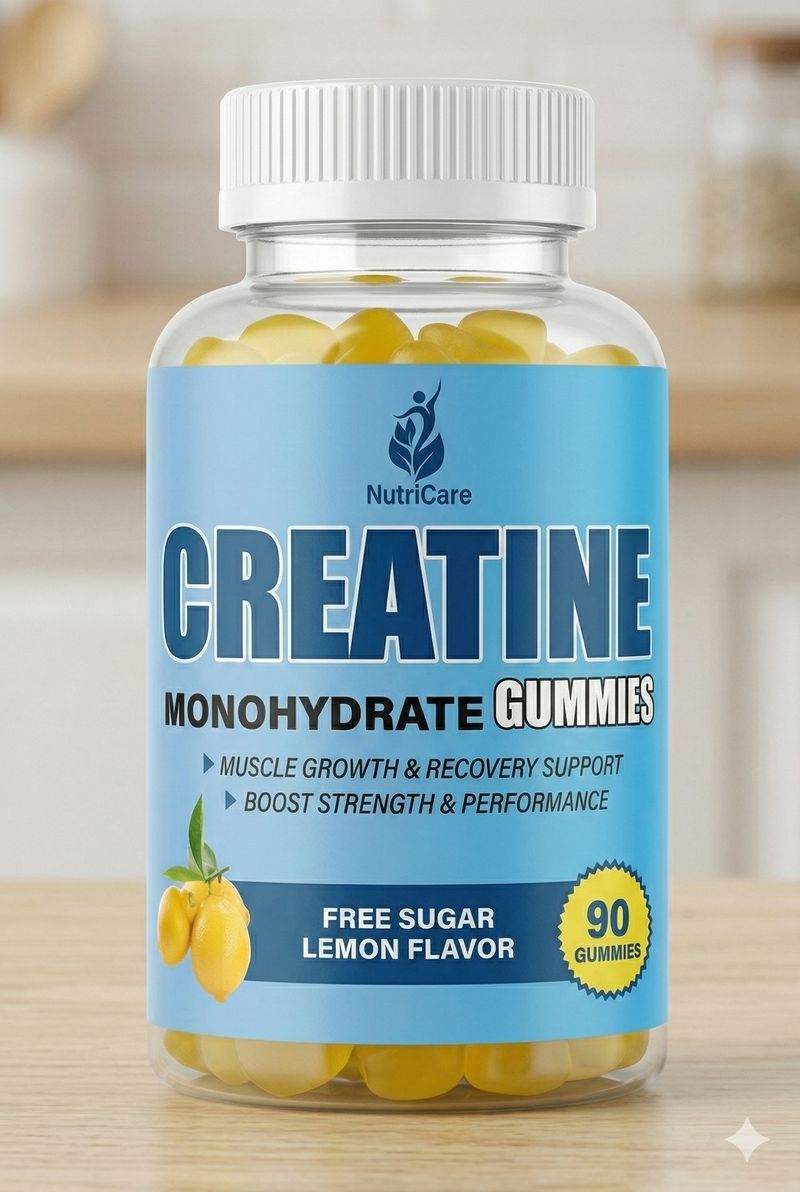
Sugar-free creatine monohydrate gummies on a light surface

Key Takeaways

One of the most stubborn creatine myths is that it dehydrates you and causes muscle cramps. It sounds plausible — creatine affects water in the body, so surely it must pull fluid away from somewhere. The reality is the opposite. Creatine does not cause dehydration or cramping. It actually draws water into your muscle cells, and controlled research has repeatedly failed to find any increase in cramps.

Let's walk through where this myth came from, what the studies actually show, and how to take creatine without worrying about your hydration.

Does creatine cause dehydration?

No — creatine does not dehydrate you. In fact, creatine increases the water content of your muscle cells. When creatine enters muscle tissue, it brings water molecules along with it, a process called cell volumization. This raises your total body water rather than lowering it.

The dehydration concern dates back to the late 1990s, when sports organizations issued cautious warnings based on theory: if creatine moves water into muscle, the thinking went, maybe it leaves less for the rest of the body, especially during hot-weather exercise. It was a reasonable hypothesis at the time. But when researchers actually measured it, the data did not support the fear.

What the research found

Studies measuring total body water, plasma volume, and core temperature during exercise in heat have not shown that creatine causes dehydration or impairs the body's ability to regulate temperature. If anything, the extra intramuscular water may offer a small buffer. The International Society of Sports Nutrition, after reviewing the evidence, concluded that creatine does not increase the risk of dehydration or heat illness in healthy people.

Does creatine cause muscle cramps?

No — creatine does not cause muscle cramps. This is one of the most directly tested claims in the whole creatine literature, and the results are consistent: cramping rates in creatine users are no higher than in non-users.

A well-known study of collegiate athletes tracked cramping, injury, and illness across a full season and found that the creatine group had fewer cramps, fewer injuries, and less missed playing time than athletes who did not use creatine. Cramps are usually driven by fatigue, electrolyte shifts, and overexertion — not by a saturated creatine store.

Myth vs. reality at a glance

The MythWhat Research Shows
Creatine dehydrates youIt increases total body water by drawing fluid into muscle cells
Creatine causes muscle crampsNo increase in cramping; some studies show fewer cramps
It raises your risk of heat illnessNo measured impairment of temperature regulation in healthy people
You need a special hydration planNormal daily water intake is sufficient

Why the water-weight confusion happens

In your first weeks on creatine, you may notice a small bump on the scale — often one to three pounds. That is the extra water now stored inside your muscles, and it is exactly the cell volumization that helps muscles look fuller and perform better. People sometimes misread that as "creatine is messing with my water balance," but it is the intended, harmless effect. If you want the full picture, see our guide on whether creatine makes you gain weight.

How to stay hydrated on creatine (it's simple)

There is no special protocol. The same hydration habits that serve any active person serve a creatine user:

Our creatine monohydrate gummies deliver 5g per 4 gummies, so you get a clean, measured daily dose without a powder or shaker. They are sugar-free, vegan, and made in the USA. For dosing details, see how to take creatine gummies.

When to check with a doctor

Creatine has a strong safety record in healthy adults, but talk to a healthcare provider first if you have a kidney condition or reduced kidney function, are pregnant or nursing, are under 18, or take medications that affect fluid balance. If you ever experience severe or persistent cramping, dizziness, or signs of true dehydration during exercise, stop and seek medical advice — those are training and hydration issues to address regardless of supplements.

The bottom line

The "creatine dehydrates you and causes cramps" warning is a leftover from early caution, not from evidence. The research is clear: creatine raises your body's water content, does not increase cramping, and does not impair heat regulation in healthy people. Drink normally, dose consistently, and you can use creatine monohydrate without hydration worries.

NutriCare Creatine Monohydrate Gummies

The Delicious Way to Build Muscle — sugar-free, vegan, made in the USA. From $39.99.

See the gummies →

Frequently Asked Questions

Does creatine dehydrate you?
No. Creatine draws water into your muscle cells, which increases total body water rather than depleting it. Controlled studies have not found that creatine causes dehydration in healthy people.
Does creatine cause muscle cramps?
No. Research consistently shows no increase in cramping among creatine users. One season-long study of athletes even found fewer cramps and injuries in the creatine group compared with non-users.
Do I need to drink extra water when taking creatine?
No special protocol is needed. Normal daily hydration — drinking to thirst, with a bit more during heat or hard training — is sufficient. Creatine does not require you to overdrink.
Why did I gain a couple of pounds after starting creatine?
That early weight is water stored inside your muscles, the cell volumization effect that helps muscles look fuller and perform better. It is harmless and not a sign of dehydration or water-balance problems.
Is creatine safe to use in hot weather?
For healthy people, studies have not shown that creatine impairs temperature regulation or increases heat-illness risk. Use the same sensible hydration you would in heat anyway. If you have a medical condition, check with your doctor first.

Sources & Further Reading

Disclaimer: This article is for general informational purposes only and is not medical advice. Dietary supplements are not intended to diagnose, treat, cure, or prevent any disease. Consult a qualified healthcare provider before starting any supplement, especially if you are pregnant, nursing, taking medication, or have a medical condition.