Free Shipping on Orders $75+  •  GMP Certified  •  Made in the USA
HomeBlogShould You Take Creatine With Food or on an Empty Stomach?
Daily Routine

Should You Take Creatine With Food or on an Empty Stomach?

By PureNutri-Care Editorial Team Updated Jun 23, 2026 8 min read
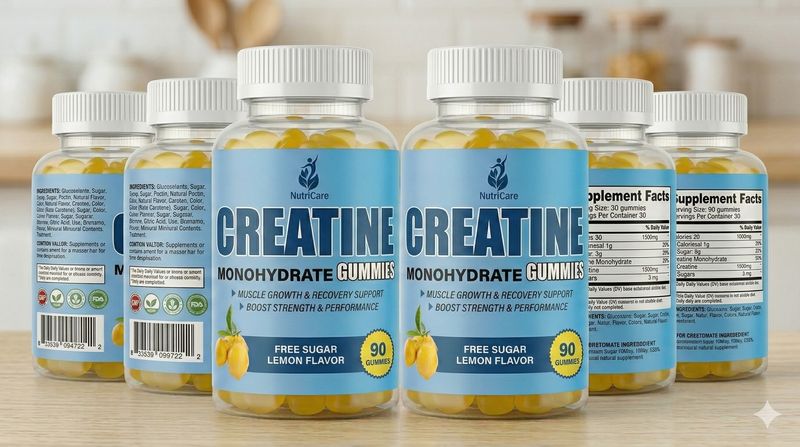
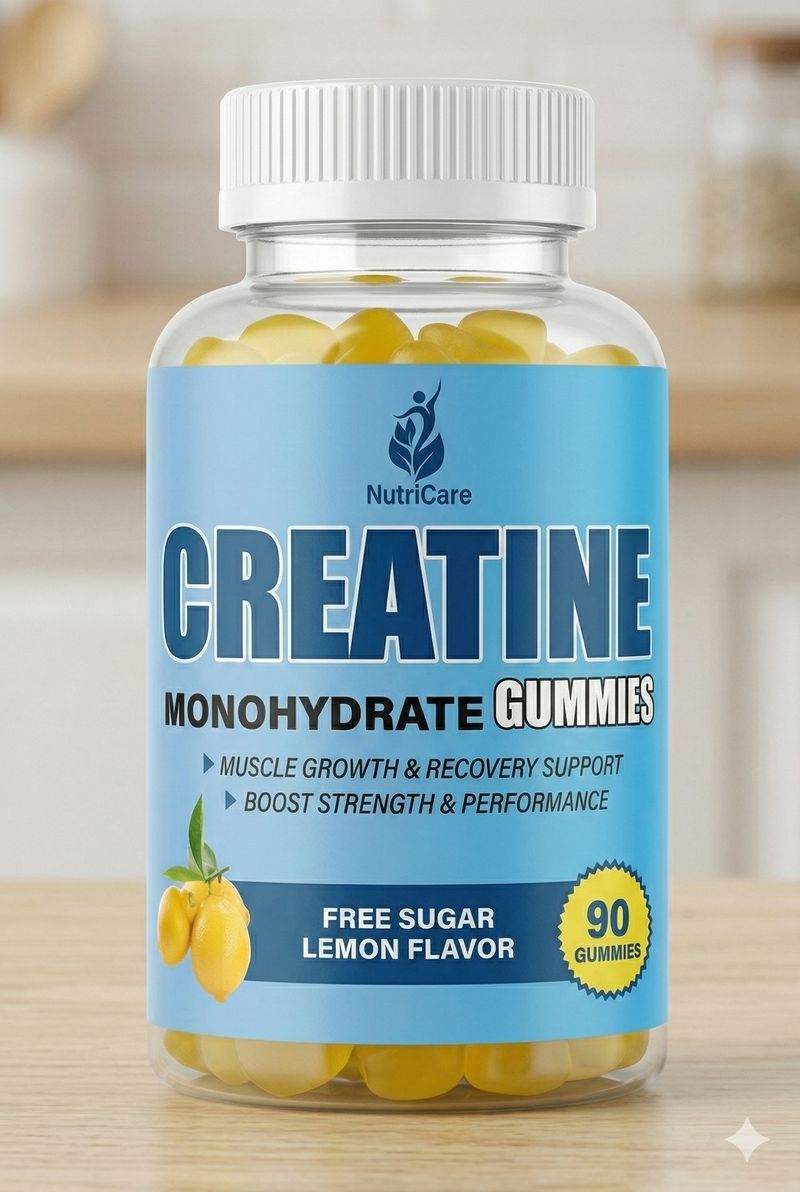
Sugar-free creatine monohydrate gummies served next to a balanced meal

Key Takeaways

One of the most common questions about creatine is whether it should be taken with a meal or on an empty stomach. The honest answer is reassuring: creatine is effective either way. Your muscles store it over time regardless of the exact moment you swallow it. That said, there is a small, practical case for taking creatine with food — and it has to do with how your body shuttles creatine into muscle cells.

Let's break down what actually happens, what the research suggests, and how pre-flavored gummies make this whole question simpler than it sounds.

Does creatine need to be taken with food?

No — creatine does not require food to work. Creatine monohydrate is absorbed well in the digestive tract on its own, and over days and weeks it accumulates in your muscle tissue regardless of whether your stomach was full or empty when you took it. The single most important factor is reaching your total daily dose consistently, day after day.

So if your only option some mornings is to take creatine on an empty stomach, that is completely fine. You will still saturate your muscle stores. The "with food" advice below is an optimization, not a rule.

Why taking creatine with food may help

When you eat carbohydrates — and to a lesser extent protein — your body releases insulin. Insulin does more than manage blood sugar: it also helps drive nutrients, including creatine, into muscle cells. Several studies have looked at combining creatine with carbohydrates and found that the insulin response can increase muscle creatine uptake compared with taking creatine alone.

In practical terms, this means taking your creatine alongside a normal mixed meal — one that contains some carbs and some protein — may give you a small edge in how efficiently it is stored. The effect is modest, not dramatic, and it does not change the ceiling of how much creatine your muscles can hold. But for people who want to squeeze out every bit of benefit, with food is a sensible default.

What "with food" really means

You do not need a special "creatine meal" or a sugary drink. A regular meal does the job:

Is it bad to take creatine on an empty stomach?

For most people, taking creatine on an empty stomach is perfectly safe and effective. The only real downside is that a minority of users report mild stomach discomfort, light nausea, or a slightly unsettled gut when they take creatine without anything else in their stomach. If that describes you, the fix is simple: take it with a meal or a snack.

If you have never had any issue taking creatine on an empty stomach, there is no reason to change. This is about comfort and a small absorption nudge, not about safety.

With food vs. empty stomach: side by side

FactorWith FoodEmpty Stomach
EffectivenessExcellentExcellent
Absorption / uptakePossibly slightly higher (insulin effect)Still fully effective
Stomach comfortBest for sensitive stomachsFine for most; may bother a few
ConvenienceEasy to pair with a mealEasy to do first thing
Best forOptimizers and sensitive stomachsAnyone who prefers fasted timing

As you can see, the columns are close. The decision comes down to comfort and habit far more than performance. For a fuller walkthrough of dosing, see our guide on how to take creatine gummies.

Does timing around your workout matter?

Timing relative to training is a smaller lever than people expect. Some research suggests a slight edge to taking creatine close to your workout (often post-workout, alongside your recovery meal), but the differences are minor. Because creatine works by saturating your muscles over time, taking it every single day matters much more than hitting a perfect pre- or post-workout window. If you want to dig into this, read our breakdown of the best time to take creatine.

So a clean, low-stress approach is: take your creatine with whichever meal you are most likely to remember — and if that meal happens to be near your workout, even better.

Why gummies make this effortless

Here is where the food question gets a lot simpler. Traditional creatine powder requires water, a shaker or glass, and stirring — and many people skip days because mixing is a hassle, or because the powder settles at the bottom and never fully dissolves. Pre-flavored creatine gummies remove all of that. There is nothing to mix, nothing to measure, and no gritty drink to choke down.

That convenience directly supports the one thing that actually drives results: daily consistency. You can chew your gummies with breakfast, after lunch, or alongside your post-workout meal — whichever fits your day. Because they are already flavored, you get your full creatine dose without water at all if you prefer, which makes "with food" or "after food" trivial to do anywhere.

Our creatine monohydrate gummies deliver 5g of creatine per 4 gummies, are sugar-free, vegan, and made in the USA, so they fit low-sugar and plant-based routines while still being easy to pair with any meal. To compare formats directly, see creatine gummies vs. powder.

So what should you actually do?

Keep it simple:

  1. Default to taking creatine with a normal meal that includes some carbs and protein — it is comfortable and may slightly improve uptake.
  2. Empty stomach is fine if you prefer it and it does not upset your gut.
  3. Take it every day, because consistency is what saturates your muscles and produces results over a few weeks.
  4. Use a format you will not skip — pre-flavored gummies make daily intake easy, mess-free, and portable.

The bottom line

Creatine works with food or on an empty stomach. Taking it alongside a meal with carbohydrates and protein may give a small absorption boost and is the gentler choice for sensitive stomachs, but it is not mandatory. The real win is consistency — and pre-flavored, sugar-free creatine gummies make daily, mess-free dosing simple no matter when or what you eat.

NutriCare Creatine Monohydrate Gummies

The Delicious Way to Build Muscle — sugar-free, vegan, made in the USA. From $39.99.

See the gummies →

Frequently Asked Questions

Should I take creatine with food or on an empty stomach?
Both work well. Taking creatine with a meal that contains carbohydrates and protein may slightly improve how much your muscles absorb, and it is gentler on sensitive stomachs. On an empty stomach it is still fully effective, so choose whichever is easier to do every day.
Does taking creatine with carbs really improve absorption?
Carbohydrates trigger an insulin response, and insulin helps drive creatine into muscle cells. Studies show this can modestly increase uptake compared with creatine alone. The effect is small but real, which is why taking creatine with a normal mixed meal is a reasonable default.
Is creatine on an empty stomach bad for you?
No. For most people creatine on an empty stomach is safe and effective. A small number of users notice mild stomach discomfort, which usually goes away if they take it with food or a snack instead.
Do creatine gummies need to be taken with water or food?
No. Pre-flavored creatine gummies require no water and no mixing — you simply chew them. You can take them with a meal for a possible absorption edge and added comfort, or on their own whenever it fits your day.
When during the day is best to take creatine gummies?
Any consistent time works because creatine builds up in your muscles over weeks. Many people take theirs with breakfast or alongside a post-workout meal. Daily consistency matters far more than the exact time of day.

Sources & Further Reading

Disclaimer: This article is for general informational purposes only and is not medical advice. Dietary supplements are not intended to diagnose, treat, cure, or prevent any disease. Consult a qualified healthcare provider before starting any supplement, especially if you are pregnant, nursing, taking medication, or have a medical condition.