Free Shipping on Orders $75+  •  GMP Certified  •  Made in the USA
HomeBlogCreatine Monohydrate vs HCl: Which Type Is Best?
Buying Guide

Creatine Monohydrate vs HCl: Which Type Is Best?

By PureNutri-Care Editorial Team Updated Jun 23, 2026 8 min read
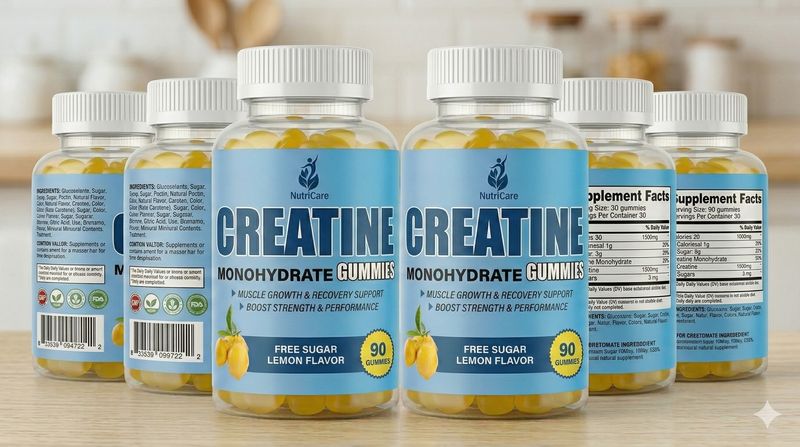
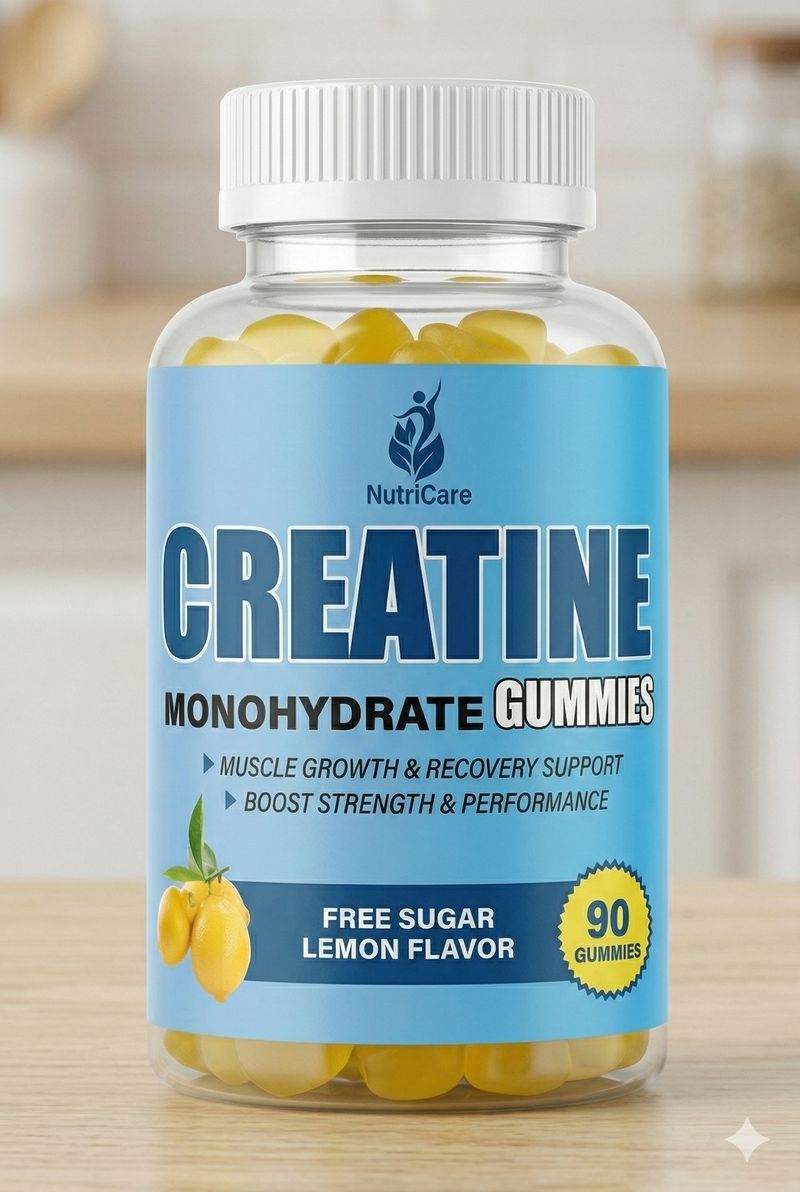
Sugar-free creatine monohydrate gummies shown from multiple angles

Key Takeaways

Walk down any supplement aisle and you will see creatine sold in several forms — monohydrate, hydrochloride (HCl), and others — each promising to be the "advanced" option. So which is actually best? For nearly everyone, creatine monohydrate is the best type: it is the most researched, the most proven, and usually the most affordable. Creatine HCl is a legitimate form, but it has not been shown to beat monohydrate where it counts.

Here is the honest, evidence-based comparison so you can choose with confidence.

What is the best type of creatine?

Creatine monohydrate is the best type of creatine for the overwhelming majority of people. It is the form used in the vast majority of the thousands of creatine studies, which means its benefits for strength, power, muscle, and recovery — and its safety record — are backed by more evidence than any other form. When researchers and sports-nutrition organizations make recommendations, monohydrate is what they point to.

That deep evidence base is exactly why our creatine gummies use creatine monohydrate: you get the form with the strongest science, in a convenient sugar-free, vegan, USA-made gummy.

What is creatine HCl?

Creatine HCl is creatine bound to hydrochloric acid, which makes it more water-soluble than monohydrate. Because it dissolves easily, it is often sold in smaller doses, and marketing claims it absorbs better and causes less bloating. Those are reasonable theoretical points — but the head-to-head research showing HCl produces better strength or muscle results than monohydrate simply is not there.

Solubility is not the same as superiority

Better solubility in a glass does not automatically mean better results in your muscles. Monohydrate is already absorbed well by the body — studies show it reliably saturates muscle creatine stores. The bottleneck for results is consistent daily intake, not the form's solubility.

Monohydrate vs HCl: side by side

 Creatine MonohydrateCreatine HCl
Research backingExtensive — the most studied formLimited by comparison
Proven resultsStrength, power, muscle, recoveryNot proven to beat monohydrate
SolubilityGood; dissolves with a little stirringHigher water-solubility
Typical dose3–5 g dailySmaller doses marketed
CostUsually the most affordableOften more expensive per serving
Safety recordStrong, long-term dataFewer long-term studies

What about bloating and stomach issues?

Some people report mild bloating during a high-dose monohydrate loading phase. The simple fix is to skip loading and take a steady daily dose instead — most people have no stomach issues at 3 to 5 grams a day. So the "HCl is gentler" pitch usually solves a problem you can avoid anyway by dosing sensibly. If you do choose to load, our guide on the creatine loading phase explains how to do it comfortably.

Does the form affect results?

For practical purposes, no — not in a way that beats monohydrate. Newer or "premium" forms like HCl, buffered creatine, and others are often marketed as upgrades, but controlled comparisons keep finding that monohydrate matches or outperforms them for the price. The biggest driver of results is taking creatine every single day so your muscles stay saturated — which is why we focus on making that habit easy.

Why monohydrate is the value winner

Because it is so widely produced and so well studied, monohydrate is typically the most affordable creatine per serving. You get the form with the most evidence behind it at the lowest cost — the best value in the category. Paying more for HCl buys you a marketing story, not proven extra results.

If you are weighing formats rather than forms, our creatine gummies vs powder comparison covers that decision, and best creatine gummies walks through what to look for in a quality product.

Which should you choose?

For nearly everyone — beginners and experienced lifters alike — creatine monohydrate is the smart pick: the most science, the most proven results, and the best price. Creatine HCl is not a bad product, but you would be paying more for benefits that have not been demonstrated over monohydrate. Our creatine monohydrate gummies deliver 5g per 4 gummies, sugar-free and vegan, so you get the gold-standard form in an easy daily dose.

When to check with a doctor

Creatine in any common form is well tolerated by most healthy adults, but talk to a healthcare provider before starting if you have a kidney condition or reduced kidney function, are pregnant or nursing, are under 18, or take prescription medications. A quick check with your doctor or pharmacist settles any concern.

The bottom line

In the creatine monohydrate vs HCl debate, monohydrate wins on the things that matter: research, proven results, and cost. HCl is more soluble and uses smaller doses, but it has not been shown to work better. Choose the most-studied, best-value form — creatine monohydrate — and stay consistent every day.

NutriCare Creatine Monohydrate Gummies

The Delicious Way to Build Muscle — sugar-free, vegan, made in the USA. From $39.99.

See the gummies →

Frequently Asked Questions

Is creatine monohydrate or HCl better?
Creatine monohydrate is better for most people. It is the most researched and most proven form and is usually more affordable. Creatine HCl is more water-soluble but has not been shown to produce better strength or muscle results than monohydrate.
What is the best type of creatine to take?
Creatine monohydrate. It has the strongest evidence base for benefits and safety, and it offers the best value. It is the form recommended by sports-nutrition research and the form our gummies use.
Does creatine HCl cause less bloating than monohydrate?
Bloating is mostly linked to high-dose loading. Taking a steady 3 to 5 grams of monohydrate daily and skipping the loading phase avoids most stomach issues, so HCl is rarely necessary for comfort.
Is creatine HCl worth the extra cost?
Generally no. HCl typically costs more per serving but has not been shown to outperform monohydrate. You get better evidence-backed value from monohydrate.
Do creatine gummies use monohydrate or HCl?
Our creatine gummies use creatine monohydrate — the most researched and most proven form — delivering 5g per 4 gummies in a sugar-free, vegan, USA-made format.

Sources & Further Reading

Disclaimer: This article is for general informational purposes only and is not medical advice. Dietary supplements are not intended to diagnose, treat, cure, or prevent any disease. Consult a qualified healthcare provider before starting any supplement, especially if you are pregnant, nursing, taking medication, or have a medical condition.