Can You Take Too Much Creatine?
Key Takeaways
- Taking more creatine than your muscles can store is mostly wasteful, not dangerous — your body simply excretes the excess.
- There is no evidence of toxicity at normal doses in healthy adults, and your muscles have a fixed storage ceiling.
- Very large amounts mostly cause minor stomach upset, not poisoning — and that is avoidable.
- Once your muscles are saturated, extra creatine adds no benefit, so taking more is money down the drain.
- Precise dosing — like 5g from four gummies — makes it easy to take the right amount without guessing or oversized scoops.
It is a fair worry with any supplement: what happens if I take too much? With creatine, the answer is calmer than most people expect. Taking more creatine than your body needs is mostly wasteful rather than dangerous — your body excretes the excess, and there is no evidence of toxicity at normal doses in healthy adults.
Your muscles can only store so much creatine. Once they are full, extra creatine does not pile up or poison you; it gets filtered out and leaves your body. Below is exactly what "too much" means, what actually happens, and how to dose precisely so you never have to guess.
Can you actually overdose on creatine?
For healthy adults, there is no evidence of a toxic creatine "overdose" at the doses people normally use. Creatine has been studied extensively, including at higher intakes, without signs of poisoning in healthy people. Your body treats creatine like a stored fuel with a fixed tank size — once the tank is full, it stops adding more.
What people sometimes call "too much" is really just exceeding what your muscles can hold. The surplus is not stockpiled or turned harmful; it is converted to a waste product and removed by your kidneys. That is why simply taking a bigger dose does not give you bigger results.
What happens to the creatine your body does not use?
It gets excreted. Creatine that your muscles cannot store is broken down into a compound called creatinine and passed out in your urine. This is a normal, continuous process. It is also why a blood test may show a slightly higher creatinine reading in creatine users — that reflects the extra creatine being processed, not kidney damage. We cover that specific point in is creatine bad for your kidneys.
| Scenario | What actually happens |
|---|---|
| Normal daily dose | Muscles stay saturated; full benefit |
| Slightly more than needed | Excess excreted; no extra benefit |
| Large single dose | Possible mild stomach upset; excess excreted |
| Muscles already full | Extra creatine wasted, not stored |
| Toxic overdose | No evidence of this at normal doses in healthy adults |
What does happen if you take a very large amount?
The realistic downside is your stomach, not your safety. Taking a big amount of creatine at once — especially on an empty stomach — can cause mild GI symptoms like bloating, nausea, or loose stools. This is uncomfortable but temporary, and it is exactly the kind of issue that disappears when you take a sensible daily dose with food or water instead.
This is one reason the old high-dose "loading" protocols caused more stomach complaints: they front-load a lot of creatine quickly. Skipping loading and taking a steady daily amount avoids most of it. See how to take creatine gummies for a no-loading routine.
How much creatine is actually too much?
The practical answer is: more than your muscles can use is too much, because it adds no benefit. Your muscles have a saturation point, and once you reach it with consistent daily intake, additional creatine simply gets excreted. There is no advantage to taking double or triple the standard amount — you just pay for creatine that leaves your body unused.
More is not better
This is the key mindset shift. With many things, more means stronger effects. With creatine, more past the saturation point means nothing extra — except a higher chance of stomach upset and a faster-emptying bottle. The smart move is to hit the standard daily dose and stay consistent, not to chase a bigger number.
How long does creatine stay in your system?
If you stop taking creatine, your muscle stores gradually return to baseline over several weeks as the unused portion is excreted. There is no sudden buildup and no need to "flush" anything. This slow turnover is also why daily consistency matters more than any single large dose — you are maintaining a level, not spiking it.
Why precise dosing makes this easy
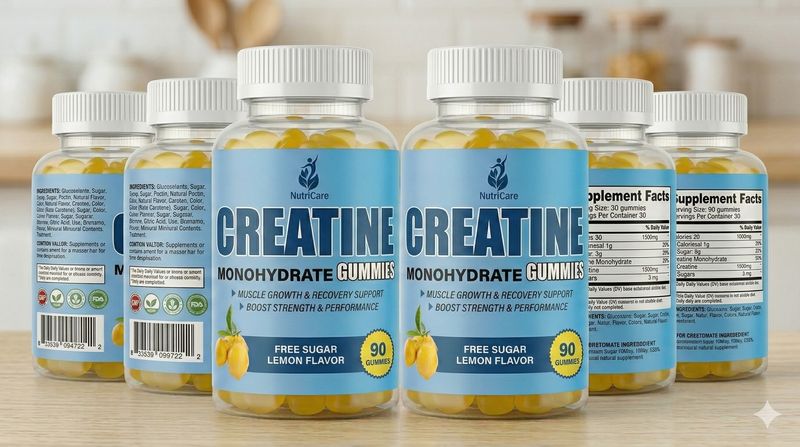
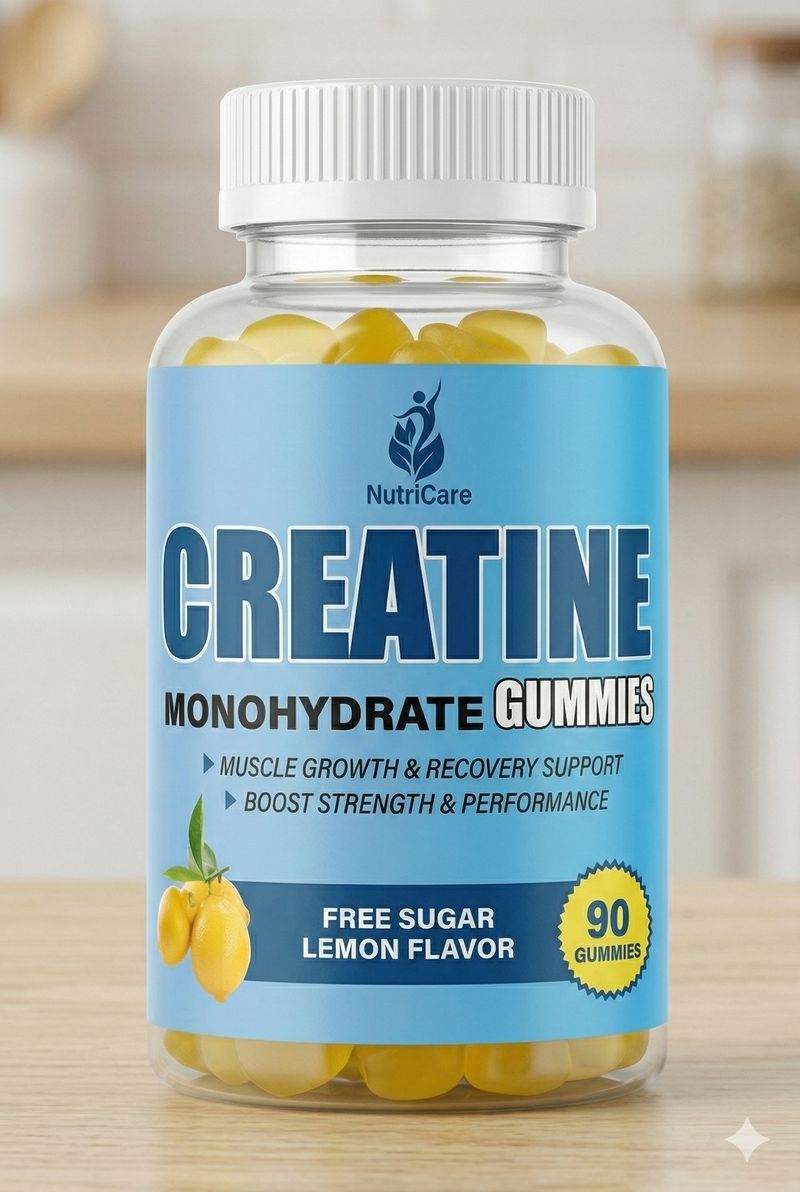
Most accidental "too much" situations come from eyeballing powder scoops, which are easy to overfill. A portioned format removes the guesswork entirely. Our sugar-free creatine gummies deliver a precise 5g of creatine monohydrate across four gummies, so you always know exactly how much you are taking. No heaping scoops, no measuring, no loading — just a consistent, measured daily dose.
That precision is genuinely useful here: when the dose is built into the format, it is hard to take too much by accident, and easy to stay in the well-studied range that delivers all the benefits with none of the waste.
Who should be more careful?
The general "excess is just excreted" picture applies to healthy adults with healthy kidneys. If you have kidney disease or reduced kidney function, are pregnant or nursing, are under 18, or take prescription medication, talk to your doctor before starting creatine and follow their guidance on dosing. When kidney function is impaired, the body's normal handling of excess creatine may be different, so medical advice matters.
The bottom line
You cannot meaningfully "overdose" on creatine at normal doses — your body excretes whatever your muscles cannot store, and there is no evidence of toxicity in healthy adults. Taking a very large amount mostly risks mild, temporary stomach upset, not harm, and it provides no extra benefit. Stick to a precise standard daily dose, stay consistent, and check with your doctor if you have a medical condition.
NutriCare Creatine Monohydrate Gummies
The Delicious Way to Build Muscle — sugar-free, vegan, made in the USA. From $39.99.
See the gummies →