Are ACV Gummies Bad for Your Teeth?
Key Takeaways
- Acid is what threatens enamel — and sipping liquid apple cider vinegar gives your teeth a far longer acid bath than a gummy ever could.
- ACV gummies are the gentler format: less concentrated acid, brief contact, no swishing sour liquid around your mouth.
- The bigger dental risk in many gummies is added sugar, which feeds cavity-causing bacteria — choose a low- or zero-sugar formula.
- Protect your enamel by chewing the gummy fully, then rinsing with water and waiting about 30 minutes before brushing.
- No supplement is "tooth-safe" by default — but a sugar-free gummy plus simple rinsing habits keeps the risk low.
It is a fair question, and one worth taking seriously. Apple cider vinegar is acidic, and acid is exactly what erodes tooth enamel over time. So are ACV gummies bad for your teeth? The honest answer: any acidic food or supplement carries some risk, but a chewable gummy is far gentler on your enamel than sipping liquid vinegar — and the bigger threat for many gummies is actually the added sugar, not the acid.
Let us break down what actually happens to your teeth, where the real risk lies, and the simple habits that keep your enamel safe.
Why is apple cider vinegar hard on teeth in the first place?
Tooth enamel is the hard, protective outer layer of your teeth. It is tough, but it does not regenerate once it is gone. Acidic substances — anything below a pH of about 5.5 — can soften and gradually dissolve enamel through a process called erosion. Apple cider vinegar is quite acidic, with a pH typically around 2 to 3.
The key factor is not just how acidic something is, but how long it stays in contact with your teeth. A quick exposure that gets cleared away does far less damage than acid that bathes your teeth repeatedly throughout the day. This is the single most important thing to understand about ACV and enamel.
Are gummies gentler on enamel than liquid ACV?
Yes — and this is the heart of the matter. When people drink straight or diluted apple cider vinegar, they often sip it slowly, swish it around, or take undiluted shots. That gives concentrated acid prolonged, direct contact with the entire surface of their teeth. It is essentially an acid bath, repeated daily.
A gummy works differently. The acetic acid is delivered in a fixed, modest amount inside a chewable base, you chew and swallow it within seconds, and there is no swishing of sour liquid. The contact time is short and the acid is far less concentrated against your enamel.
| Sipping Liquid ACV | ACV Gummies | |
|---|---|---|
| Acid concentration on teeth | High (often undiluted) | Low (buffered in gummy base) |
| Contact time with enamel | Long — sipping & swishing | Brief — chew and swallow |
| Throat & mouth irritation | Common (acid burn) | Minimal |
| Main dental concern | Acid erosion | Added sugar (if present) |
| Pre-measured dose | No — easy to overdo | Yes |
This is one of the main reasons people switch formats. Our full comparison of ACV gummies vs liquid apple cider vinegar covers the taste, dose, and comfort differences in more detail.
What is the real cavity risk with ACV gummies?
Here is the part that surprises people: for many gummy products, the larger dental threat is not the vinegar at all — it is added sugar. Sugar feeds the bacteria in your mouth that produce acid and cause cavities. A sugar-loaded gummy that sticks to your teeth can do more harm than the small amount of acetic acid inside it.
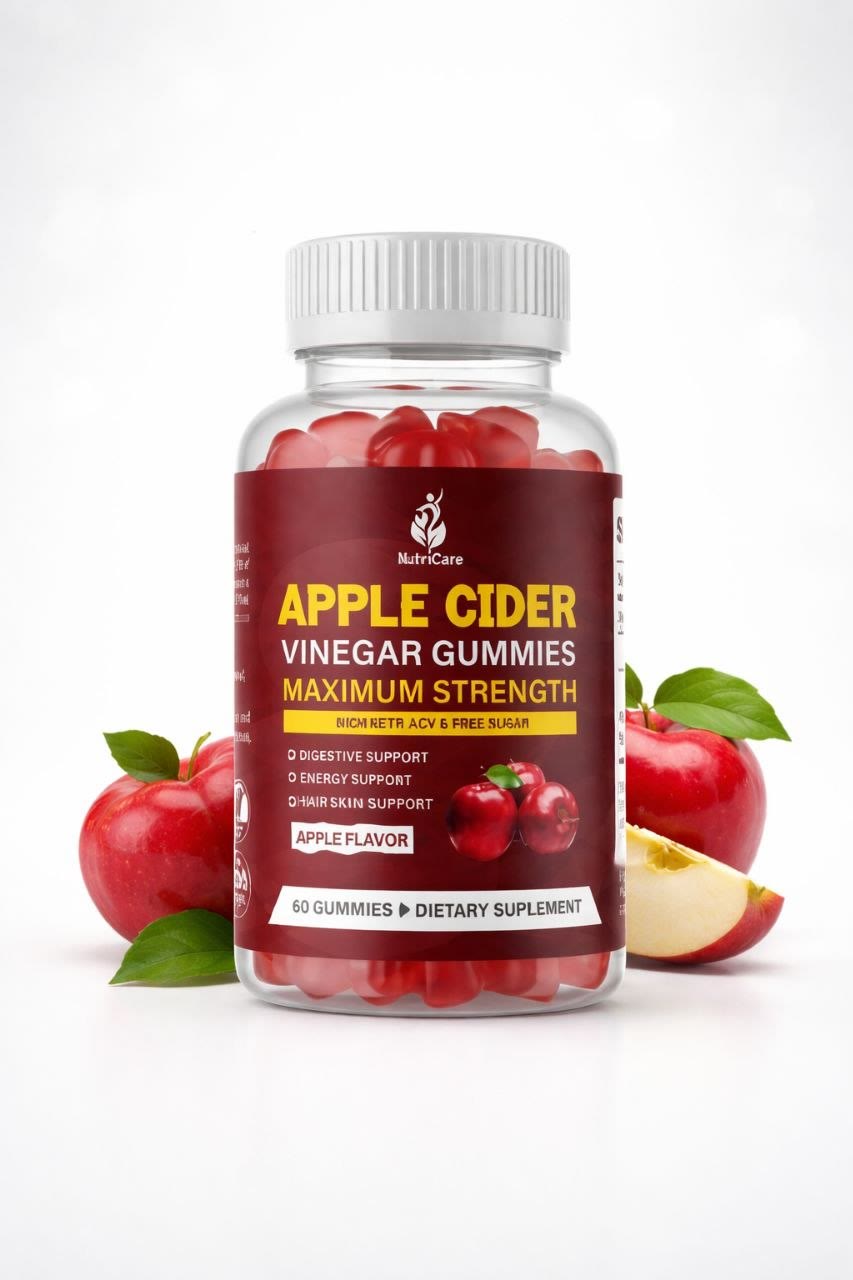
This is exactly why we make our apple cider vinegar gummies sugar-free. Removing the sugar takes the biggest cavity-driver off the table, leaving only the modest, short-contact acid exposure that any acidic food carries. A low- or zero-sugar ACV gummy is meaningfully gentler on teeth than a sugary one.
What to look for on the label
- Sugar content: choose sugar-free or very low sugar to protect against cavities.
- A clear, pre-measured ACV amount so you are not over-exposing yourself to acid by guessing.
- Simple ingredients without unnecessary sticky fillers that cling to teeth.
How can I protect my teeth when taking ACV gummies?
A few easy habits keep the risk very low:
- Chew the gummy fully and swallow. Do not let it sit dissolving against one spot on your teeth, and do not suck on it slowly.
- Rinse with water afterward. A quick swish of plain water helps clear residual acid and sugar from your mouth.
- Wait about 30 minutes before brushing. Brushing immediately after acid exposure can scrub softened enamel. Give your saliva time to neutralize the acid first.
- Stick to one serving. A pre-measured gummy makes this easy — you are not free-pouring concentrated vinegar.
- Keep up normal dental care and routine checkups, especially if you already have sensitive teeth or thinning enamel.
Should anyone avoid ACV gummies for dental reasons?
If you already have significant enamel erosion, frequent cavities, or diagnosed acid-related dental problems, talk to your dentist before adding any acidic supplement to your routine. They can tell you whether it fits your situation. For most people with healthy teeth, a sugar-free gummy taken once daily with a quick water rinse is a low-risk choice.
The bottom line
ACV gummies are not automatically "bad" for your teeth — but no acidic product is risk-free, and pretending otherwise would not be honest. The good news is that gummies are the gentler format: less acid, far shorter contact than sipping liquid vinegar, and no throat burn. The single biggest dental risk in many gummies is added sugar, which is why a sugar-free formula matters. Chew fully, rinse with water, wait before brushing, and stick to one serving — and you keep your enamel well protected while still getting your daily apple cider vinegar.
NutriCare Apple Cider Vinegar Gummies
Daily Wellness in Every Gummy — sugar-free, vegan, made in the USA. From $29.99.
See the gummies →