Apple Cider Vinegar for Inflammation and Joint Pain
Key Takeaways
- Human evidence for apple cider vinegar (ACV) and inflammation is limited and mostly indirect — much of what people repeat online comes from lab studies or personal anecdotes, not large clinical trials.
- The most plausible mechanism is steadier blood sugar from acetic acid, since chronically high blood sugar is linked to inflammation — but that is an indirect effect, not a proven anti-inflammatory drug action.
- There is no good evidence that ACV cures, treats, or reverses arthritis or any inflammatory joint disease.
- If you want to try it, treat ACV as a small daily wellness habit alongside diet, movement, and sleep — not as a replacement for medical care.
- Anyone with a diagnosed inflammatory condition or who takes medication should talk to a doctor first.
Search "apple cider vinegar for inflammation" and you will find confident promises sitting right next to cautious shrugs. So let us be straight from the start: the human evidence here is modest, mostly indirect, and often anecdotal. Apple cider vinegar (ACV) is a reasonable wellness habit for some people, but it is not a proven anti-inflammatory treatment, and it is not a substitute for medical care for arthritis or any inflammatory condition.
Here is an honest look at what is actually known, what is plausible, and what is wishful thinking.
Does apple cider vinegar reduce inflammation?
There is no strong human trial showing that apple cider vinegar directly lowers inflammation. The honest answer is that we do not have the data to say it does. Most of the enthusiasm traces back to two sources: laboratory (in-vitro) studies on acetic acid, and individual people who report feeling better. Neither of those is the same as a controlled study in humans showing a measurable drop in inflammatory markers.
What is reasonable to say is that ACV may play a small, indirect supporting role for some people — mostly through its effect on blood sugar, which we will get to below. That is a much more modest claim than "ACV fights inflammation," and it is the one the evidence actually supports.
What is the proposed mechanism?
The active component in apple cider vinegar is acetic acid. The most studied effect of acetic acid in humans is on post-meal blood sugar: small studies suggest vinegar taken with a carb-heavy meal can blunt the spike in blood glucose afterward.
Why does that matter for inflammation? Because chronically elevated blood sugar is associated with higher levels of inflammation in the body. So the logic runs: steadier blood sugar → potentially less glucose-driven inflammation over time. That is an indirect chain, not a direct anti-inflammatory action, and the size of the effect in real life is uncertain.
Where the evidence is honest vs. overstated
| Claim | Honest status |
|---|---|
| ACV may modestly steady post-meal blood sugar | Supported by small human studies |
| Steadier blood sugar may indirectly help inflammation | Plausible, but not directly proven for ACV |
| ACV directly lowers inflammatory markers in people | Not established — lab studies only |
| ACV treats or cures arthritis / joint disease | No — no credible evidence |
Can apple cider vinegar help joint pain?
This is one of the most common questions, and the honest answer is: there is no clinical evidence that apple cider vinegar relieves joint pain or treats arthritis. The reports you see are anecdotal. Some people genuinely feel better after adding ACV to a broader routine — but it is very hard to separate ACV from everything else they changed (diet, weight, hydration, activity), and a placebo effect is real and common with wellness habits.
If your joint pain is persistent, worsening, or affecting daily life, that is a medical issue worth a proper evaluation — not something to self-treat with vinegar. ACV is a wellness add-on at best, never a treatment.
How people use ACV as a daily habit
If you have realistic expectations and want to try it, the common approach is simple and modest:
- Pair it with a meal. Most blood-sugar studies used vinegar alongside a carb-containing meal, so taking ACV before or with food is the usual routine.
- Keep the dose sensible. More is not better. Drinking large amounts of straight vinegar can irritate your throat and erode tooth enamel.
- Be consistent and patient. If there is any benefit, it comes from a small habit repeated over time, not a single dose.
The honest case for gummies
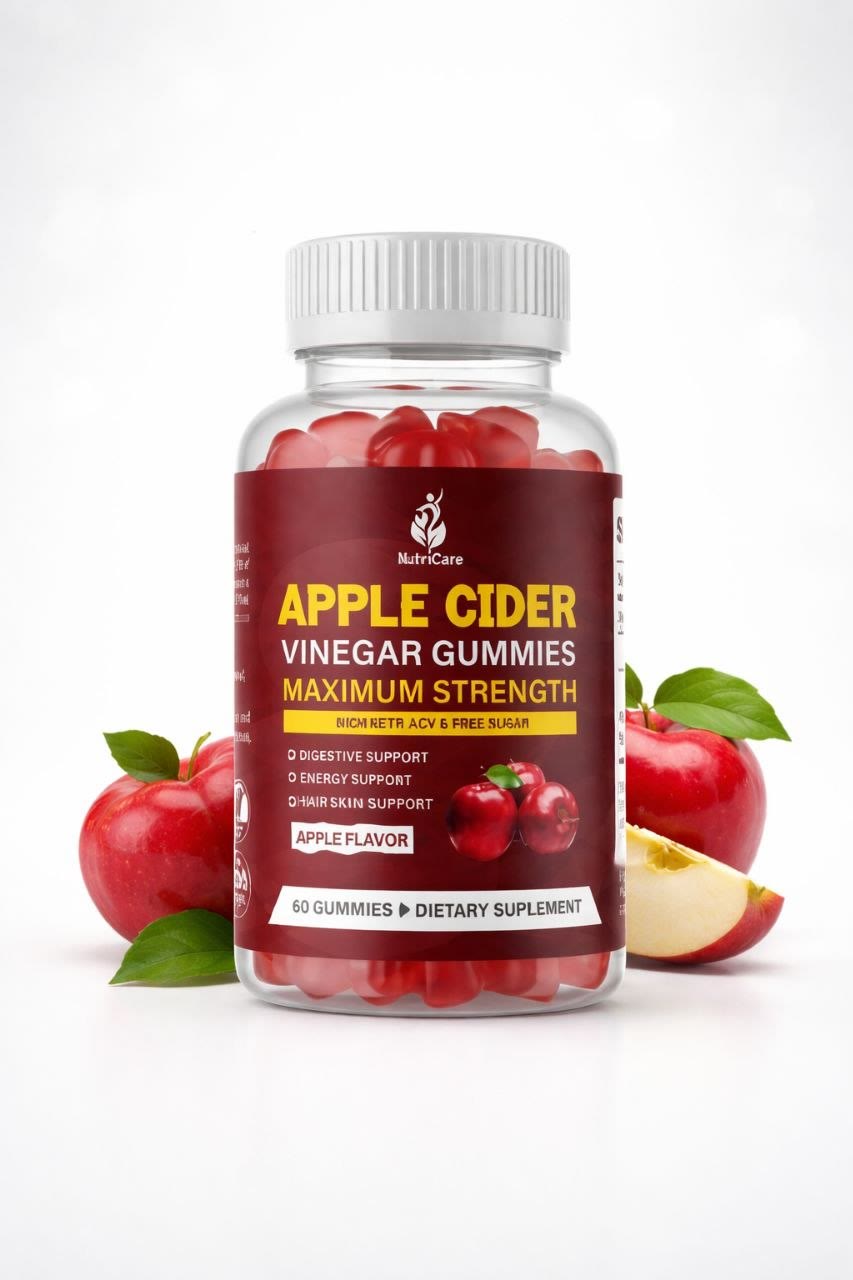
Liquid vinegar is acidic enough to bother teeth, throat, and a sensitive stomach, which is why a lot of people quietly quit. Gummies remove that friction and make a daily habit easier to keep — but be honest about the trade-off: a gummy is a convenience format, not a magic upgrade, and it will not deliver benefits the liquid lacks. Choosing sugar-free matters too, since added sugar works against the very blood-sugar angle that makes ACV interesting in the first place. Our sugar-free apple cider vinegar gummies are vegan and made in the USA, which makes a daily routine simpler to stick to.
Who should be cautious or check with a doctor first
Talk to a healthcare provider before relying on ACV if you are pregnant or nursing, have a diagnosed inflammatory or autoimmune condition, have low potassium, have acid reflux or other digestive issues, or take medications such as insulin, other diabetes drugs, or diuretics, since ACV may interact with them. If you have ongoing joint pain or inflammation, get it properly assessed rather than self-managing. For more on tolerability, see our honest rundown of ACV gummies side effects.
The bottom line
Apple cider vinegar is not a proven anti-inflammatory and it does not treat joint pain or arthritis. The most defensible benefit is an indirect one — steadier post-meal blood sugar — and even that is modest. If you enjoy it and tolerate it, ACV is a fine small wellness habit. Just keep it in its lane: a supporting routine, not a remedy, and never a reason to skip real medical care. To explore the broader picture, see our ACV gummies and what apple cider vinegar is genuinely good for.
NutriCare Apple Cider Vinegar Gummies
Daily Wellness in Every Gummy — sugar-free, vegan, made in the USA. From $29.99.
See the gummies →