Free Shipping on Orders $75+  •  GMP Certified  •  Made in the USA
HomeBlogApple Cider Vinegar for Hair Growth, Rinses & Dandruff
Beauty & Wellness

Apple Cider Vinegar for Hair Growth, Rinses & Dandruff

By PureNutri-Care Editorial Team Updated Jun 23, 2026 8 min read
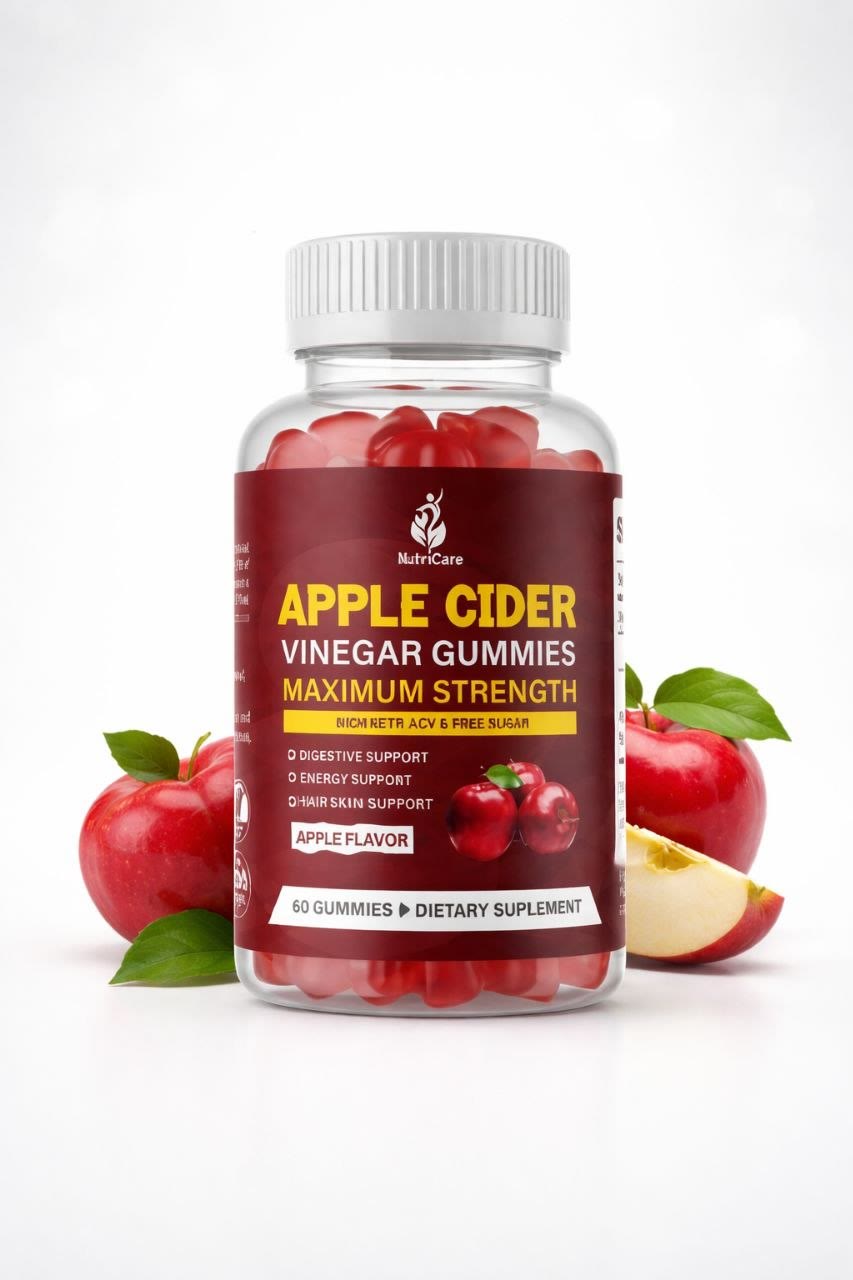
Apple cider vinegar gummies arranged in a flatlay alongside everyday wellness items

Key Takeaways

Apple cider vinegar shows up in a lot of DIY hair routines — rinses for shine, growth, and dandruff. Before you pour vinegar on your head or reach for a gummy expecting longer hair, here is the honest situation: the research behind ACV hair benefits is thin, and a gummy you swallow is not a scalp treatment at all. Both points matter, and we will keep them clearly separate.

Does apple cider vinegar make your hair grow?

There is no solid clinical evidence that apple cider vinegar grows hair or stops hair loss. The popular claims rest on indirect reasoning — that ACV's acidity balances scalp pH, clears product buildup, and creates "healthier conditions" for hair. That sounds plausible, and a clean, balanced scalp is genuinely a good thing, but "may create better conditions" is a long way from "grows hair." Anyone selling ACV as a hair-growth treatment is overstating what the science supports.

What can an ACV rinse actually do?

Used as a diluted rinse, ACV has a few modest, mostly cosmetic effects that some people notice:

ClaimHonest verdict
Removes product buildup (clarifying)Plausible — mild acid helps cut residue
Balances scalp pH / adds shineAnecdotal; some people like the result
Reduces dandruffWeak evidence; may help mild flaking, not a cure
Grows hair / stops hair lossNot supported by research

So a rinse might leave hair feeling cleaner and shinier for some people. That is a reasonable, low-stakes thing to try — just keep expectations in the "nice cosmetic effect" range, not "regrowth treatment."

Does ACV help with dandruff?

Dandruff is often linked to a yeast called Malassezia and to scalp inflammation. ACV's acidity is sometimes claimed to discourage that yeast, but the direct evidence in humans is weak. A diluted rinse may help with mild, occasional flaking for some people — but for persistent, itchy, or severe dandruff, proven options like medicated anti-dandruff shampoos (and a dermatologist's advice) are the honest recommendation, not vinegar.

If you try a rinse, dilute it

Undiluted apple cider vinegar is strongly acidic and can irritate the scalp and dry out hair. If you experiment, dilute heavily — a common ratio is a couple of tablespoons of ACV in a cup or two of water — apply after shampooing, leave briefly, and rinse out. Stop if you notice any stinging or irritation.

The important part: gummies are NOT a hair treatment

This is where we need to be especially clear, because it would be easy to blur the line. Apple cider vinegar gummies are an internal, everyday wellness product. They are not a topical scalp or hair treatment. Swallowing an ACV gummy does not apply vinegar to your follicles, does not act as a rinse, and is not a hair-growth product. We would be misleading you to suggest otherwise.

What gummies are good for is the rest of your daily ACV routine — a pre-measured, sugar-free way to include apple cider vinegar without the sour liquid, the enamel risk, or the throat irritation. If part of your interest in ACV is general wellness, that is the honest reason to consider a gummy. But for anything related to your scalp or hair specifically, a gummy is the wrong tool. Our apple cider vinegar gummies are made for internal daily wellness, not for your hair.

What actually supports healthy hair?

If hair growth or thickness is your real concern, here is where the evidence actually points:

For a broader, honest look at what ACV is and is not useful for, see what is apple cider vinegar good for.

The bottom line

The case for apple cider vinegar and hair is modest and mostly cosmetic: a diluted rinse may clarify buildup and leave hair shinier, but there is no good evidence it grows hair or cures dandruff. And crucially, ACV gummies are not a hair product — they are an internal wellness supplement. If you want a daily ACV routine without the sour, acidic liquid, a sugar-free gummy is a fine choice. For your scalp and hair, though, stick to a properly diluted rinse at most, and see a dermatologist for anything serious.

NutriCare Apple Cider Vinegar Gummies

Daily Wellness in Every Gummy — sugar-free, vegan, made in the USA. From $29.99.

See the gummies →

Frequently Asked Questions

Does apple cider vinegar really grow hair?
There is no solid clinical evidence that ACV grows hair or stops hair loss. The claims are based on indirect ideas like balancing scalp pH and clearing buildup. A clean scalp is good, but that is not the same as regrowing hair. Treat hair-growth claims as unproven.
Can ACV gummies help my hair?
No — and this is an important distinction. ACV gummies are an internal wellness product, not a scalp or hair treatment. Swallowing a gummy does not apply vinegar to your follicles. For hair specifically, a gummy is the wrong tool; for general daily wellness it is fine.
Is an apple cider vinegar rinse good for dandruff?
The evidence is weak. A diluted rinse may help with mild, occasional flaking for some people, but it is not a proven treatment. For persistent or severe dandruff, medicated anti-dandruff shampoos and a dermatologist are the honest recommendation.
How do I make an ACV hair rinse safely?
Always dilute heavily — a common approach is a couple of tablespoons of ACV in one to two cups of water. Apply after shampooing, leave briefly, then rinse out. Undiluted vinegar can irritate the scalp and dry out hair, so stop if you feel any stinging.
What actually helps with hair growth?
Good overall nutrition (adequate protein, iron, and key vitamins), gentle hair care, and treating the underlying cause of any thinning. For genuine hair loss, a dermatologist can recommend treatments with real evidence behind them.

Sources & Further Reading

Disclaimer: This article is for general informational purposes only and is not medical advice. Dietary supplements are not intended to diagnose, treat, cure, or prevent any disease. Consult a qualified healthcare provider before starting any supplement, especially if you are pregnant, nursing, taking medication, or have a medical condition.