Does Apple Cider Vinegar Kill Candida?
Key Takeaways
- Apple cider vinegar (ACV) does show antifungal activity against Candida — and this is one of its better-supported effects.
- The catch: most of that evidence comes from lab (in-vitro) studies, where vinegar is applied directly to fungal cultures — not from studies of people eating gummies or drinking vinegar.
- Killing Candida in a petri dish does not prove ACV clears a yeast infection or overgrowth inside the human body.
- A diagnosed yeast infection or suspected Candida overgrowth is a medical matter — see a doctor; do not self-treat with vinegar.
- As a general wellness habit, sugar-free ACV is reasonable — but treat the antifungal angle as promising-but-unproven in humans.
Of all the claims attached to apple cider vinegar, the antifungal one is actually among the more interesting — because there is real laboratory evidence behind it. But "interesting in a lab" and "works in your body" are two very different things, and a lot of online content blurs that line. So here is the honest version.
Yes, apple cider vinegar can kill Candida in lab conditions. Whether it does anything meaningful for a yeast infection or Candida overgrowth in a living person is much less certain.
Does apple cider vinegar kill Candida?
In the test tube, yes — and this is genuinely one of ACV's better-supported effects. Several in-vitro studies have shown that vinegar and its main component, acetic acid, can inhibit the growth of Candida species, including Candida albicans. Acetic acid is acidic and disrupts conditions that fungi need to grow, so it is not surprising that direct contact with vinegar slows them down in a dish.
That is the part that is true and worth acknowledging. The honest caveat is what comes next.
Why lab results do not equal real-world results
Here is the critical distinction. In a lab study, researchers apply vinegar directly to a fungal culture at a known concentration. When you eat an ACV gummy or drink diluted vinegar, the situation is completely different:
- The acetic acid is diluted by everything else you eat and drink.
- It is digested and metabolized, so it does not arrive intact at wherever Candida might be.
- It never reaches a fungal infection at the high, direct concentrations used in the lab.
So while it is accurate to say ACV has antifungal activity, it is not accurate to claim that taking ACV will clear a Candida infection in your gut, mouth, or elsewhere. That leap has not been demonstrated in human studies.
What the evidence does and does not show
| Claim | Honest status |
|---|---|
| ACV inhibits Candida in lab cultures | Supported by in-vitro studies |
| Acetic acid has antifungal properties | Reasonably well established in the lab |
| Eating ACV clears a yeast infection in people | Not demonstrated — no good human trials |
| ACV treats Candida overgrowth / cures thrush | No — this is a medical issue, see a doctor |
What about a "Candida cleanse" with ACV?
"Candida cleanses" built around apple cider vinegar are popular online, but they are not backed by solid clinical evidence. The idea of a widespread, symptom-causing "Candida overgrowth" treatable by diet and vinegar is controversial among medical professionals. If you genuinely have a yeast infection — oral thrush, a vaginal yeast infection, or a diagnosed systemic infection — these are treated with proper antifungal medication, not vinegar. Self-treating a real infection with ACV can delay effective care.
So is there any reasonable role for ACV here?
As a general wellness habit, sugar-free apple cider vinegar is fine for most people. There is a sensible logic to choosing sugar-free, too: yeast feed on sugar, so cutting added sugar is a reasonable dietary move on its own — and a sugar-free ACV gummy fits that better than a sugary one. Just be clear about the framing: this is about a tidy daily habit and overall diet, not about an ingredient that wipes out Candida inside you.
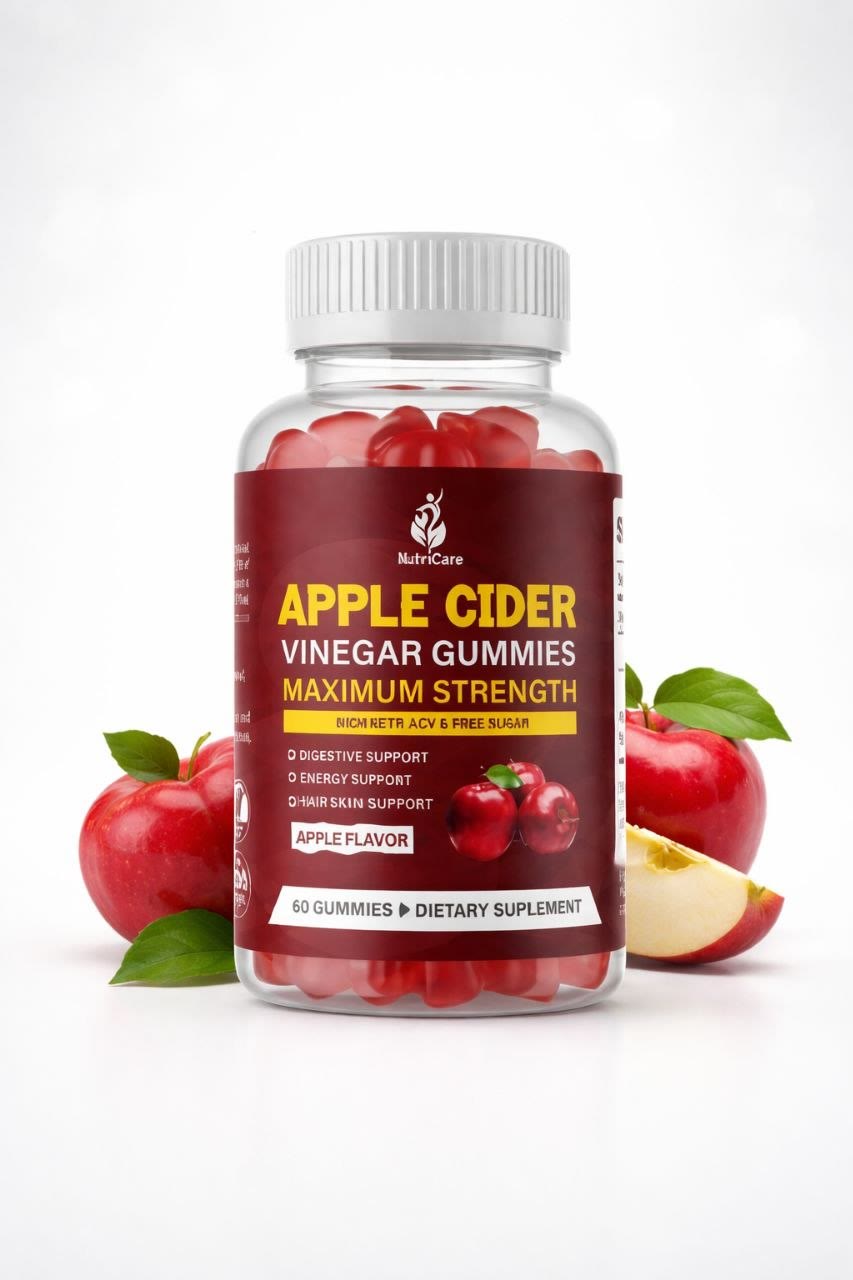
If you want a habit you will actually keep, our sugar-free apple cider vinegar gummies are vegan, made in the USA, and far gentler than swigging straight vinegar. For how ACV fits into everyday digestion and routine, see what apple cider vinegar is good for.
The honest gummy caveat
Gummies are a convenience format. They make the habit pleasant and protect your teeth and throat from acidity — but they do not concentrate the acetic acid or deliver it to fungal cells in any special way. Anyone selling ACV gummies as a "Candida killer" is overstating what the science supports.
Who should see a doctor instead
See a healthcare provider rather than relying on ACV if you have symptoms of a yeast infection (oral, vaginal, or skin), recurring infections, a weakened immune system, or diabetes, since these need proper diagnosis and antifungal treatment. Also check with a doctor before regular ACV use if you are pregnant or nursing, have acid reflux or low potassium, or take diabetes or diuretic medications, as ACV may interact with them.
The bottom line
Apple cider vinegar genuinely has antifungal activity against Candida — in the lab. That is real, and it is more than can be said for many ACV claims. But killing yeast in a dish is not the same as clearing an infection in a person, and no good human studies show ACV does the latter. Treat sugar-free ACV as a pleasant wellness habit, take any real infection to a doctor, and ignore anyone marketing a gummy as a Candida cure.
NutriCare Apple Cider Vinegar Gummies
Daily Wellness in Every Gummy — sugar-free, vegan, made in the USA. From $29.99.
See the gummies →