What Medications Interact With Apple Cider Vinegar Gummies?
Key Takeaways
- Apple cider vinegar (ACV) may interact with a few medication types — mainly insulin and other diabetes drugs, certain diuretics, and digoxin — largely through effects on blood sugar and potassium.
- The two mechanisms that matter most: ACV may nudge blood sugar lower and may contribute to low potassium, which can amplify some medications.
- Evidence on ACV is mixed and modest, and most concerns come from large, frequent doses — not occasional use. This is not medical advice.
- If you take prescription medication for diabetes, blood pressure, heart conditions, or kidney issues, talk to your doctor or pharmacist before adding ACV gummies.
- Gummies are pre-measured, which makes it easier to keep a consistent, modest daily amount to discuss with your provider.
Apple cider vinegar has a long history as a kitchen staple and a wellness habit, but if you take prescription medication, the more important question is whether it can interfere with your drugs. The honest answer: ACV may interact with a small number of medications, mostly through its effects on blood sugar and potassium. The evidence is mixed and the risk is generally tied to large, frequent doses — but it is real enough that anyone on the medications below should check with a doctor first.
This article walks through which medications are most commonly flagged, why, and how to use ACV gummies more sensibly. None of this is medical advice — it is a starting point for a conversation with your own healthcare provider.
What medications interact with apple cider vinegar?
The medications most often discussed in connection with apple cider vinegar fall into a few groups: diabetes medications (including insulin and metformin), certain diuretics ("water pills"), and digoxin (a heart medication). The common thread is not the vinegar itself reacting chemically with the drug — it is that ACV may shift two things in your body that these medications are sensitive to: blood sugar and potassium levels.
It is worth keeping perspective. Most reported issues involve people consuming large amounts of vinegar regularly. Still, because the consequences can matter for the medications below, caution and a doctor's input are the right call.
Quick-reference table
| Medication type | Examples | Why ACV may matter |
|---|---|---|
| Insulin | Rapid- and long-acting insulin | ACV may lower blood sugar; combined effect could push it too low |
| Other diabetes drugs | Metformin, sulfonylureas | Possible additive blood-sugar-lowering effect |
| Diuretics | Furosemide, thiazides | Both can lower potassium — combined, the drop may be larger |
| Digoxin | Lanoxin | Low potassium raises the risk of digoxin side effects |
How does ACV affect blood sugar and diabetes medication?
Some small studies suggest vinegar may modestly blunt the rise in blood sugar after a meal. That sounds helpful, but if you are already taking medication designed to lower blood sugar — such as insulin, metformin, or a sulfonylurea — adding something that may push in the same direction could, in theory, bring your blood sugar lower than intended (hypoglycemia).
The evidence here is modest and not consistent across studies, so this is not a reason to panic. It is a reason to coordinate. If you manage diabetes, your provider may simply want you to monitor your blood sugar more closely when you start ACV, or may advise against it. You can read more about the underlying topic in our overview of whether ACV lowers blood sugar.
Doctor's note: Never adjust your diabetes medication on your own based on ACV. Always involve your prescriber.
Why does potassium matter with diuretics and digoxin?
Potassium is the key to understanding the diuretic and digoxin concerns. Many diuretics ("water pills") cause your body to lose potassium. Very high, frequent vinegar intake has also been associated with lower potassium in some case reports. Stack those together and potassium could fall further than is healthy.
Low potassium is especially important for people on digoxin, a heart medication, because low potassium can increase the chance of digoxin side effects. This is exactly the kind of behind-the-scenes interaction you would not notice on your own — which is why a quick check with your doctor or pharmacist matters more than any blog.
Other things to mention to your provider
- Blood pressure and heart medications generally — because potassium and fluid balance can be involved.
- Kidney conditions — your kidneys regulate potassium, so any potassium shift is more sensitive.
- Any medication with a "narrow therapeutic window" — drugs where small changes matter, like digoxin.
Are ACV gummies safer than liquid vinegar for interactions?
The interactions above are about apple cider vinegar itself, so the active ingredient is the same whether it comes from a bottle or a gummy. That said, gummies have one practical advantage worth noting honestly: they are pre-measured. With liquid vinegar it is easy to pour a heavy, inconsistent dose day to day, and most interaction concerns scale with how much and how often you take it.
A pre-measured apple cider vinegar gummy makes it far easier to keep to a small, steady daily amount — the kind you can clearly describe to your doctor ("two sugar-free gummies a day") rather than "a few splashes in water." Gummies are also gentler on tooth enamel and the throat than straight acidic liquid. Convenience does not remove a medication interaction, but a consistent, modest dose is easier to manage and discuss.
How to use ACV gummies more safely if you take medication
- Talk to your doctor or pharmacist first. Bring your full medication list. This is the single most important step.
- Start low and keep it modest. Follow the label; do not "double up" thinking more is better.
- Watch for symptoms. Shakiness, dizziness, or unusual fatigue can signal low blood sugar or low potassium — contact your provider if they occur.
- Be consistent and trackable. Pre-measured gummies make it easy to report exactly what you take.
- Choose sugar-free if you manage blood sugar, so the gummy itself does not add sugar to the equation.
The bottom line
Apple cider vinegar is not a high-interaction substance for most healthy adults, but it is not interaction-free either. The medications that warrant real caution are insulin and other diabetes drugs, certain diuretics, and digoxin, mainly because of blood sugar and potassium. The science is mixed and most concerns involve heavy use. If you take any of these — or any prescription for diabetes, blood pressure, the heart, or your kidneys — ask your doctor before adding ACV gummies. A two-minute conversation is the safest supplement you can take.
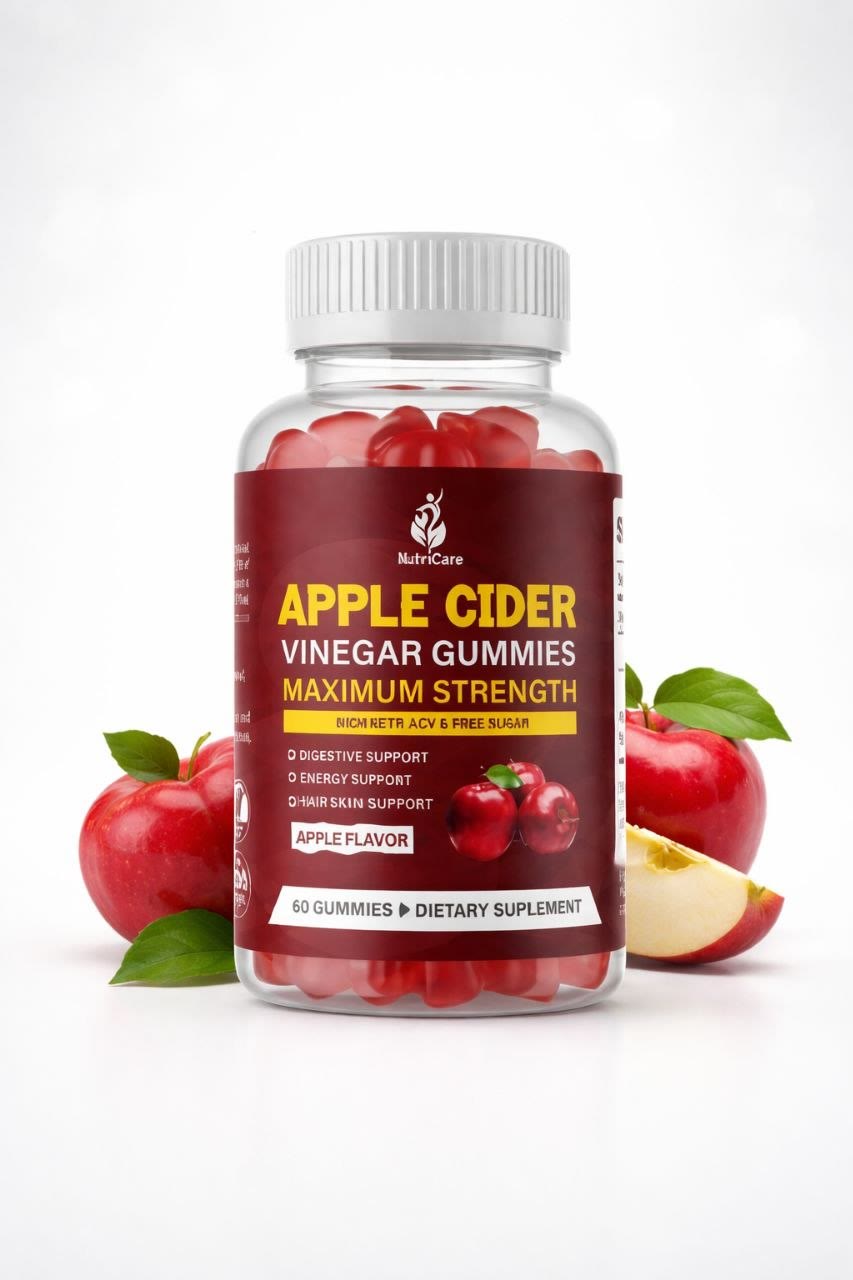
NutriCare Apple Cider Vinegar Gummies
Daily Wellness in Every Gummy — sugar-free, vegan, made in the USA. From $29.99.
See the gummies →