Does Creatine Cause Bloating?
Key Takeaways
- Creatine rarely causes true stomach bloating. When it does, it is usually tied to high loading doses, not normal daily use.
- Most of the "water weight" from creatine is intracellular — water pulled inside your muscle cells, which actually makes muscles look fuller, not puffy.
- The puffy, "soft" look people fear comes from subcutaneous water (under the skin) — and creatine primarily drives the opposite, intracellular kind.
- You can minimize any bloating by skipping the loading phase, taking a steady 3–5 g daily dose, and staying well hydrated.
- If you have ongoing digestive discomfort or a kidney condition, check with a healthcare provider before continuing.
Short answer: creatine rarely causes true bloating, and when it does it is usually from taking large loading doses. Most of the extra water creatine brings goes inside your muscle cells (intracellular), not under your skin — so it tends to make muscles look fuller rather than make you look puffy.
The word "bloating" gets used loosely, so let us separate the two things people actually mean: stomach/digestive bloating, and the appearance of holding water. Creatine behaves very differently for each.
Does creatine cause stomach bloating?
For most people, no. Standard daily creatine use (around 3–5 grams) very rarely causes digestive bloating. When stomach discomfort does happen, it is almost always linked to a high-dose "loading phase," where people take 20+ grams a day split into multiple servings.
Taking a large amount of creatine at once can pull water into the gut and cause temporary bloating, cramping, or loose stools in some people. The fix is simple: take smaller doses and spread them out, or skip loading entirely and use a steady daily dose instead.
What is creatine water retention, really?
Creatine does increase the water your body holds — but where that water goes matters enormously. There are two kinds, and they look completely different on your body.
| Intracellular water | Subcutaneous water | |
|---|---|---|
| Where it goes | Inside the muscle cells | Under the skin, around the body |
| How it looks | Fuller, firmer muscles | Soft, puffy, "smooth" look |
| Does creatine cause it? | Yes — this is the main effect | Not primarily |
| Is it a problem? | No — it is part of how creatine works | This is the look people fear |
Creatine is osmotically active, which means it draws water along with it into the muscle cells where it is stored. That is intracellular water retention, and it is actually a sign the creatine is doing its job — it is associated with the slightly fuller, harder muscle look, not a bloated one.
The puffy, soft appearance people dread is mostly subcutaneous water sitting under the skin, which is influenced far more by sodium, carbohydrates, and hormones than by creatine. Creatine primarily drives the intracellular kind.
How much weight do you gain from creatine water?
Many people see a small increase on the scale in the first week or two — often a pound or two of water. With a loading phase, that jump can be a bit faster and larger; with a steady daily dose, it is more gradual and usually less noticeable.
This is water inside your muscles, not fat. It typically stabilizes once your muscles are saturated. If you would rather avoid a sudden jump on the scale, skipping the loading phase is the easiest way — and it still gets you to the same place within a few weeks. We cover the trade-offs in our guide to the creatine loading phase.
How do you take creatine without bloating?
A few simple habits keep any bloating to a minimum:
- Skip or shorten the loading phase. A steady 3–5 g daily dose reaches full muscle saturation in a few weeks with far less chance of stomach upset than a 20 g loading protocol.
- Take it with food and water. Spreading creatine across the day and pairing it with a meal can reduce digestive discomfort.
- Stay hydrated. Drinking enough water supports how creatine pulls fluid into your muscles and helps you feel comfortable.
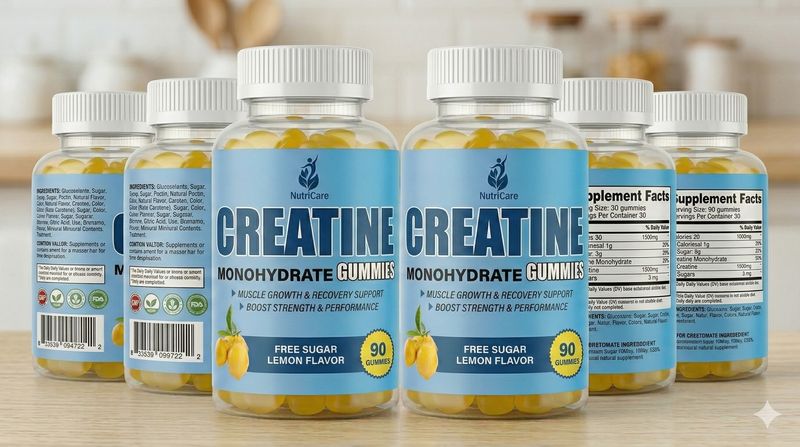
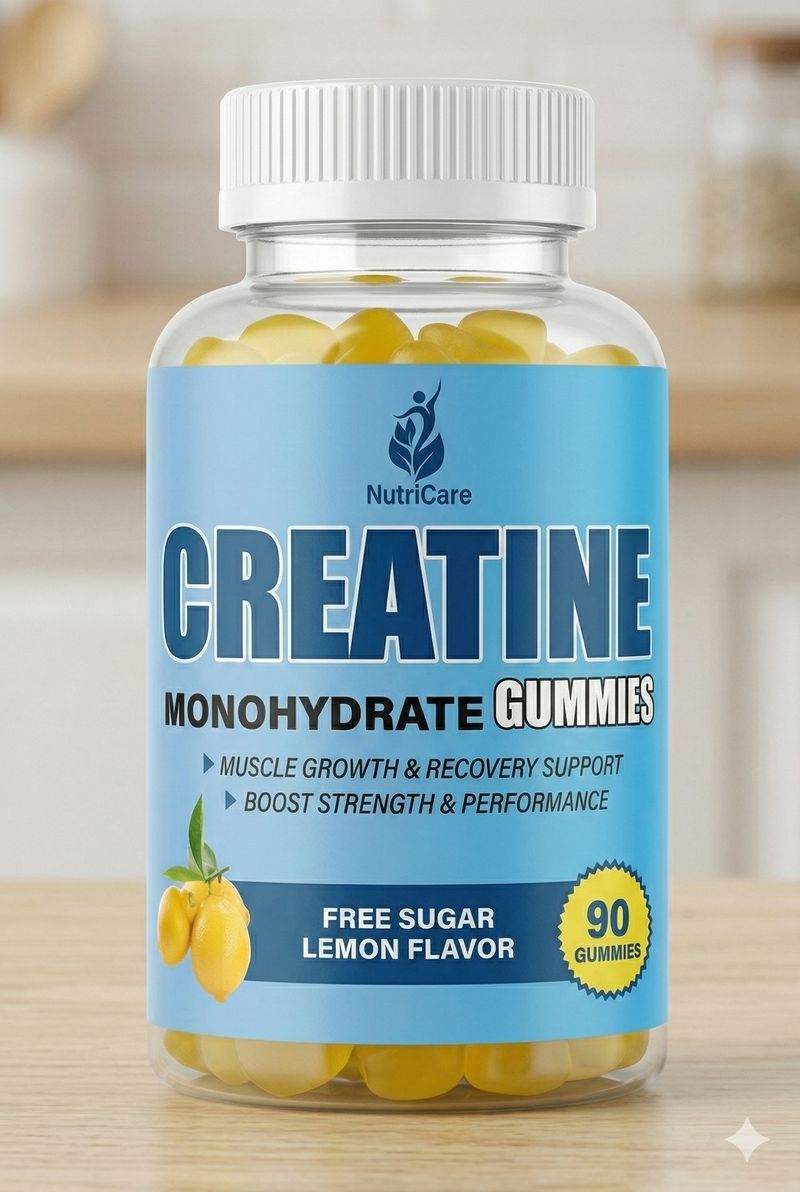
- Choose an easy-to-dose format. Gummies deliver a fixed amount per serving, so it is simple to stick to a modest daily dose instead of overdoing it. Our sugar-free creatine gummies make a steady 3–5 g routine effortless.
Is creatine water retention bad for you?
No. For healthy adults, the water creatine pulls into your muscles is harmless and part of how the supplement works. It does not mean you are "holding fat," and it does not damage your kidneys or heart in healthy people. Creatine is one of the most studied supplements in the world with a strong safety record.
That said, if you have a kidney condition, are pregnant or nursing, or experience persistent digestive discomfort, talk to a healthcare provider before continuing. And if bloating keeps bothering you, lowering the dose and skipping loading almost always resolves it.
The bottom line
Creatine does not usually cause true bloating, and the water it adds mostly goes inside your muscles — making them look fuller, not puffy. Skip the loading phase, take a steady 3–5 g daily, drink water, and any "bloat" tends to be minimal and temporary. For an easy, sugar-free way to keep the dose consistent, our vegan, USA-made creatine monohydrate gummies take the guesswork out of it.
NutriCare Creatine Monohydrate Gummies
The Delicious Way to Build Muscle — sugar-free, vegan, made in the USA. From $39.99.
See the gummies →