Free Shipping on Orders $75+  •  GMP Certified  •  Made in the USA
HomeBlogCreatine for Women Over 50: Why It Matters More Now
Women & Creatine

Creatine for Women Over 50: Why It Matters More Now

By PureNutri-Care Editorial Team Updated Jun 23, 2026 8 min read
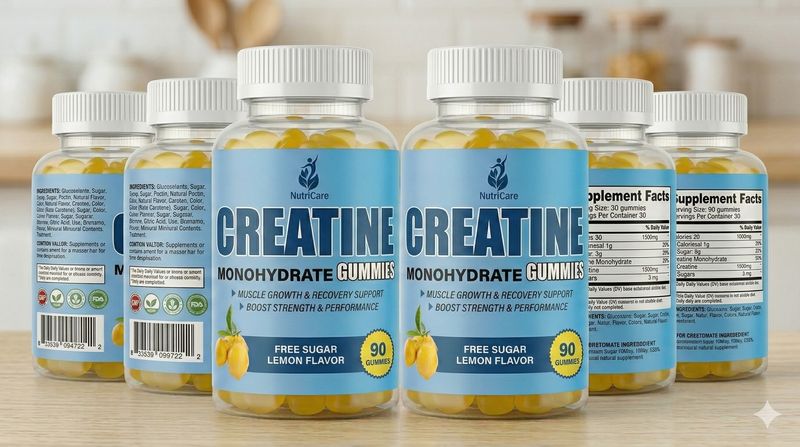
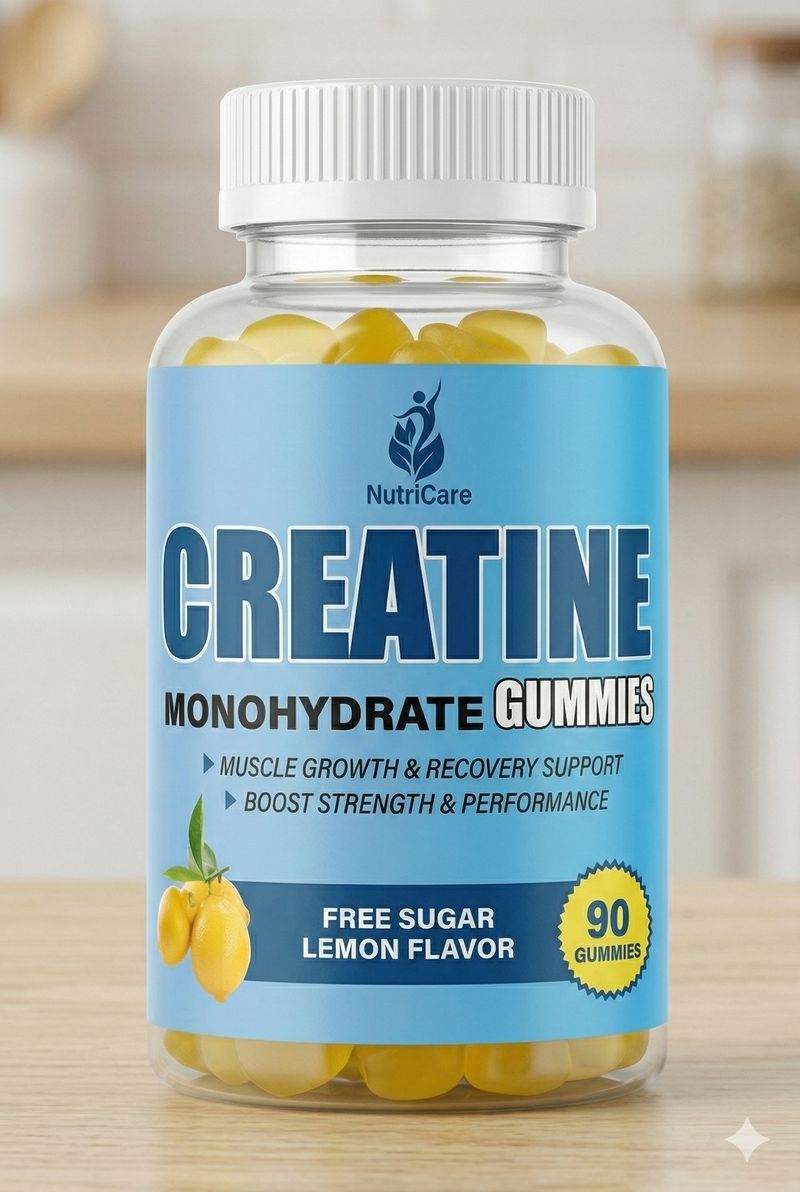
Sugar-free vegan creatine monohydrate gummies for women over 50

Key Takeaways

If you are a woman over 50 — or over 40 and thinking ahead — creatine deserves a serious look. This is not just a supplement for young athletes. For women navigating menopause and the natural changes of aging, creatine may be one of the most useful, evidence-backed tools available for staying strong, steady, and sharp.

Here is why it matters more now than ever, and how to use it with confidence.

Why does creatine matter more for women over 50?

After 40, and especially through menopause, women lose muscle and strength faster. Falling estrogen accelerates a process called sarcopenia — the gradual loss of muscle mass that affects strength, balance, metabolism, and independence. Bone density tends to decline at the same time.

Creatine helps you push back. Your muscles use it to produce energy, so supplementing — paired with regular strength training — helps you preserve and rebuild the muscle that protects your body as you age. It is a small daily habit with an outsized payoff for the years ahead.

What are the benefits of creatine for older women?

BenefitWhy it matters after 50
Muscle preservationHelps slow sarcopenia and keep you strong and capable.
Strength & powerMakes everyday tasks — stairs, groceries, grandkids — easier.
Bone supportStronger muscles load your bones during exercise, supporting bone health.
Brain & memoryYour brain uses creatine for energy; research links it to clarity and mood.
Balance & fallsMore muscle and strength support steadier movement and fewer stumbles.
RecoveryLess soreness so you can stay active and consistent.

Muscle and strength

This is the headline benefit. Studies in older adults consistently show that creatine combined with resistance training produces greater gains in muscle and strength than training alone. For a woman over 50, that can mean the difference between feeling frail and feeling capable. Our creatine monohydrate gummies make the daily habit simple to keep.

Bone health

Bone loss is a real concern after menopause. Creatine is not a bone supplement on its own, but by helping you build and keep stronger muscles, it increases the healthy mechanical load on your bones during exercise — and that load is one of the best stimuli for maintaining bone strength.

Brain and cognition

Your brain runs on the same creatine energy system your muscles use, and it may demand more support as you age or sleep less. Research has explored creatine for memory, mental clarity, and mood in older adults — making it a quiet ally for staying sharp, not just strong.

What about creatine for women over 40 and through menopause?

The case starts before 50. In your 40s and into perimenopause, building a strong "muscle bank" pays dividends later — the more muscle and strength you carry into menopause, the better you weather the hormonal dip. Starting creatine and strength training in your 40s is one of the smartest long-term investments in how you will feel at 60 and beyond. Our broader guide on creatine for women covers the full lifespan picture.

Is creatine safe for women over 50?

For healthy older women, yes. Creatine has a long, strong safety record and does not harm the kidneys or liver in healthy people. It is not a stimulant, so it will not disturb sleep. The most common effect — a little water held inside the muscle — is harmless.

That said, because medication use and health conditions become more common with age, it is worth a quick check with your doctor before starting if you have a kidney condition, take regular medication, or have other health concerns. For most healthy women over 50, creatine is a low-risk, high-value addition.

How should women over 50 take creatine?

For more detail, see our creatine gummies and the guide on how to take creatine gummies. And if the "bulky" worry crosses your mind, rest easy — we explain why creatine will not make women bulky.

What is sarcopenia, and how does creatine help?

Sarcopenia is the medical term for the age-related loss of muscle mass and strength. It tends to begin in your 30s and quietly accelerates after menopause, when declining estrogen removes some of the protection women previously enjoyed. Left unaddressed, it chips away at strength, metabolism, balance, and ultimately independence.

This is where creatine earns its place. By supplying your muscles with extra energy, it lets you train a little harder and recover a little better — and that improved training is what actually preserves and rebuilds muscle. Study after study in older adults shows that creatine plus resistance training beats training alone for muscle and strength gains. You are not just slowing the decline; you are actively pushing back against it.

Why estrogen makes this urgent

Estrogen plays a quiet role in maintaining muscle and bone. As it falls during and after menopause, the body becomes less efficient at holding onto both. That is why a strategy that worked passively in your 30s no longer keeps up in your 50s. Creatine and strength training give you an active, evidence-backed way to compensate for what hormones no longer do automatically.

How does creatine fit into everyday life after 50?

The benefits are not abstract — they show up in the moments that make up your day. Carrying groceries without straining. Climbing stairs without holding the rail. Getting up from the floor after playing with grandchildren. Catching yourself instead of falling when you trip. These are the dividends of preserved muscle and strength.

Everyday taskHow muscle & strength help
Climbing stairsStronger legs make each step easier and safer.
Carrying groceriesMore upper-body strength reduces strain and fatigue.
Standing from a chairPowerful legs keep this effortless as you age.
Staying steadyBetter strength and balance mean fewer stumbles and falls.

Creatine does not replace movement — it makes the movement you do count for more. Even two or three short strength sessions a week, supported by a daily creatine habit, can meaningfully change how capable you feel.

What about creatine and the brain after menopause?

The "brain fog" many women describe around menopause is real and frustrating. While creatine is not a cure for it, the brain relies on the same creatine energy system the muscles use — and that demand can rise when you are stressed, sleep-deprived, or aging. Research has examined creatine's role in memory, mental clarity, and mood, with especially encouraging signs in older adults and those who are sleep-deprived.

For a woman over 50 juggling a busy life on imperfect sleep, that potential cognitive support is a welcome bonus on top of the physical benefits. It is one more reason creatine is worth a daily place in your routine rather than a "someday" idea.

Making the habit stick

None of these benefits arrive without consistency, and consistency is where good intentions often fail. Powders feel like a chore — the measuring, the mixing, the gritty texture. Gummies remove that barrier entirely. A sugar-free, vegan gummy you simply chew each day is far easier to keep up for months and years, which is exactly the timeframe these benefits require. That is the thinking behind our creatine monohydrate gummies.

The bottom line

For women over 50 — and those planning ahead in their 40s — creatine is a simple, safe, well-researched way to protect muscle, support bone and brain, and stay strong through menopause and beyond. It is one of your best defenses against sarcopenia, and it pays off in the everyday moments that keep you independent and confident. Pair 3–5 grams a day with regular strength training, stay consistent, and give your future self the gift of capability. It is never too late to get stronger.

NutriCare Creatine Monohydrate Gummies

The Delicious Way to Build Muscle — sugar-free, vegan, made in the USA. From $39.99.

See the gummies →

Frequently Asked Questions

Is creatine good for women over 50?
Yes. Creatine helps women over 50 preserve muscle and strength, supports bone health through training, and may benefit brain function. It is one of the most practical tools against age-related muscle loss when paired with resistance training.
Can creatine help with menopause symptoms?
Creatine is not a hormone treatment, but it helps counter the muscle and strength loss that accelerate during menopause. Combined with strength training, it supports staying strong, steady, and energetic through the transition.
Is creatine safe for older women?
For healthy older women, creatine has a strong safety record and does not harm the kidneys or liver in healthy people. Because medications and health conditions are more common with age, check with your doctor first if you have any concerns.
How much creatine should a woman over 50 take?
About 3–5 grams of creatine monohydrate per day, taken consistently. A loading phase is not necessary; daily use saturates your muscles within a few weeks.
Does creatine help with bone health and sarcopenia?
Creatine, paired with resistance training, helps preserve muscle and fight sarcopenia (age-related muscle loss). Stronger muscles also load the bones during exercise, which supports bone health.

Sources & Further Reading

Disclaimer: This article is for general informational purposes only and is not medical advice. Dietary supplements are not intended to diagnose, treat, cure, or prevent any disease. Consult a qualified healthcare provider before starting any supplement, especially if you are pregnant, nursing, taking medication, or have a medical condition.