Apple Cider Vinegar for Acne and Clear Skin
Key Takeaways
- The evidence that apple cider vinegar (ACV) clears acne is thin and mostly anecdotal — it is not a proven acne treatment.
- Putting ACV on your skin as a DIY toner can burn or irritate it; chemical burns from undiluted vinegar are a real, documented risk.
- If you want ACV in your routine, ingesting a measured gummy is safer than experimenting with homemade toners on your face.
- Clear skin comes from overall habits — sleep, balanced eating, gentle skincare, and dermatologist-backed treatments — not from a vinegar shortcut.
Apple cider vinegar has a reputation as a do-it-all natural fix, and clear skin is one of the boldest promises attached to it. The pitch: dab diluted ACV on your face and watch acne fade. The honest reality is far less impressive — the evidence is weak, and the most common DIY method carries a genuine risk of burning your skin.
Here is what is actually known, why the toner trend is risky, and a calmer way to think about ACV and your skin.
Does apple cider vinegar clear acne?
There is no solid scientific evidence that apple cider vinegar clears acne. The theory rests on the fact that acetic acid and other compounds in vinegar have some antibacterial properties in a lab setting. But "kills some bacteria in a dish" is a long way from "safely treats acne on human skin," and well-designed studies showing ACV improves acne simply do not exist. What circulates online is anecdote, not proof.
So the truthful answer is: ACV is not a reliable acne treatment, and it should not replace approaches that actually have evidence behind them.
Can apple cider vinegar damage your skin?
Yes — and this is the most important warning. Apple cider vinegar is acidic, and applying it to skin, especially undiluted, can cause irritation, redness, stinging, and in some cases chemical burns. There are documented reports of people burning their skin with DIY vinegar treatments, particularly when leaving it on too long or using it at full strength.
The skin on your face is delicate. Stripping it with an acid can damage its protective barrier, which can make irritation and breakouts worse, not better. The "natural" label does not make it gentle.
The DIY toner trend, honestly
| The claim | The reality |
|---|---|
| ACV kills acne-causing bacteria | Antibacterial in a lab; not shown to safely treat acne on skin |
| It balances skin pH | Healthy skin manages its own pH; harsh acids can disrupt the barrier |
| It's a cheap natural toner | Cheap, but can cause irritation or chemical burns |
| Dilute it and it's safe | Dilution lowers but does not remove the risk, and sensitivity varies |
A safer way to include ACV
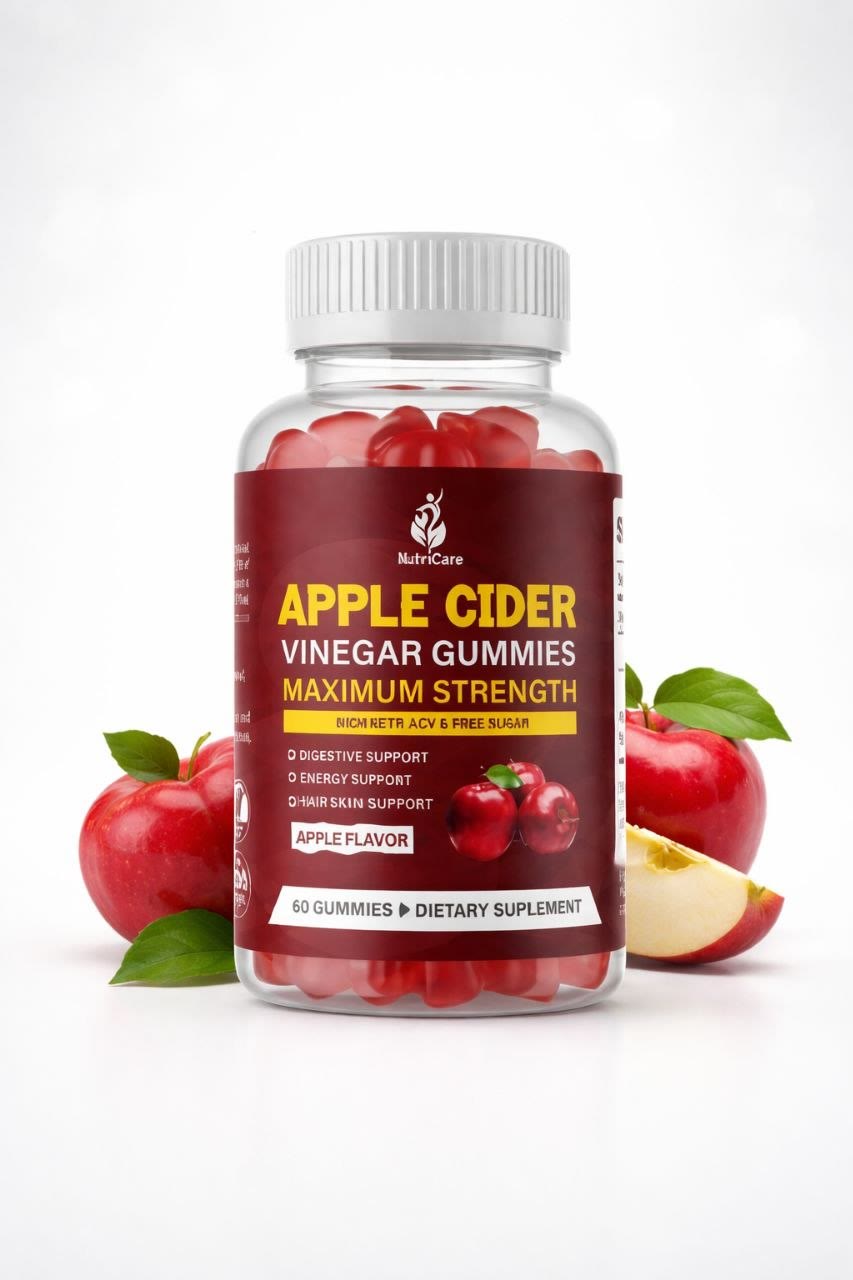
If you like the idea of apple cider vinegar as part of your wellness routine, the safest path is simple: take it internally in a controlled amount rather than improvising acidic mixtures on your face. A pre-measured gummy gives you a fixed, modest amount of ACV with no risk of skin burns, no stinging, and no guesswork about dilution. Our apple cider vinegar gummies are sugar-free, vegan, and made in the USA.
To be clear, this is not a claim that swallowing ACV clears acne — it doesn't have evidence for that either. It is simply the difference between a low-risk way to take ACV and a genuinely risky one. If you are drawn to ACV, a gummy lets you include it without dripping acid onto your skin.
Reframing the goal: overall skin wellness
Clear skin is mostly the byproduct of consistent, unglamorous habits. The things with real evidence behind them include:
- Gentle, consistent skincare — cleanse without over-stripping, moisturize, and use sunscreen.
- Sleep and stress management — both genuinely influence breakouts.
- A balanced diet and hydration — supporting your skin from the inside, where a sugar-free ACV gummy can sit comfortably as part of a low-sugar routine.
- Dermatologist-backed treatments — for persistent or cystic acne, proven actives and prescriptions far outperform any home remedy.
When to see a dermatologist
If you have persistent, painful, or scarring acne, see a dermatologist rather than chasing home remedies. Treatments with strong evidence — like benzoyl peroxide, retinoids, and prescription options — work in ways vinegar never will, and a professional can match the right approach to your skin without the trial-and-error risk of burning yourself.
The bottom line
Apple cider vinegar is not a proven acne treatment, and applying it to your skin can irritate or even burn it. If you want ACV in your life, a pre-measured, sugar-free gummy is a far safer choice than a DIY toner — though it is not a skin cure either. For clear skin, lean on gentle daily habits and dermatologist-backed care, and treat ACV as a small piece of overall wellness rather than a fix for acne.
NutriCare Apple Cider Vinegar Gummies
Daily Wellness in Every Gummy — sugar-free, vegan, made in the USA. From $29.99.
See the gummies →