Does Apple Cider Vinegar Give You Energy?
Key Takeaways
- Apple cider vinegar is not a stimulant — it contains no caffeine and does not directly "boost" energy.
- Any energy benefit is indirect: by modestly steadying post-meal blood sugar, ACV may help some people avoid the slump after a carb-heavy meal.
- The evidence here is mixed and modest, and the effect is individual — do not expect a noticeable lift.
- If a gummy includes B-vitamins, those play a real role in normal energy metabolism — but check the label, since not every ACV gummy contains them.
- For reliable energy, sleep, food, hydration, and movement matter far more than any supplement.
"Does apple cider vinegar give you energy?" is a popular search, and the honest answer up front is: not directly. ACV is not a stimulant — there is no caffeine in it and nothing that revs you up. If it helps your energy at all, the mechanism is indirect and modest, and it will not feel like a coffee. Here is the realistic picture, including where added B-vitamins genuinely fit and where they do not.
Does apple cider vinegar directly boost energy?
No. There is no ingredient in apple cider vinegar that acts as an energy stimulant. Anyone describing ACV as an "energy booster" in the way caffeine or a pre-workout is, is overstating it. So if you are looking for a noticeable, fast pick-me-up, ACV is the wrong product.
What ACV might do is more subtle, and it depends entirely on how your body responds.
How could ACV affect energy at all?
The plausible link runs through blood sugar. Some small studies suggest that vinegar taken with a carbohydrate-containing meal may modestly blunt the post-meal blood-sugar spike. A gentler rise can mean a gentler fall — and that post-meal crash is what many people experience as an afternoon energy slump.
So the realistic claim is: by helping smooth out post-meal blood sugar a little, ACV may help some people avoid a dip in energy after eating. That is very different from "ACV gives you energy." The evidence is mixed, the effect is small, and it is individual — some people may notice steadier afternoons, many will notice nothing.
| Claim | Reality |
|---|---|
| "ACV is an energy booster" | No — it is not a stimulant |
| "ACV directly raises energy levels" | No direct mechanism |
| "ACV may steady post-meal blood sugar" | Possibly, modestly — mixed evidence |
| "Steadier blood sugar may reduce energy dips" | Plausible for some people; individual |
What about B-vitamins in ACV gummies?
This is where there is a more concrete, evidence-backed angle — but only if your gummy actually contains them. B-vitamins (such as B12 and B6) play a genuine, well-established role in normal energy metabolism — they help your body convert food into usable energy. So an ACV gummy that also includes B-vitamins can offer real nutritional support for energy metabolism that the vinegar alone does not.
Two honest caveats:
- Not every ACV gummy contains B-vitamins. Check the label before assuming yours does.
- B-vitamins support energy metabolism; they are not stimulants either. If you are not deficient, adding them may not produce a noticeable lift. They support normal function rather than supercharging it.
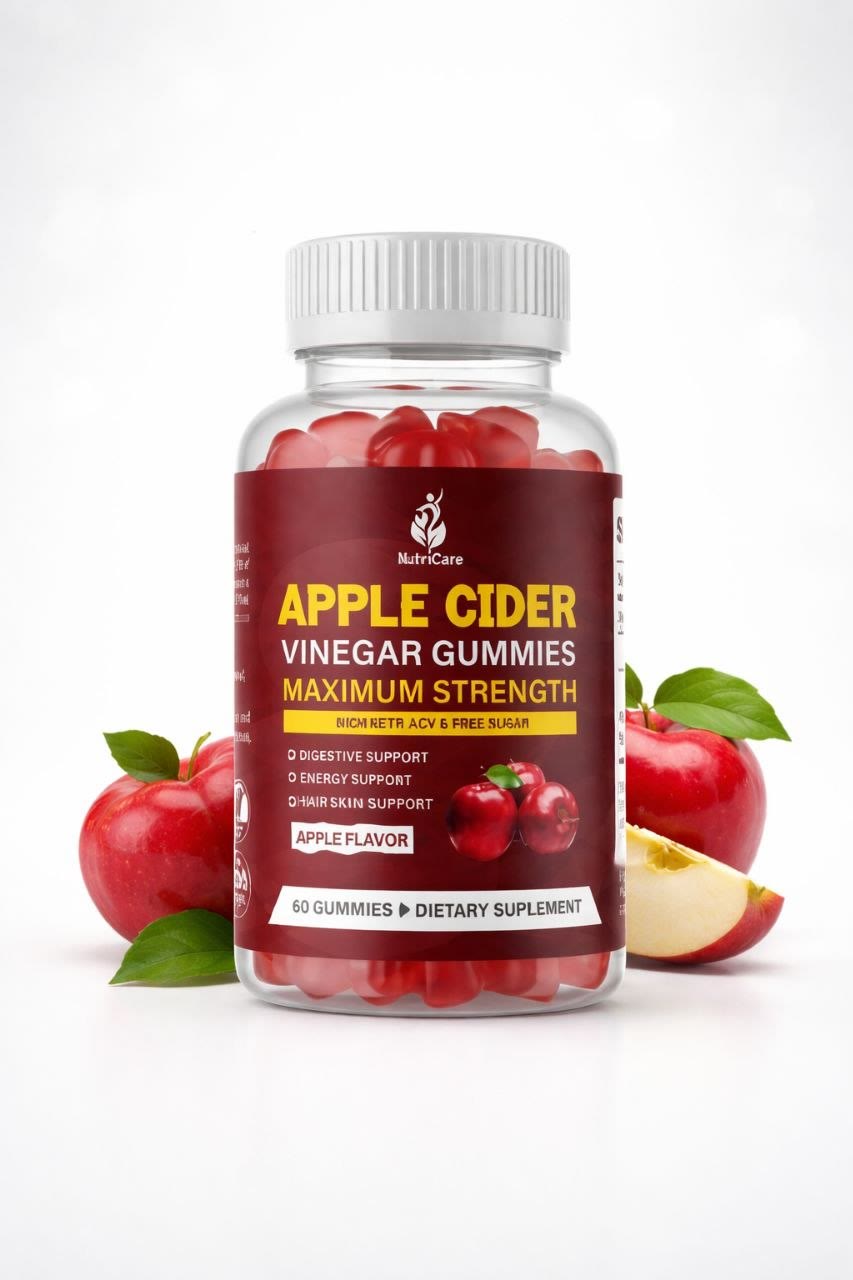
If our ACV gummies include added B-vitamins, that support comes from those vitamins, not from the apple cider vinegar — and we would point to the supplement facts panel rather than make a vague "energy" promise. You can check the current formula on our apple cider vinegar gummies page.
How to actually feel more energetic
It is worth being honest that the things which reliably affect energy are not supplements:
- Sleep. The single biggest lever, and no gummy replaces it.
- Balanced meals. Pairing carbs with protein and fiber smooths blood sugar far more than vinegar does.
- Hydration. Mild dehydration commonly shows up as fatigue.
- Movement. Regular activity improves energy over time.
A daily ACV gummy (or ACV-plus-B-vitamin gummy) can sit alongside those basics as a small supporting habit. It is not a substitute for them.
Why people confuse ACV with an energy boost
There are a few honest reasons ACV picked up an "energy" reputation it does not quite earn:
The tangy-jolt effect
A sharp, sour taste can feel briefly invigorating — the same way a splash of cold water or a strong mint does. That sensory hit is real, but it is not metabolic energy and it fades in seconds. It is easy to mistake "that woke up my mouth" for "that gave me energy."
The routine effect
People who add an ACV gummy to their day often tighten up other habits at the same time — eating a bit more mindfully, drinking more water, paying attention to how meals affect them. Those changes can genuinely lift energy, but the credit belongs to the routine, not the vinegar. It is worth separating the two so you know what is actually helping.
The blood-sugar story, retold loosely
The legitimate, modest blood-sugar angle often gets stretched online into "ACV gives you energy," dropping all the qualifiers. The careful version — may modestly steady post-meal blood sugar, which may help some people avoid a slump — is far less exciting and far more accurate.
How to test it honestly for yourself
Because any effect is subtle and personal, the only way to know if ACV helps your energy is a fair, low-stakes trial:
- Take it before a carb-containing meal — typically lunch, the meal most associated with an afternoon dip. See when to take ACV gummies.
- Hold everything else steady for a couple of weeks — same sleep, same meals, same caffeine — so any change is attributable.
- Note your afternoon energy in a sentence or two each day. Patterns are easier to read written down than remembered.
- Judge it at two to four weeks. A subtle, consistent improvement is a reasonable yes. Nothing noticeable is an equally valid no.
Keep expectations modest throughout: the realistic best case is a gentle smoothing of post-meal slumps, not a surge you can feel.
Should you rely on ACV for energy?
No — and that is the most useful takeaway. If your energy is genuinely low, the smart move is to look at the big levers first: are you sleeping enough, eating balanced meals, drinking enough water, and moving regularly? Persistent fatigue can also have medical causes — low iron, thyroid issues, sleep apnea, and others — that no supplement addresses. If tiredness is significant or ongoing, that is a conversation for your doctor, not a job for a gummy.
Where ACV (and a B-vitamin blend, if your gummy includes one) fits is at the margins: a small, optional supporting habit once the basics are in place. Treated that way, it cannot disappoint you, because you were never asking it to do the heavy lifting. Treated as an energy fix, it almost certainly will disappoint — which is exactly why honest expectations matter so much with this particular claim.
The bottom line
Does apple cider vinegar give you energy? Not directly — it is not a stimulant. Its only plausible energy link is indirect: modestly steadier post-meal blood sugar that may help some people dodge an after-meal slump, on mixed and modest evidence. If a gummy adds B-vitamins, those provide real support for normal energy metabolism — but check the label, and remember that sleep, food, water, and movement do the heavy lifting.
NutriCare Apple Cider Vinegar Gummies
Daily Wellness in Every Gummy — sugar-free, vegan, made in the USA. From $29.99.
See the gummies →