Free Shipping on Orders $75+  •  GMP Certified  •  Made in the USA
HomeBlogApple Cider Vinegar for Constipation: An Honest Look
Digestion

Apple Cider Vinegar for Constipation: An Honest Look

By PureNutri-Care Editorial Team Updated Jun 23, 2026 7 min read
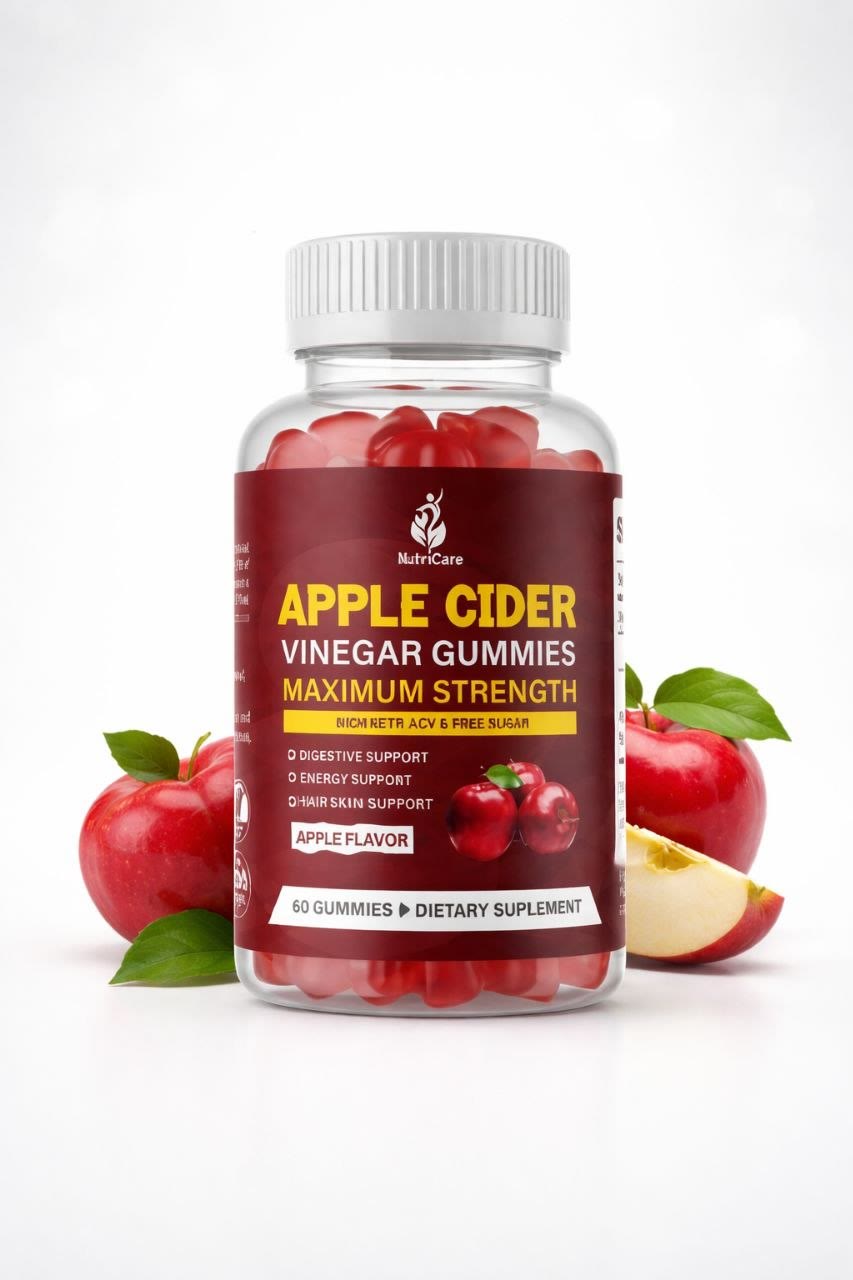
Apple cider vinegar gummies as part of a daily digestive wellness routine

Key Takeaways

Apple cider vinegar gets recommended for almost every digestive complaint online, and constipation is no exception. So let us be straight about it: the evidence that ACV relieves constipation is weak. It might fit into a broader digestive routine for some people, but it is not a proven laxative, and the most-repeated explanation for why it should work does not hold up well under scrutiny.

Here is the honest picture, plus the things that genuinely do help.

Does apple cider vinegar make you poop?

There is no strong clinical evidence that apple cider vinegar reliably makes you poop. You will find plenty of anecdotes online — some people swear a daily ACV habit keeps them regular — but anecdotes are not the same as proof, and for every person who reports an effect there is another who notices nothing. If ACV does anything here, it is mild, individual, and unverified.

So if you are looking for something to dependably get things moving, ACV is not the right tool. It is fairer to think of it as a general wellness habit that might sit alongside good digestive routines, not as a remedy that triggers a bowel movement.

What about the pectin claim?

The most common argument goes like this: apples contain pectin, a soluble fiber that supports regularity, therefore apple cider vinegar should help constipation. The problem is that the vinegar-making process leaves little to no meaningful pectin in apple cider vinegar. The fiber is in the whole apple, not the strained, fermented liquid.

In other words, the pectin explanation is mostly theoretical and does not survive contact with what is actually in the bottle. We mention it because you will see it everywhere — but it is not a reliable reason to expect relief.

What actually helps with constipation?

The well-evidenced basics are unglamorous but they work far more reliably than any vinegar:

ApproachWhy it helpsEvidence
More fiberAdds bulk and softness to stool (fruits, vegetables, whole grains, legumes)Strong
More fluidsHelps fiber do its job; hard, dry stool is harder to passStrong
Physical activityMovement supports normal bowel motilityGood
A regular routineNot rushing, and responding to the urge to goGood
Apple cider vinegarTheoretical at bestWeak

If you only change one thing, increase fiber and water together — that pairing does more for regularity than any supplement on its own.

Can ACV still fit a digestive routine?

It can, as long as you set expectations honestly. Some people take an ACV gummy before meals as part of a general digestive-comfort habit, and they like it. That is fine. Just do not load it with constipation-curing expectations it cannot meet. If you do try it for this reason, give it a couple of weeks alongside — not instead of — fiber, fluids, and movement, and judge the combined routine rather than the vinegar alone.

If you prefer a low-sugar way to keep a daily ACV habit, our apple cider vinegar gummies are sugar-free, vegan, and made with the mother. We are clear about what they are: a convenient daily wellness gummy, not a laxative.

Why does ACV get recommended for constipation at all?

It is worth understanding where the reputation comes from, so you can weigh it fairly:

The "apple" association

Apples are a genuinely good source of fiber and the soluble fiber pectin, both helpful for regularity. The word "apple" in apple cider vinegar invites people to assume the vinegar carries those benefits. It largely does not — the fiber stays in the fruit, not the fermented, strained liquid.

The "acid helps digestion" idea

Another line of reasoning is that adding acid before a meal supports digestion generally, which might indirectly help things move along. This is plausible-sounding but not well demonstrated for constipation specifically, so it stays in the "weak/theoretical" tier.

Anecdote loops

Once a remedy is popular, positive anecdotes get repeated and amplified while "it did nothing for me" rarely gets posted. That creates an impression of effectiveness that the actual evidence does not match. Healthy skepticism is reasonable here.

A simple, evidence-based routine for regularity

If you want a plan that is actually likely to help, build it around the things with real support and let ACV be optional:

  1. Increase fiber gradually. Add fruits, vegetables, whole grains, and legumes over a week or two rather than all at once, which helps avoid gas and bloating.
  2. Drink more water alongside the fiber. Fiber needs fluid to soften stool; more fiber with too little water can backfire.
  3. Move daily. Even a regular walk supports normal bowel motility.
  4. Keep a consistent routine and do not ignore the urge to go.
  5. If you like ACV, add it on top — a low-sugar option like our apple cider vinegar gummies works as a wellness habit, not as the fix.

Give a routine like this a couple of weeks before judging it, and change one variable at a time so you can tell what is helping.

How to use ACV sensibly if you want to try it

When to see a doctor

Do not self-treat persistent or worrying constipation with vinegar. Talk to a healthcare provider if your constipation is severe, lasts more than a couple of weeks, or comes with abdominal pain, blood in the stool, unexplained weight loss, or a sudden change in bowel habits. These can signal something that needs proper evaluation, and ACV is not the answer.

What about other "natural" constipation remedies?

ACV is just one of many home remedies that circulate for constipation, and it helps to know where it sits among them. Prunes and prune juice, for instance, have genuinely better support — they contain both fiber and sorbitol, a compound that draws water into the gut. Warm fluids in the morning, kiwifruit, and adequate magnesium from a balanced diet also tend to fare better in the evidence than vinegar does. None of these is a substitute for the fiber-fluids-movement foundation, but if you are going to reach for a "natural" helper, several options have more behind them than apple cider vinegar.

The broader point is to be wary of any single ingredient marketed as the answer. Regularity is mostly about the overall pattern of your diet and activity, not one item you add on top. ACV can sit in that pattern as a habit you enjoy, but it should not crowd out the basics that actually do the work.

The bottom line

Apple cider vinegar is not a proven treatment for constipation, and the pectin rationale you see repeated online does not really apply to the vinegar itself. The reliable fixes are fiber, fluids, and movement. ACV can be part of a general daily routine if you enjoy it, but treat it as a wellness habit — not a laxative — and see a doctor for anything severe or persistent.

NutriCare Apple Cider Vinegar Gummies

Daily Wellness in Every Gummy — sugar-free, vegan, made in the USA. From $29.99.

See the gummies →

Frequently Asked Questions

Does apple cider vinegar make you poop?
There is no strong clinical evidence that apple cider vinegar reliably makes you poop. Some people report an effect, but it is individual and unverified. For constipation, fiber, fluids, and movement are far more reliable.
Is the pectin in apple cider vinegar good for constipation?
The pectin claim is largely theoretical. Pectin is a soluble fiber found in whole apples, but the vinegar-making process leaves little to no meaningful pectin in apple cider vinegar. So it is not a reliable reason to expect relief.
What actually relieves constipation?
The well-evidenced basics are increasing dietary fiber, drinking more fluids, staying physically active, and keeping a regular bathroom routine. These help far more reliably than apple cider vinegar.
Can I take ACV gummies for digestion?
Some people include an ACV gummy before meals as part of a general digestive-comfort routine, and that is fine if expectations are realistic. Just treat it as a daily wellness habit, not a laxative, and pair it with fiber and water.
When should I see a doctor about constipation?
See a healthcare provider if constipation is severe, lasts more than a couple of weeks, or comes with abdominal pain, blood in the stool, unexplained weight loss, or a sudden change in bowel habits. Do not rely on apple cider vinegar for these situations.

Sources & Further Reading

Disclaimer: This article is for general informational purposes only and is not medical advice. Dietary supplements are not intended to diagnose, treat, cure, or prevent any disease. Consult a qualified healthcare provider before starting any supplement, especially if you are pregnant, nursing, taking medication, or have a medical condition.