Apple Cider Vinegar for Acid Reflux and Heartburn
Key Takeaways
- There is no strong scientific evidence that apple cider vinegar (ACV) relieves acid reflux or heartburn — most claims are anecdotal.
- Because ACV is acidic, it can worsen reflux for some people and irritate an already-inflamed esophagus.
- If you want to try ACV anyway, a pre-measured gummy is gentler than a straight liquid shot — but it is not a treatment for reflux.
- Persistent or frequent heartburn deserves a doctor's evaluation, not a vinegar experiment — untreated reflux can damage the esophagus.
Search "natural heartburn remedy" and apple cider vinegar shows up almost immediately. The theory goes that reflux is caused by too little stomach acid, so adding acid with ACV should fix it. It is a tidy story — but the honest answer is more complicated, and for some people ACV makes reflux worse, not better.
Here is what the evidence actually supports, where ACV might fit, and who should steer clear.
Does apple cider vinegar help acid reflux?
There is no strong evidence that apple cider vinegar relieves acid reflux or heartburn. The popular "low stomach acid" theory is largely unproven, and the few studies that exist are small, low-quality, or inconclusive. Most of the support for ACV and reflux is anecdotal — people who felt better — which is not the same as a demonstrated effect.
So if you came here hoping ACV is a proven heartburn cure, the truthful answer is: it isn't. It may do nothing, and for a meaningful number of people it can make symptoms worse.
Can apple cider vinegar make reflux worse?
Yes. This is the part most "ACV cures heartburn" articles skip. Apple cider vinegar is acidic, and when you already have an irritated or inflamed esophagus, adding more acid can trigger or intensify the burning sensation. Drinking undiluted vinegar can also irritate the throat and the lining of the esophagus directly.
If you have been diagnosed with GERD (gastroesophageal reflux disease), a hiatal hernia, or an ulcer, ACV is more likely to aggravate things than to soothe them. In those cases, it is best avoided unless your doctor says otherwise.
Why people think ACV helps
| The claim | The reality |
|---|---|
| Reflux is caused by low stomach acid | This theory is largely unproven; most reflux is a mechanical issue with the valve at the top of the stomach |
| Adding acid "rebalances" digestion | No reliable human trials show ACV corrects reflux |
| It worked for someone online | Anecdotes are not evidence; placebo and natural symptom variation are common |
| It's natural, so it's safe for reflux | Natural acids can still irritate an inflamed esophagus |
If you still want to try ACV, do it carefully
Some people without serious reflux experiment with ACV and tolerate it fine. If that is you, a few sensible rules reduce the risks:
- Never drink it straight. Undiluted vinegar can burn the throat and esophagus and erode tooth enamel.
- Take it with or before food, not on a raw, empty, already-irritated stomach.
- Start small and stop immediately if your heartburn gets worse — that is your body telling you it is not working for you.
- Skip it entirely if you have diagnosed GERD, an ulcer, or a hiatal hernia, unless your doctor approves.
Where a gummy fits in
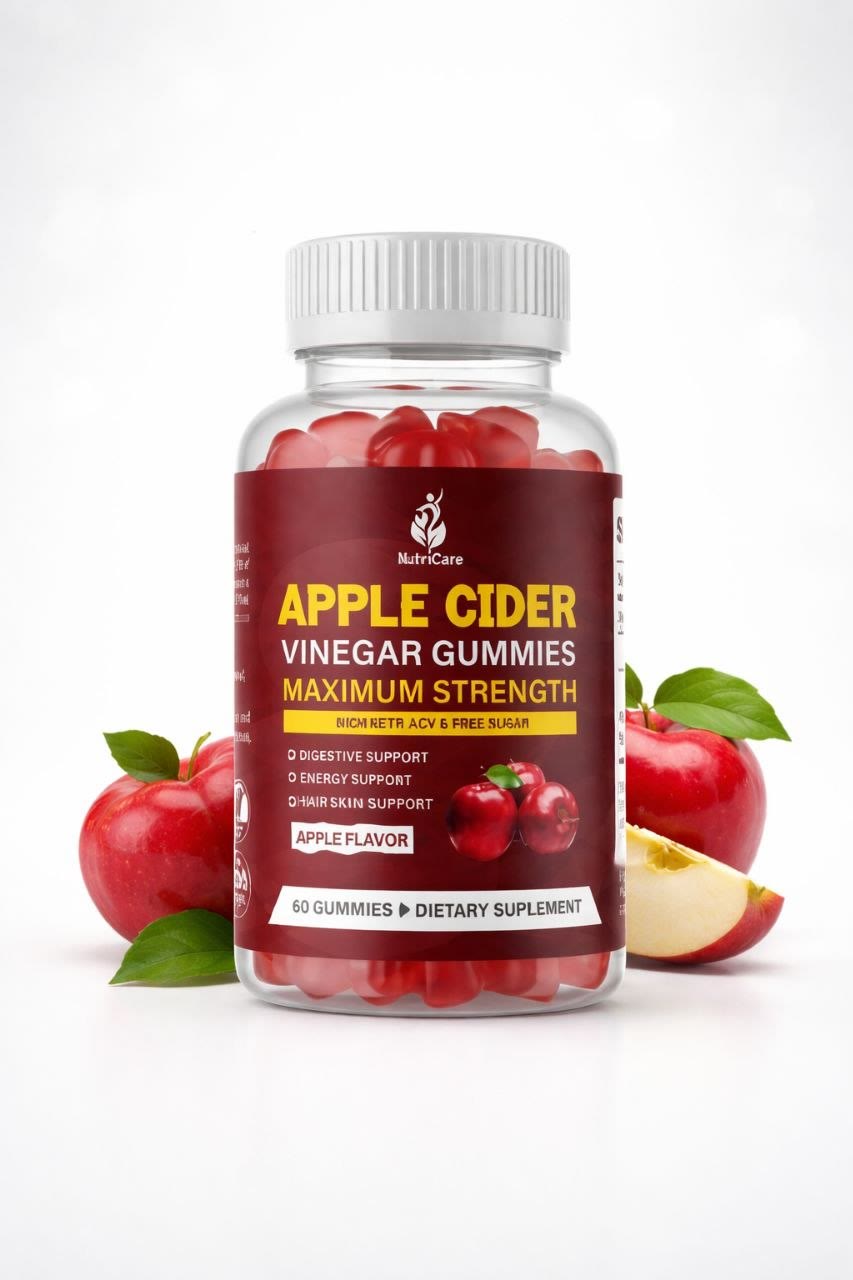
If you have decided to include ACV in your routine for general wellness reasons — not as a reflux treatment — a pre-measured gummy is gentler on the throat and esophagus than tossing back a liquid shot of vinegar. A gummy delivers a fixed, modest amount of apple cider vinegar without the concentrated acidic splash that liquid produces, and it does not bathe your teeth in acid the way sipping diluted vinegar does. Our apple cider vinegar gummies are sugar-free, vegan, and made in the USA.
To be clear: this is about being the least-irritating way to take ACV, not a claim that ACV fixes reflux. If you are prone to heartburn, even a gummy may not agree with you — pay attention to how you feel and stop if symptoms flare.
What actually helps with reflux
The boring answers are the ones with real evidence behind them: eating smaller meals, avoiding lying down for two to three hours after eating, limiting common triggers (fried food, alcohol, caffeine, large late meals), raising the head of your bed, losing excess weight if relevant, and using doctor-recommended treatments when needed. None of these are as exciting as a "natural cure," but they work.
When to see a doctor
Occasional heartburn is common. But you should talk to a healthcare provider if you have heartburn more than twice a week, trouble swallowing, persistent symptoms despite changes, unexplained weight loss, or chest pain. Frequent untreated reflux can damage the esophagus over time, so it is not something to self-treat indefinitely with vinegar.
The bottom line
Apple cider vinegar is not a proven remedy for acid reflux or heartburn, and because it is acidic it can make symptoms worse for some people. If you take ACV for general wellness, a pre-measured, sugar-free gummy is a gentler delivery method than a liquid shot — but it is not a reflux treatment. For frequent or severe heartburn, see a doctor rather than relying on vinegar.
NutriCare Apple Cider Vinegar Gummies
Daily Wellness in Every Gummy — sugar-free, vegan, made in the USA. From $29.99.
See the gummies →